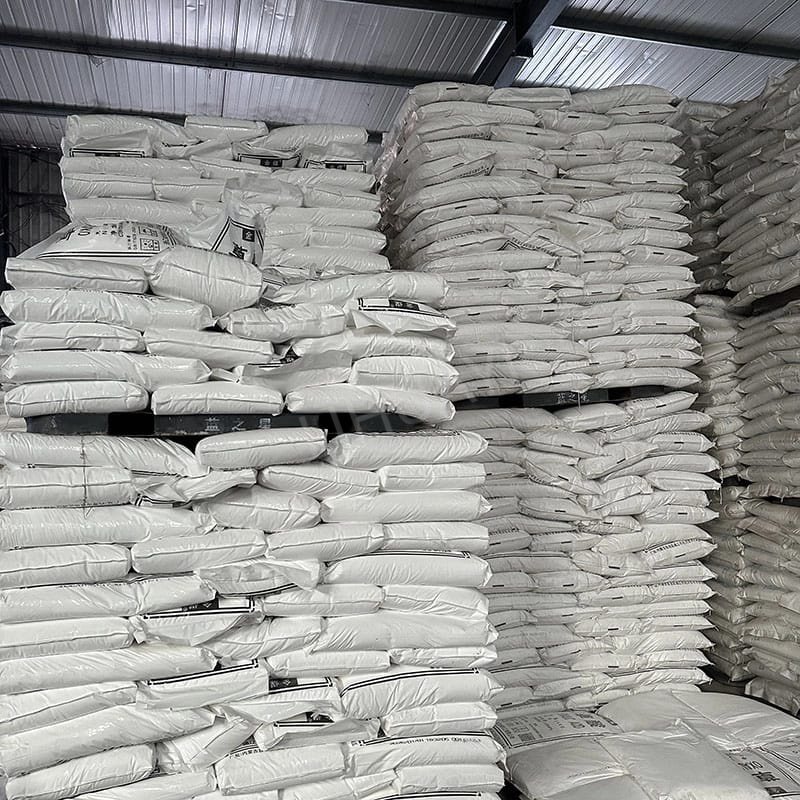
Good Solubility in Multiple Solvents: It is readily soluble in water, ethanol, propylene glycol, and ethyl acetate, ensuring versatile formulation compatibility.
Moderate Thermal Stability: The compound has a defined melting point range of 122–130°C, indicating stable physical properties.
Limited Oil and Organic Solvent Solubility: It is only slightly soluble in oil and sparingly soluble in solvents such as chloroform and acetone, supporting controlled application behavior.
High Applicability in Formulations: Its balanced solubility profile makes it suitable for use in antibacterial and related chemical formulations.
Quality Assurance
Rigorous quality control and full regulatory compliance assured.
Sustainable Development
Sustainable processes cut waste, lower emissions, and save costs.
Specialty Solutions
Tailored fine chemicals that enhance efficiency and outcomes.
Chemical Manufacturer
A trusted manufacturer capable of stable, high-volume production and supply.

ABOUT THE PRODUCT
Product Description
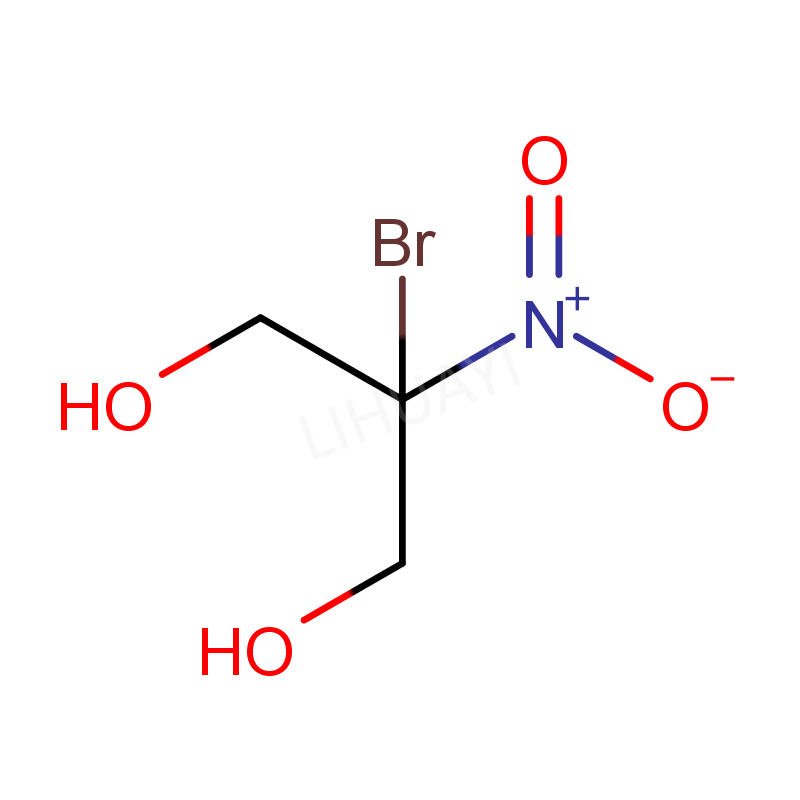
Product Description-2-Bromo-2-nitro-1,3-propanediol CAS#52-51-7
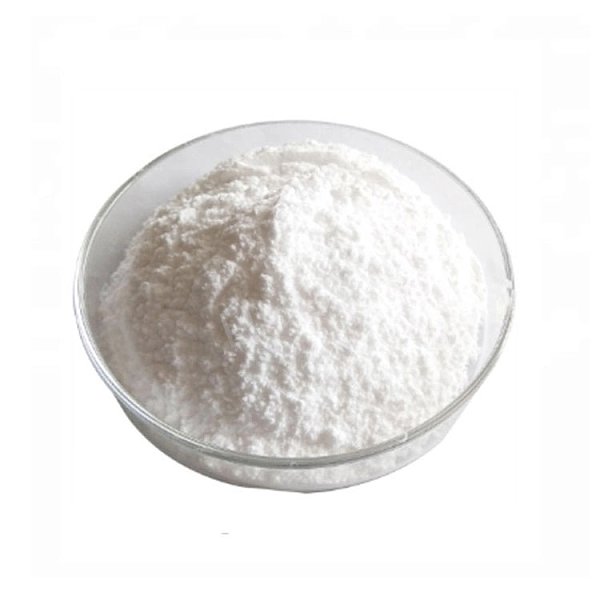
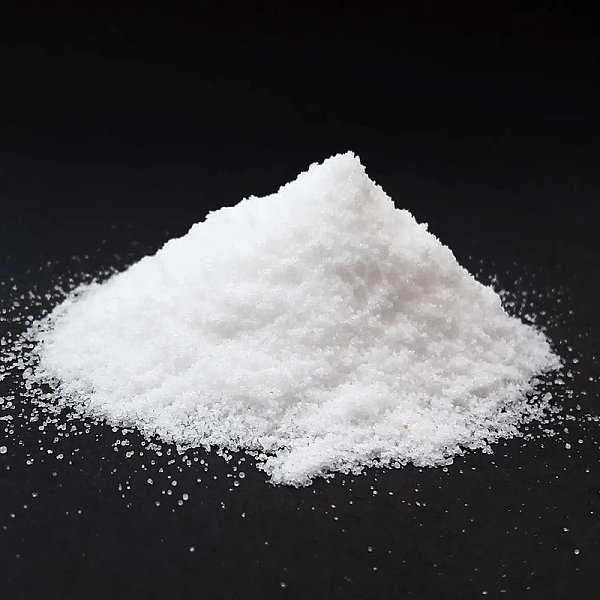
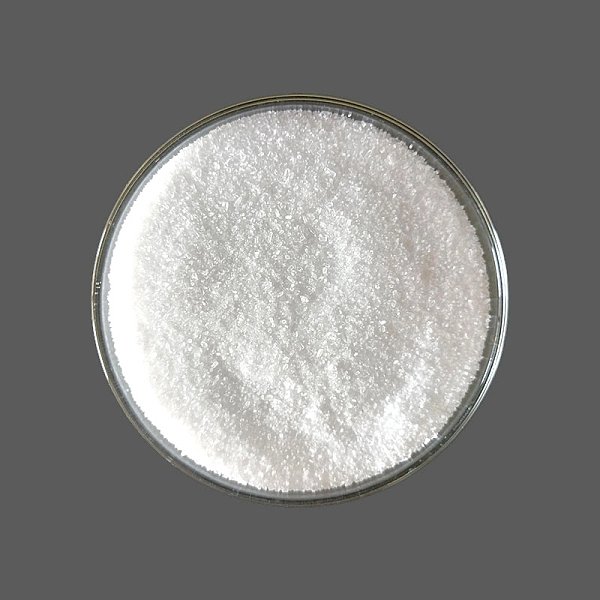
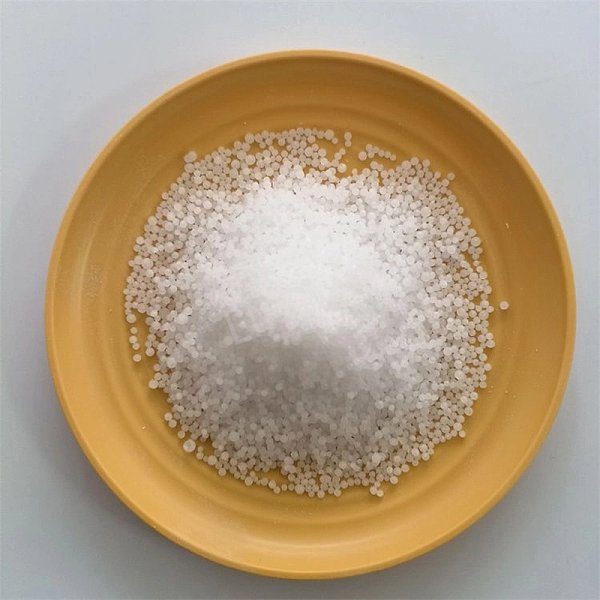
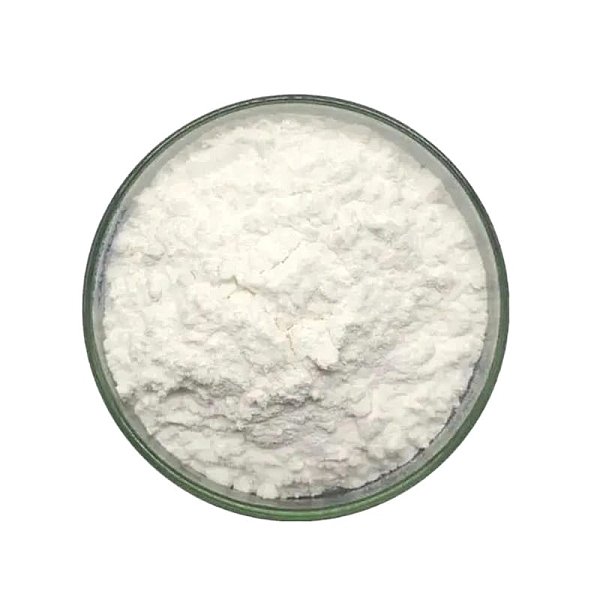
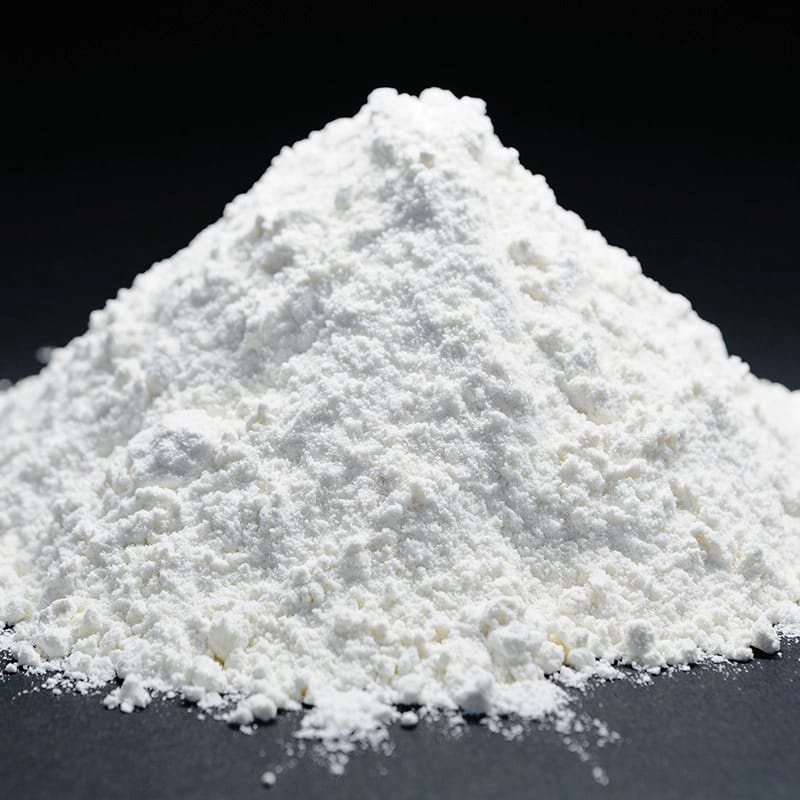
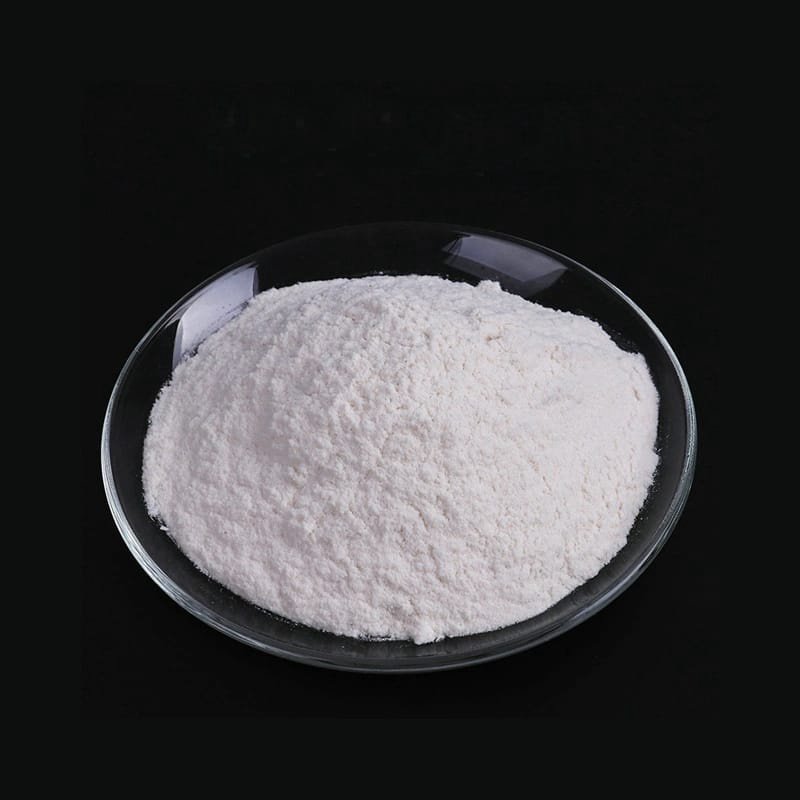
Lopol (2-bromo-2-nitro-1,3-propanediol, bromonitrol / antibacterial alcohol) is a white crystalline powder, mp 122–130°C. It dissolves easily in water, ethanol, propylene glycol and ethyl acetate, slightly in oils, and poorly in chloroform and acetone.
Product Applications-2-Bromo-2-nitro-1,3-propanediol CAS#52-51-7
Bropol delivers potent broad-spectrum activity against plant pathogenic bacteria, primarily for seed treatment. Its wide antimicrobial effect has made it a pharmaceutical disinfectant since the 1960s. Thanks to good water solubility and strong bactericidal performance, it is also widely adopted as a cosmetic preservative. It now finds expanding uses in feed, coatings, fur preservation, circulating cooling water, oilfield injection water sterilization, and aircraft/vehicle/ship disinfection, with rising market demand.
ABOUT THE PRODUCT
Product Data
Chemical Properties-2-Bromo-2-nitro-1,3-propanediol CAS#52-51-7
Safety Information-2-Bromo-2-nitro-1,3-propanediol CAS#52-51-7
ABOUT US
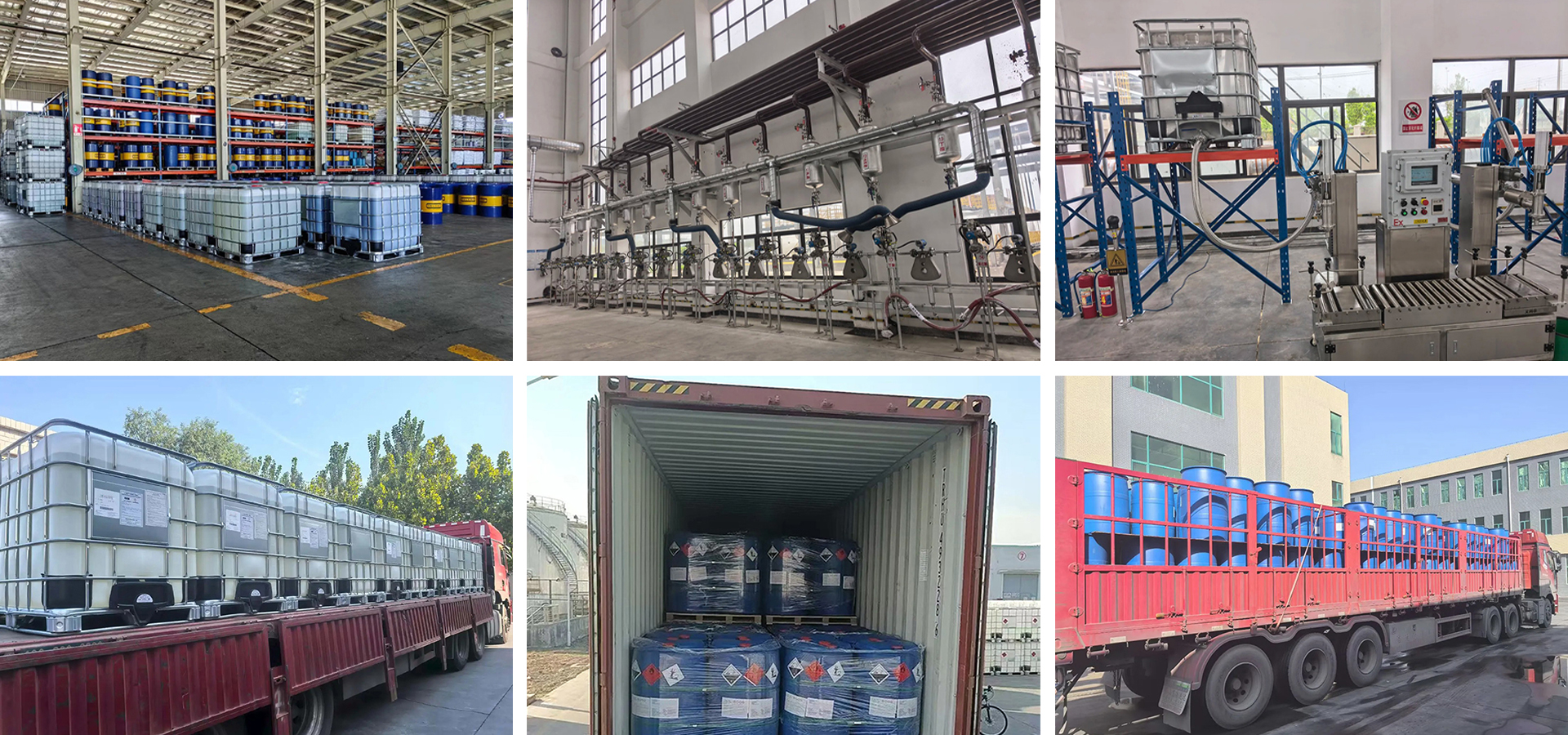
Shipped From the Factory
ABOUT THE PRODUCT
Contact Us
ABOUT US
Related Products