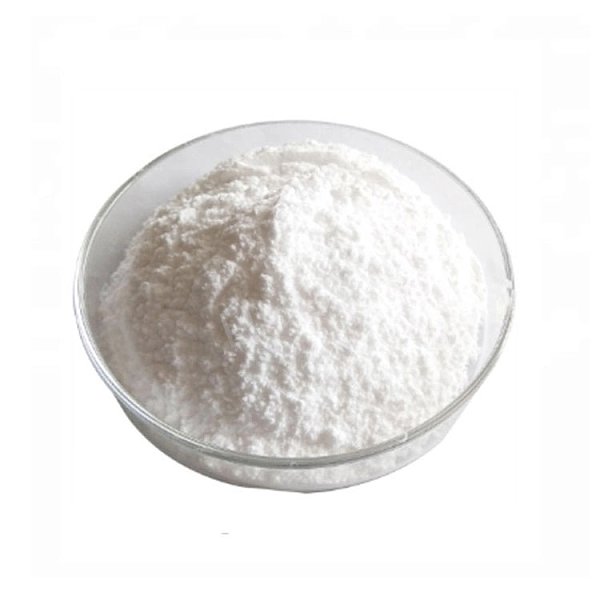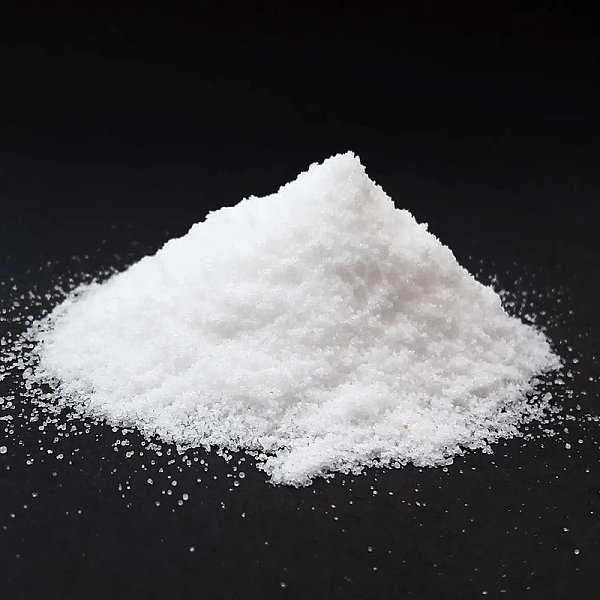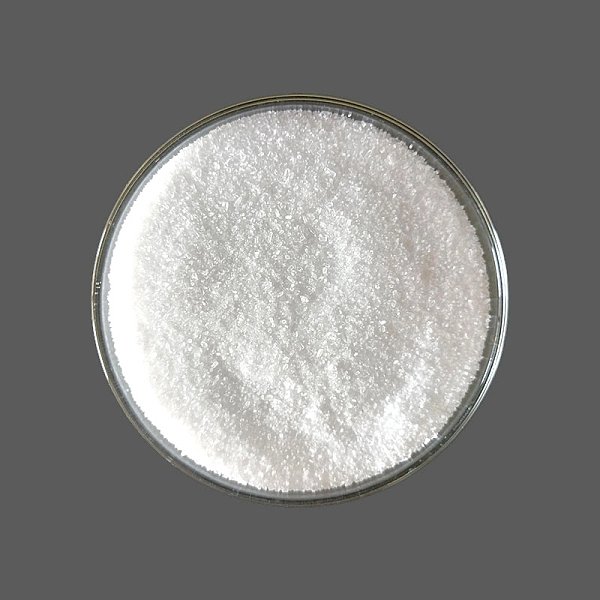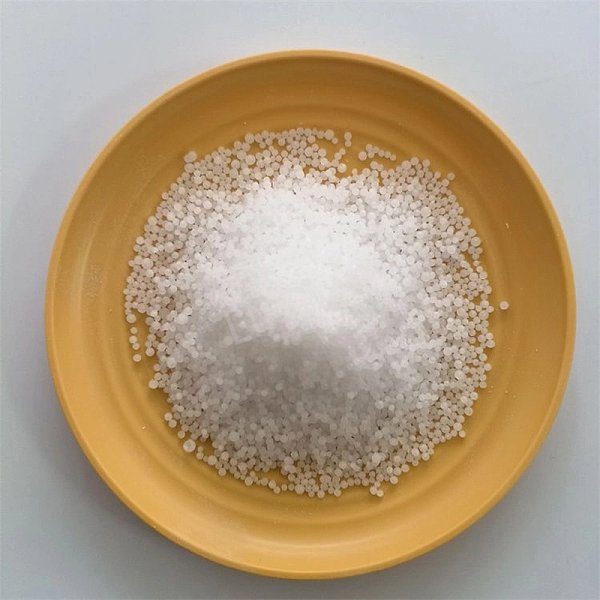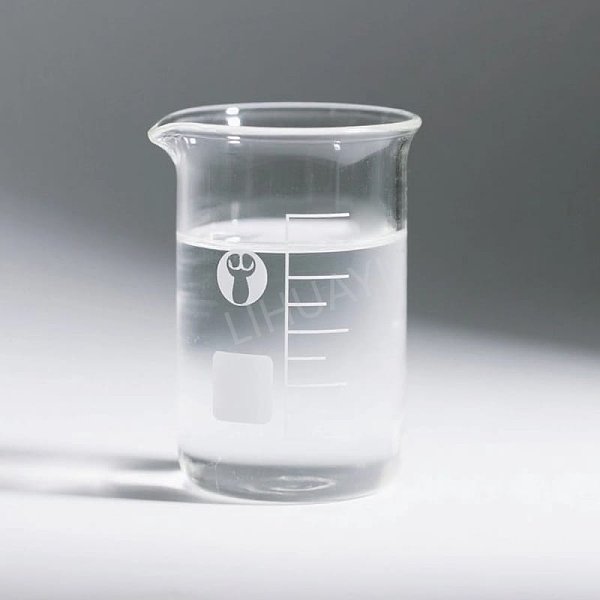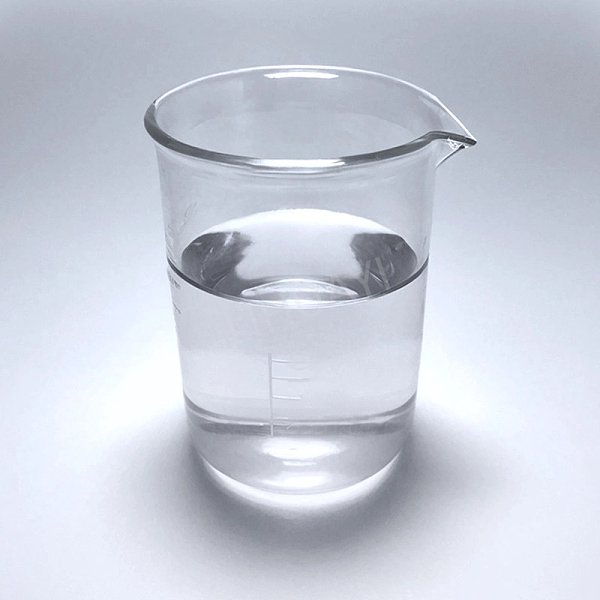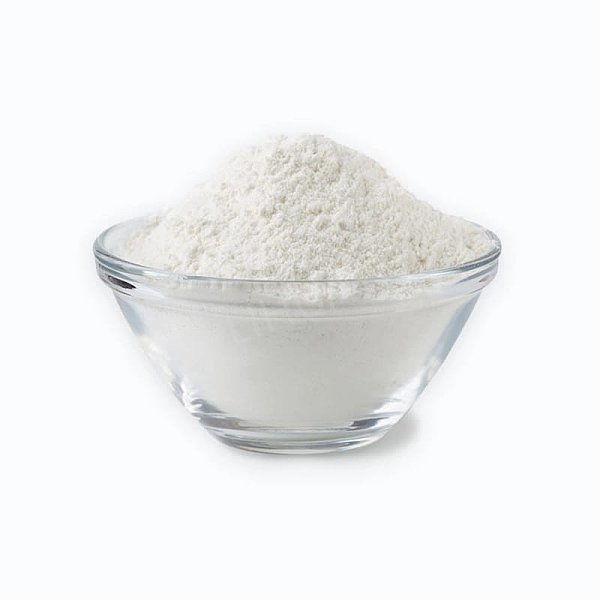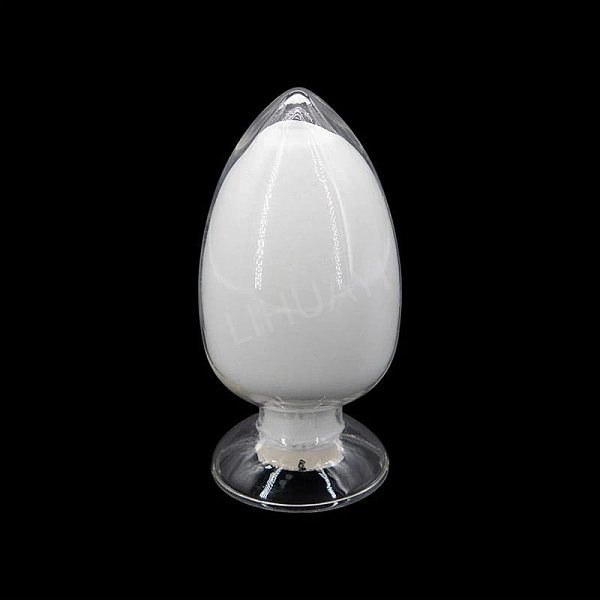
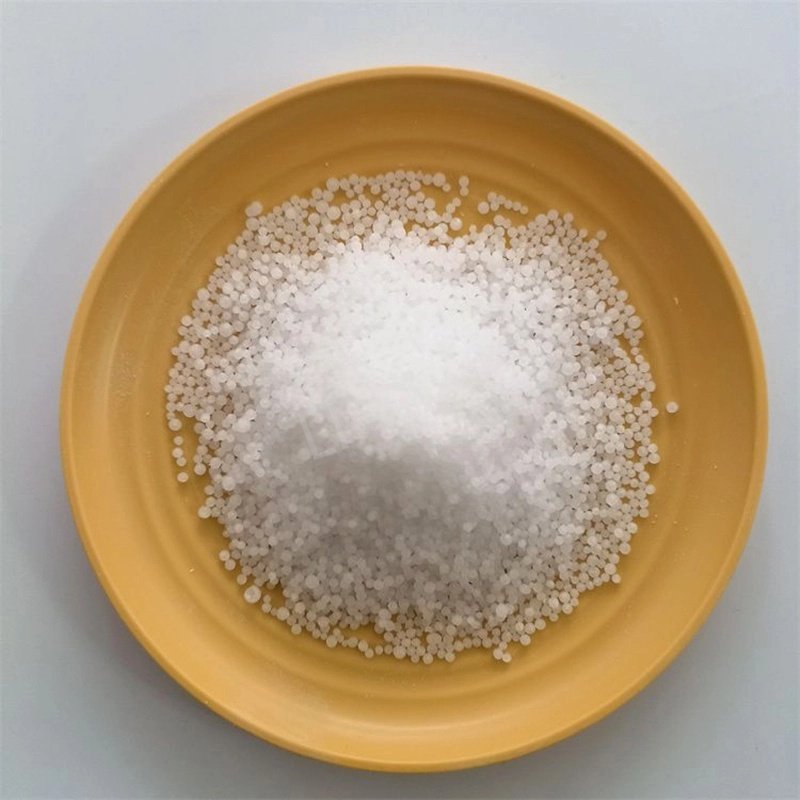
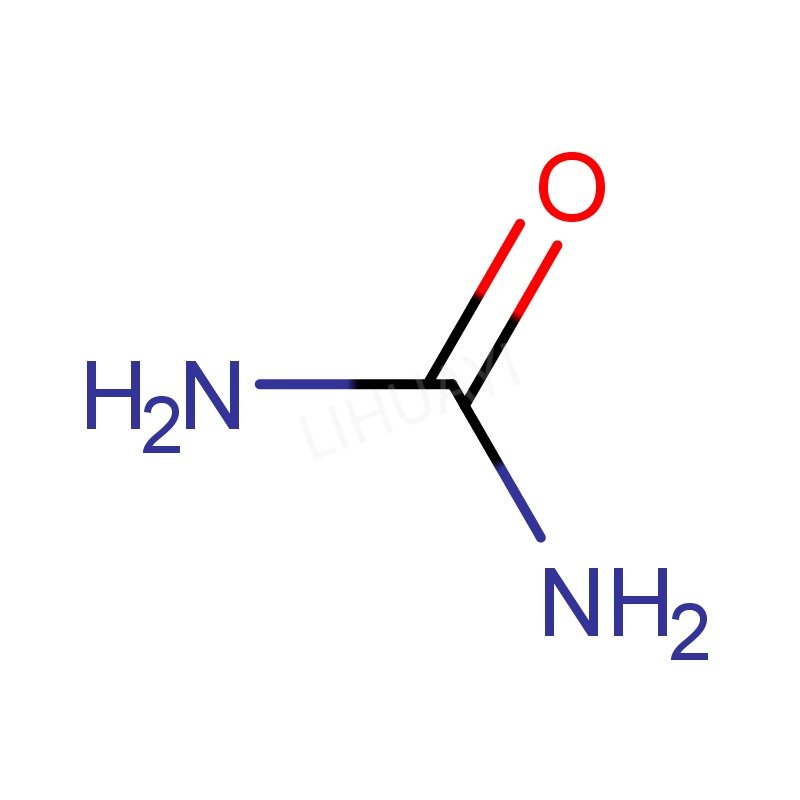
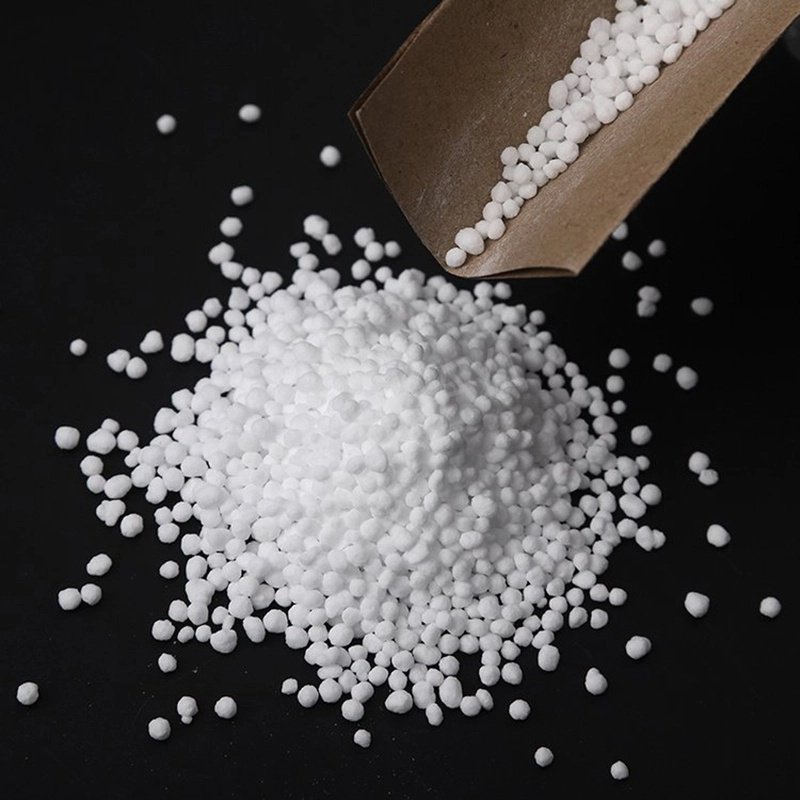
Molecular Structure: Urea features a planar crystal structure with pyramidal geometry around nitrogen in its gas-phase minimum-energy structure, contributing to its unique properties.
Hydrogen Bonding: In solid urea, the oxygen center forms two N-H-O hydrogen bonds, creating a dense, stable hydrogen-bond network that enhances its molecular stability.
High Aqueous Solubility: Due to its ability to form extensive hydrogen bonds with water, urea exhibits high solubility, making it effective in various industrial and chemical applications.
Chemical Bonding: Urea's carbon is sp2 hybridized, and its C-N bonds have significant double bond character, making it reactive and versatile for use in chemical synthesis.
Quality Assurance
Rigorous quality control and full regulatory compliance assured.
Sustainable Development
Sustainable processes cut waste, lower emissions, and save costs.
Specialty Solutions
Tailored fine chemicals that enhance efficiency and outcomes.
Chemical Manufacturer
A trusted manufacturer capable of stable, high-volume production and supply.

ABOUT THE PRODUCT
Product Description
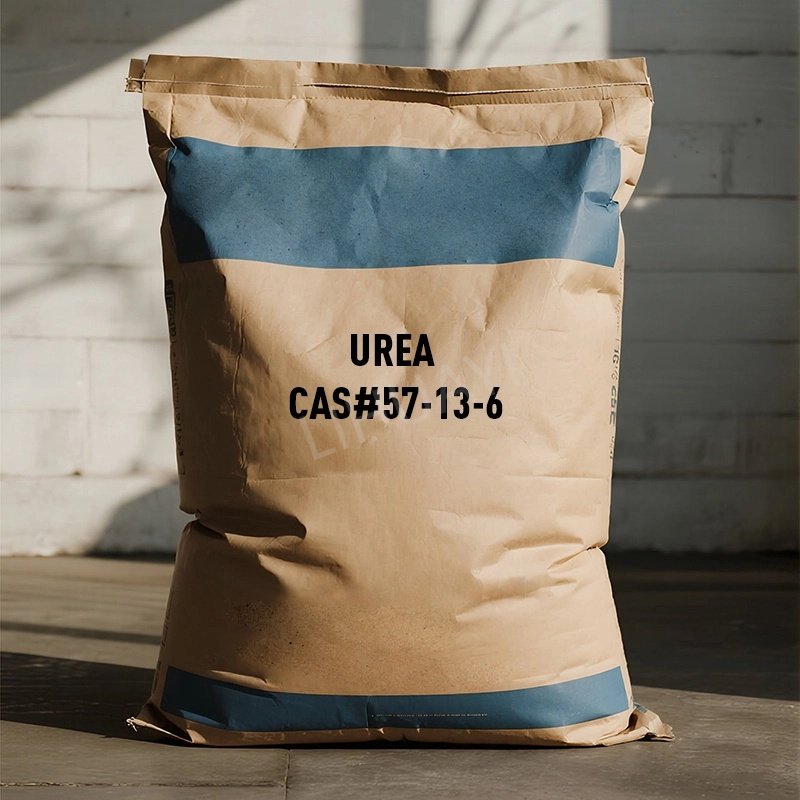
Product Description-Urea CAS#57-13-6
In crystalline form, urea has a planar molecular structure, while its nitrogen atoms take on pyramidal geometry in the gas-phase minimum-energy configuration. In the solid state, the oxygen atom forms two N–H–O hydrogen bonds, creating a dense, energetically favorable hydrogen-bond network that sacrifices optimal molecular packing and results in an open structure with ribbons forming square cross-sectional tunnels. The carbon atom is sp²-hybridized, giving C–N bonds notable double-bond character, and the carbonyl oxygen is more basic than that in compounds like formaldehyde. Urea’s high water solubility stems from its ability to form extensive hydrogen bonds with water molecules.
Product Applications-Urea CAS#57-13-6
Urea acts as a physiological regulator of nitrogen excretion in mammals, synthesized in the liver as a byproduct of protein metabolism and excreted in urine; it also naturally exists in the skin and functions as an emollient and diuretic. Biochemically, it is used to denature proteins and as a mild solubilizer for insoluble or denatured proteins, particularly effective for renaturing proteins from samples previously denatured with 6 M guanidine chloride such as inclusion bodies, and can be combined with guanidine hydrochloride and dithiothreitol (DTT) to refold denatured proteins back to their native or active forms.
ABOUT THE PRODUCT
Product Data
Chemical Properties-Urea CAS#57-13-6
Safety Information-Urea CAS#57-13-6
ABOUT US
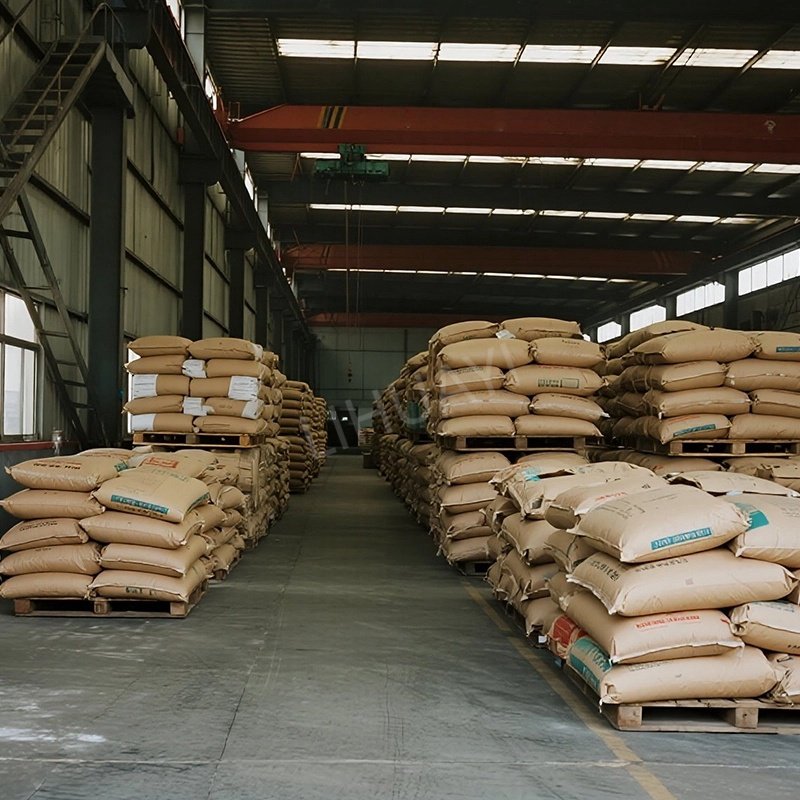
Shipped From the Factory

ABOUT THE PRODUCT
Contact Us
ABOUT US
Related Products