
Excellent Workability: Highly ductile and malleable, palladium can be easily formed into thin sheets or drawn into fine wires for precision applications.
Platinum-Like Performance: Palladium shares many chemical and physical properties with platinum, delivering similar performance at a typically lower cost.
Strong Chemical Stability: Resistant to water and many environments, and only dissolves in specific strong acids, making it reliable for demanding chemical processes.
High Purity Metallic Appearance: Its silvery-white, clean metallic finish makes it suitable for high-end industrial, electronic, and decorative applications.
Quality Assurance
Rigorous quality control and full regulatory compliance assured.
Sustainable Development
Sustainable processes cut waste, lower emissions, and save costs.
Specialty Solutions
Tailored fine chemicals that enhance efficiency and outcomes.
Chemical Manufacturer
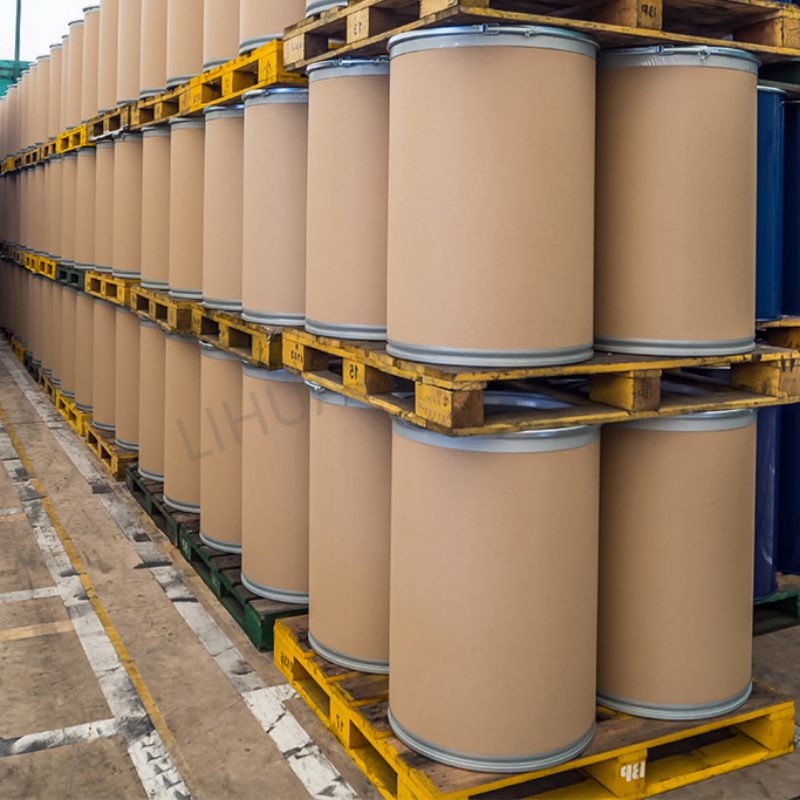
A trusted manufacturer capable of stable, high-volume production and supply.

ABOUT THE PRODUCT
Product Description
Product Description-Palladium CAS#7440-05-3
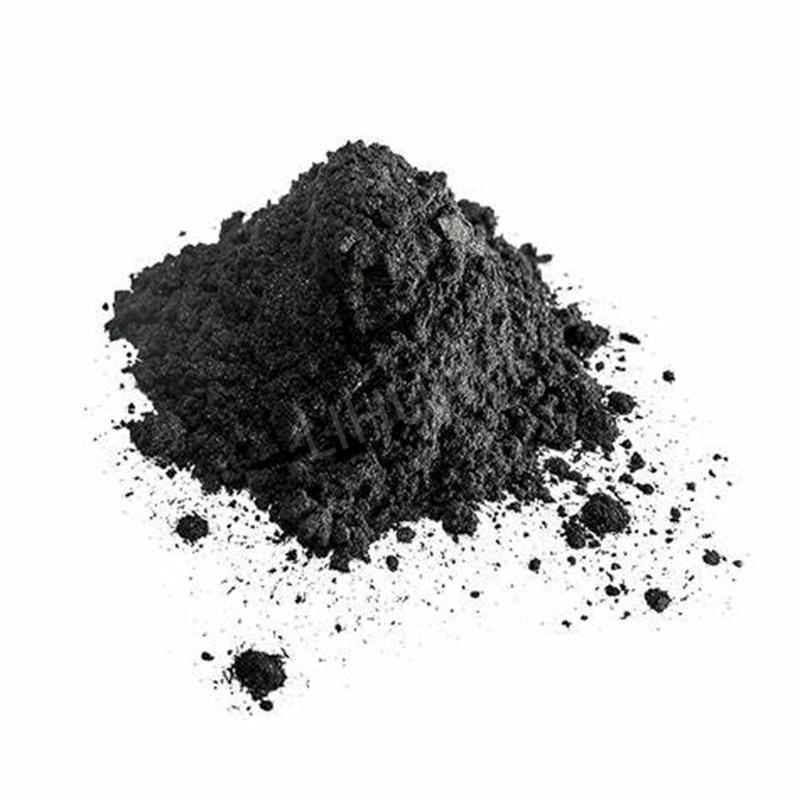
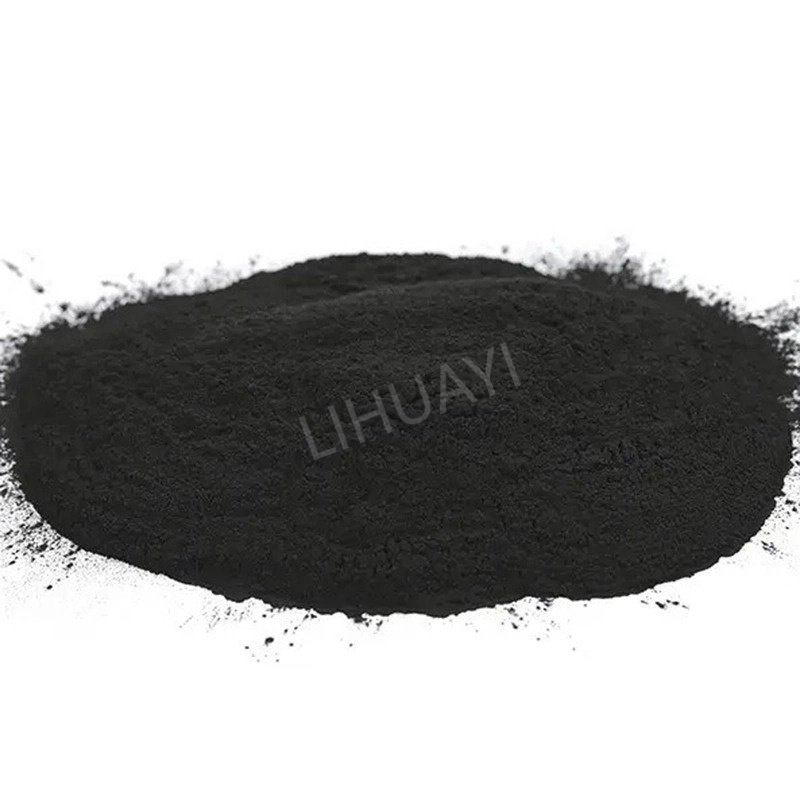
Palladium is a light platinum-group transition metal in Group 10 of the periodic table. It is a moderately hard, silvery-white metal with superior forgeability and ductility, capable of being rolled into thin sheets and drawn into fine wires. Physically and chemically, it bears strong similarities to nickel and platinum.
Chemically, palladium dissolves in aqua regia, hot nitric acid and sulfuric acid, is slightly soluble in hydrochloric acid, and insoluble in cold and hot water.
Product Applications-Palladium CAS#7440-05-3
Palladium is a soft white metal occurring in copper and nickel ores. Its chlorides are used for specialized printing.
This transition metal is an important catalyst for hydrogenation, dehydrogenation and petroleum cracking. Mixed with platinum, it reduces vehicle exhaust emissions in catalytic converters.
It is applied in surgical devices, electrical components, spark plugs and jewelry as white gold. Palladium-gold alloys serve dental and medical implant purposes, and palladium alloys act as gold substitutes for ornaments. It absorbs hydrogen for catalysis and carbon for CO detectors.
ABOUT THE PRODUCT
Product Data
Chemical Properties-Palladium CAS#7440-05-3
Safety Information-Palladium CAS#7440-05-3
ABOUT US
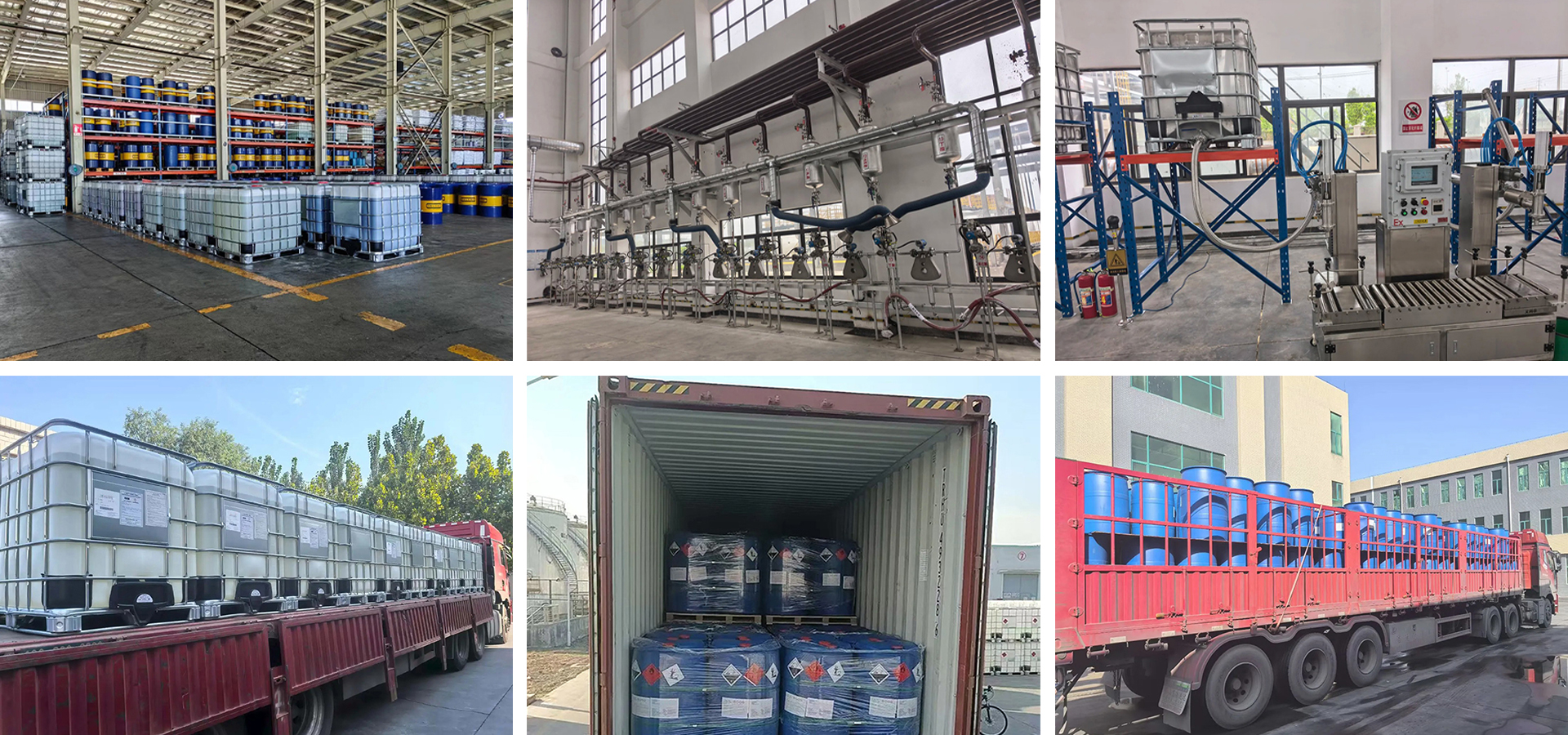
Shipped From the Factory
ABOUT THE PRODUCT
Contact Us
ABOUT US
Related Products