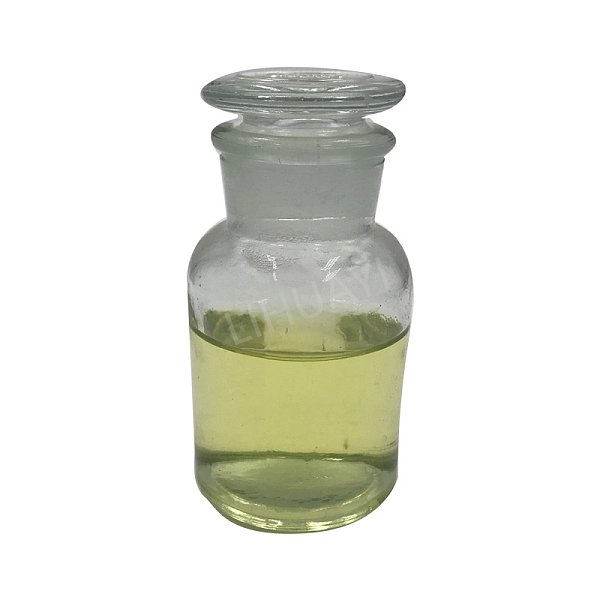
Wide Temperature Range: Polycarbonate performs well across a broad temperature range, from -60°C to 120°C, with high heat distortion and thermal decomposition temperatures above 310°C.
High Thermal Stability: With a heat distortion temperature of 130-140°C and a glass transition temperature of 149°C, polycarbonate exhibits excellent thermal stability.
Excellent Light Transmittance: Polycarbonate boasts a light transmittance of 85% to 90%, allowing it to be used in applications requiring high clarity.
Good Colorability: Polycarbonate can be easily molded into nearly colorless, transparent products, offering excellent colorability for various applications.
Quality Assurance
Rigorous quality control and full regulatory compliance assured.
Sustainable Development
Sustainable processes cut waste, lower emissions, and save costs.
Specialty Solutions
Tailored fine chemicals that enhance efficiency and outcomes.
Chemical Manufacturer
A trusted manufacturer capable of stable, high-volume production and supply.

ABOUT THE PRODUCT
Product Description
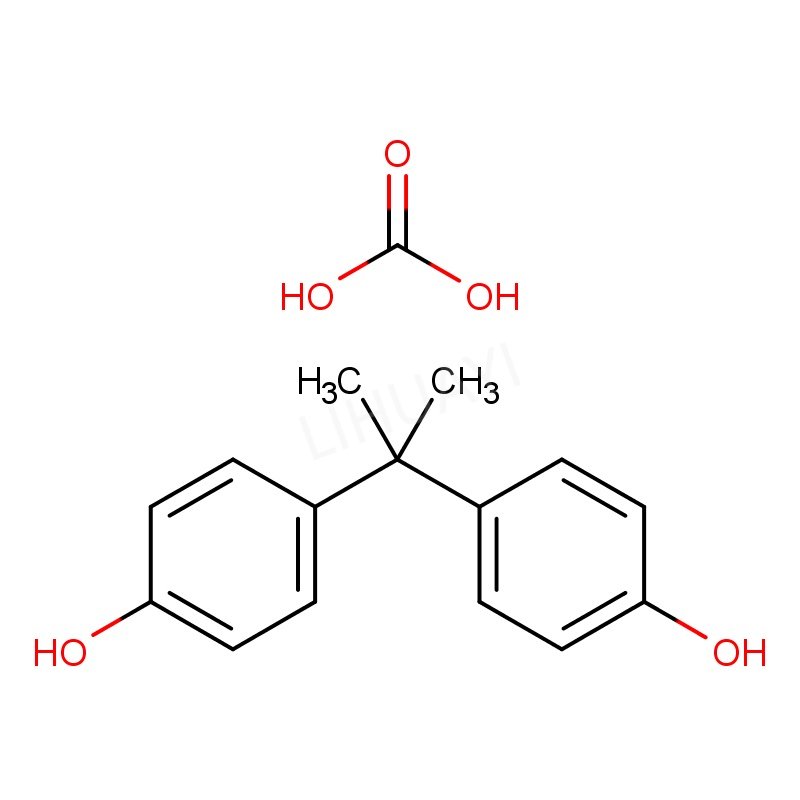
Product Description-Polycarbonate CAS#25037-45-0
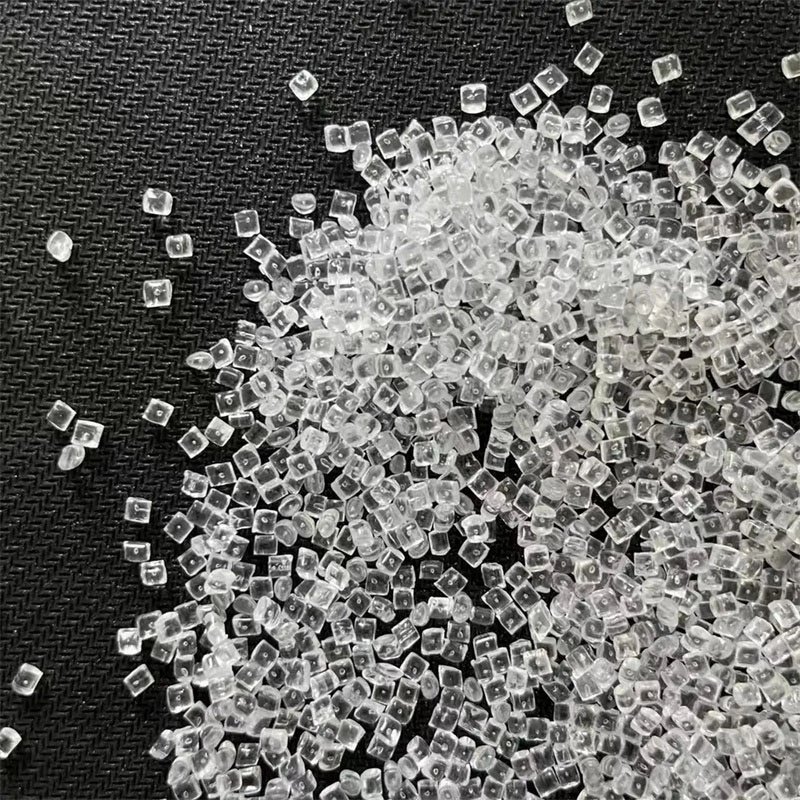
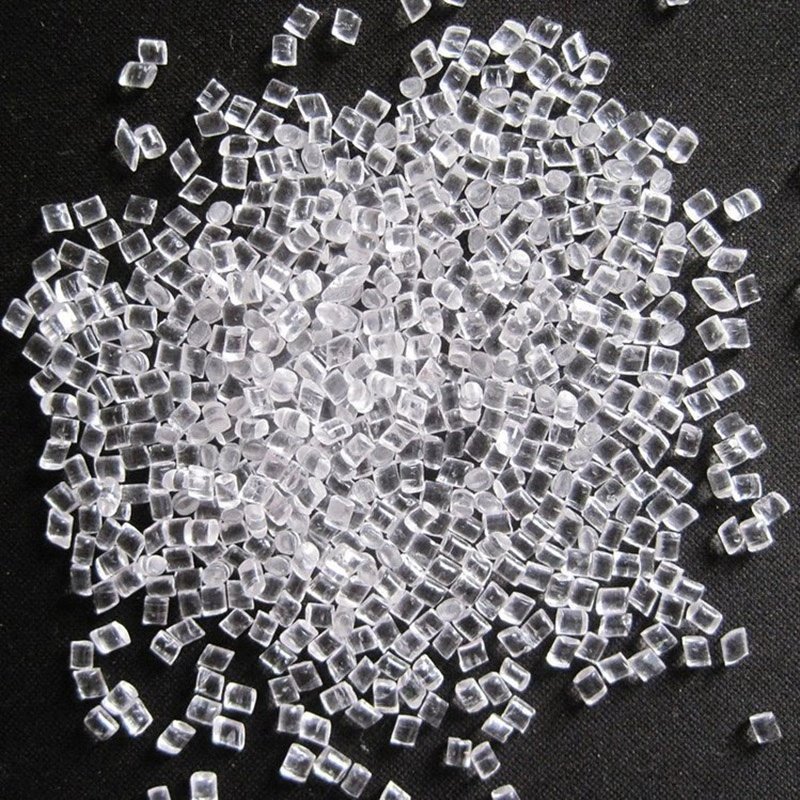
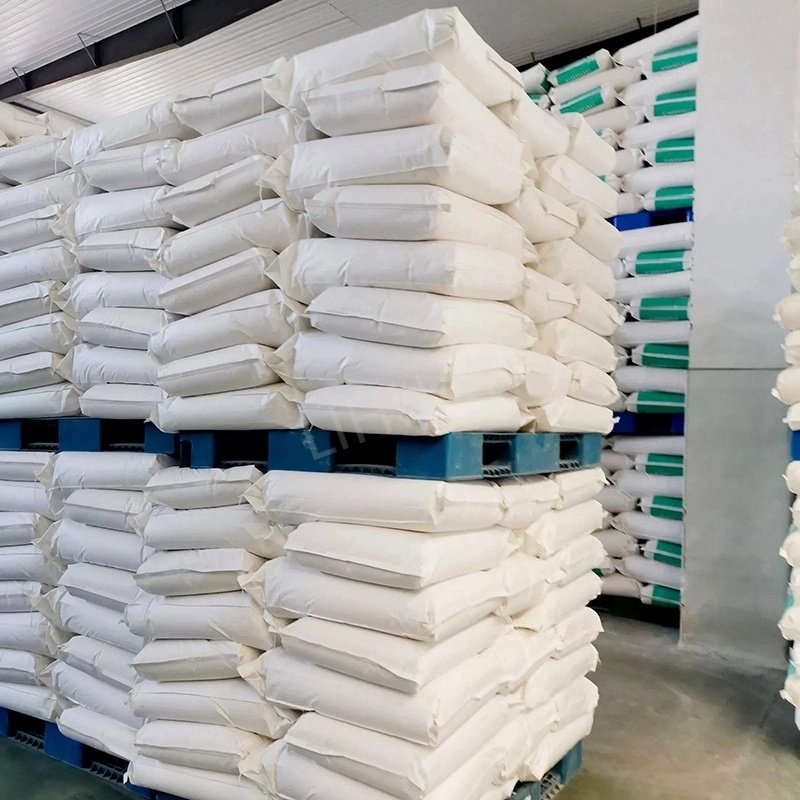
Polycarbonate is a high-performance engineering plastic with long-term temperature resistance ranging from -60°C to 120°C. It has a heat distortion temperature of 130–140°C, a glass transition temperature of 149°C, and a thermal decomposition temperature exceeding 310°C. Delivering 85%–90% light transmittance, it can be processed into nearly transparent, colorless products and features excellent colorability.
Product Applications-Polycarbonate CAS#25037-45-0
Polycarbonates are plastics widely used in modern industry having good temperature and impact resistance. This plastic is particularly good to work with more conventional definition techniques (injection molding, extrusion into tubes or cylinders and thermoforming). It is also used when optical transparency is needed, having more than 80% transmission up to the 1560-nm range (short wave infrared range). It has moderated chemical resistance properties, being chemically resistant to diluted acids and alcohols. It is poorly resistant against ketones, halogens, and concentrated acids. The major disadvantage associated with polycarbonates is the low glass transition temperature (Tg> 40°C), but it is still largely used as low-cost material in microfluidic systems and also as a sacrificial layer.
It was used to study the lipase degradation and monitored using gel permeation chromatography (GPC).
ABOUT THE PRODUCT
Product Data
Chemical Properties-Polycarbonate CAS#25037-45-0
Safety Information-Polycarbonate CAS#25037-45-0
ABOUT US
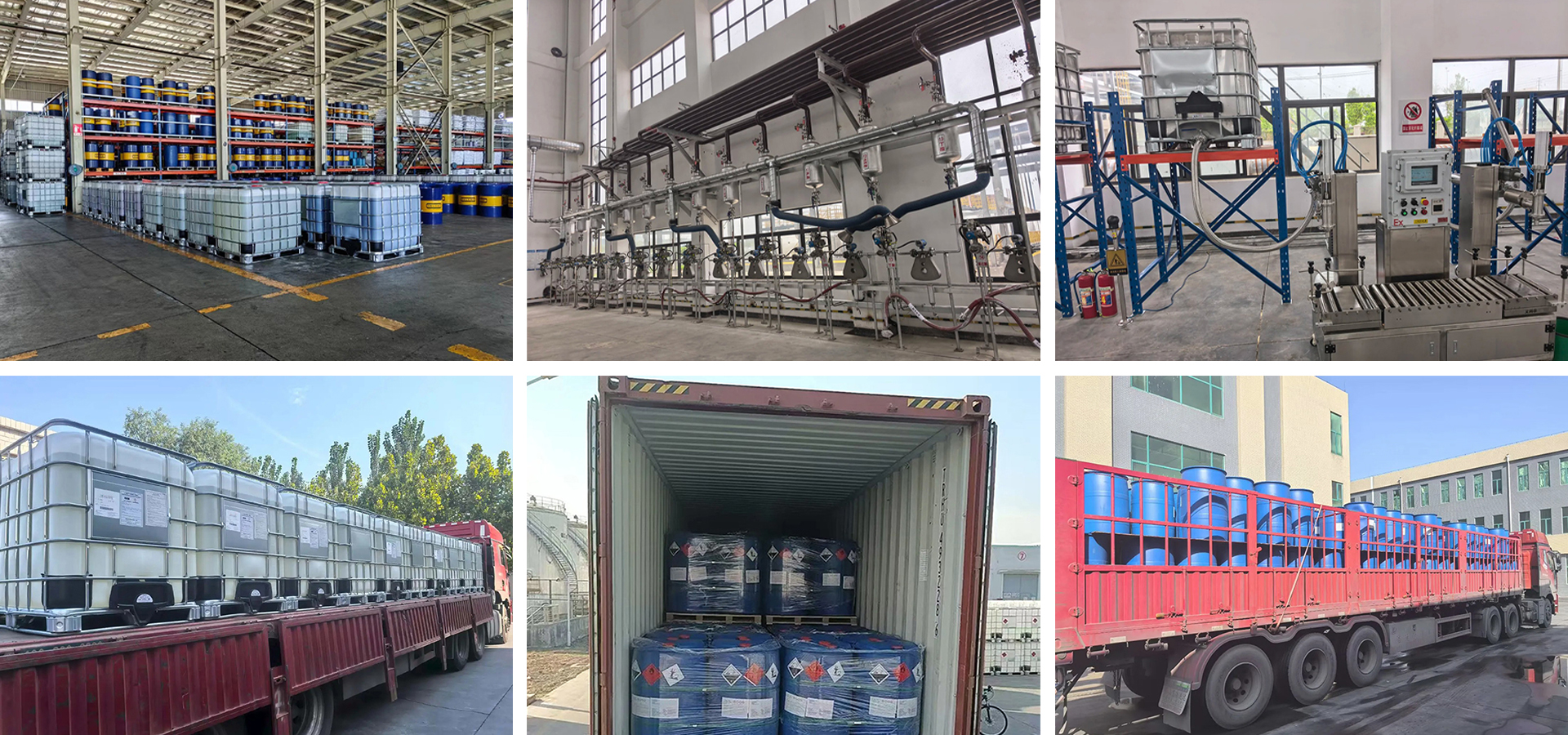
Shipped From the Factory
ABOUT THE PRODUCT
Contact Us
ABOUT US
Related Products