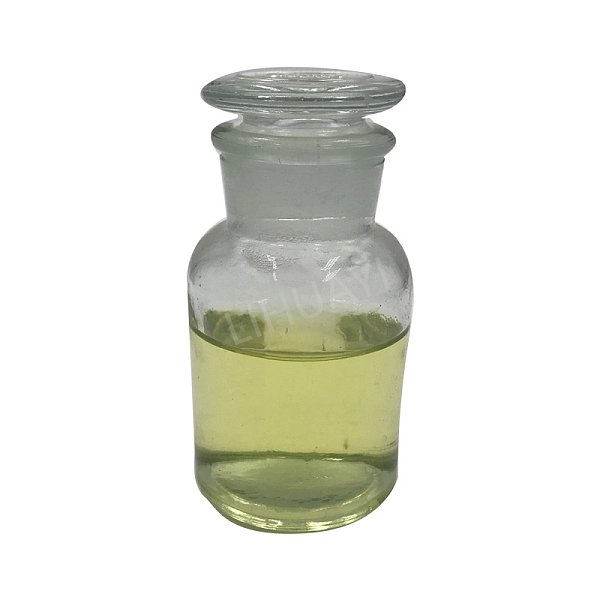
High-Efficiency Antifreeze:Low MP (-13°C) and high BP (198°C) provide superior freeze/boil protection in engines.
Key PET Production Feedstock:Essential for manufacturing polyester fibers, plastics, and synthetic resins.
Versatile Industrial Solvent/Humectant:Replaces glycerol as cost-effective solvent (pharma) and hygroscopic agent (leather).
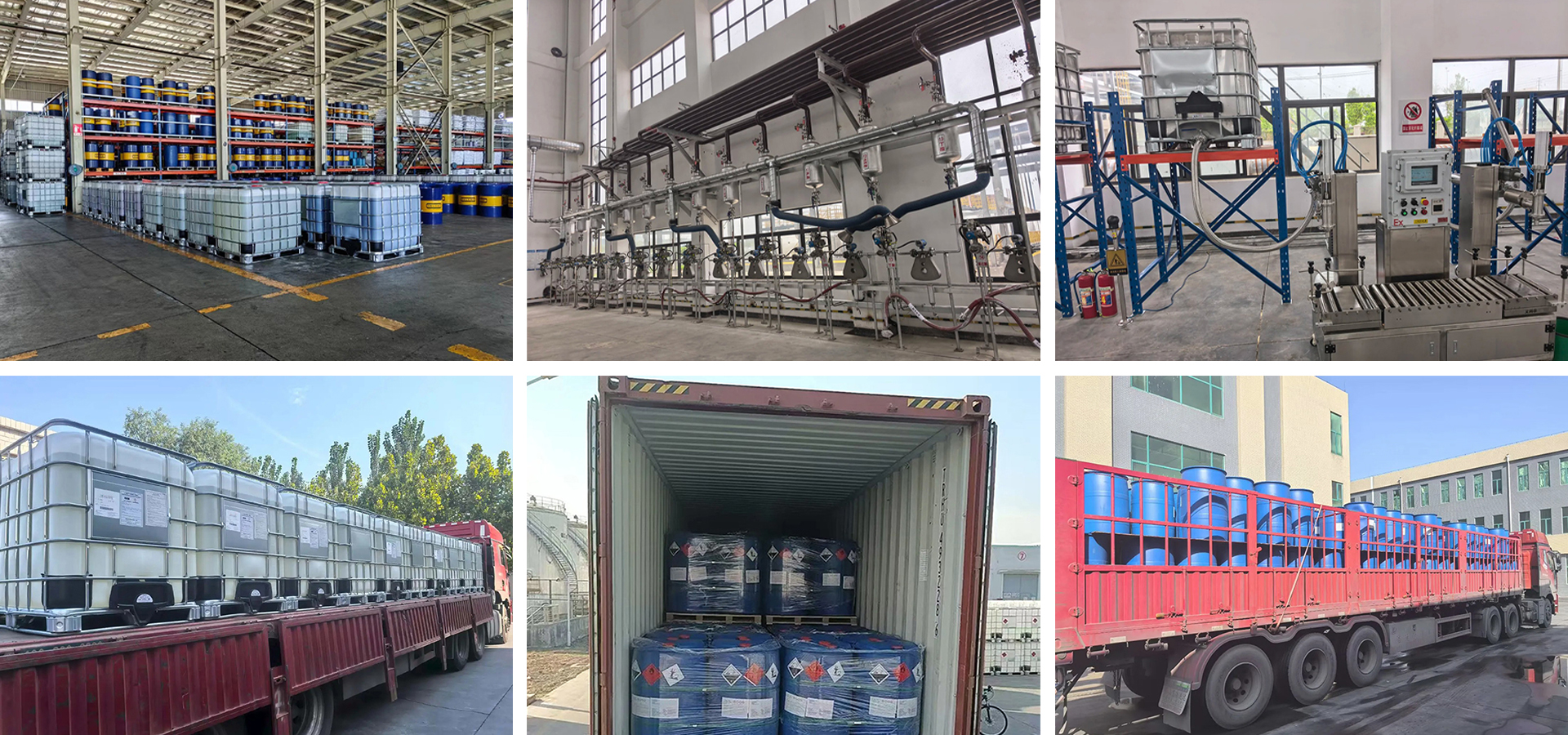
Safe Bulk Handling:Water-miscible liquid; stable when refrigerated (2-8°C). Ships economically in bulk (1 FCL MOQ).
Quality Assurance
Rigorous quality control and full regulatory compliance assured.
Sustainable Development
Sustainable processes cut waste, lower emissions, and save costs.
Specialty Solutions
Tailored fine chemicals that enhance efficiency and outcomes.
Chemical Manufacturer
A trusted manufacturer capable of stable, high-volume production and supply.

ABOUT THE PRODUCT
Product Description
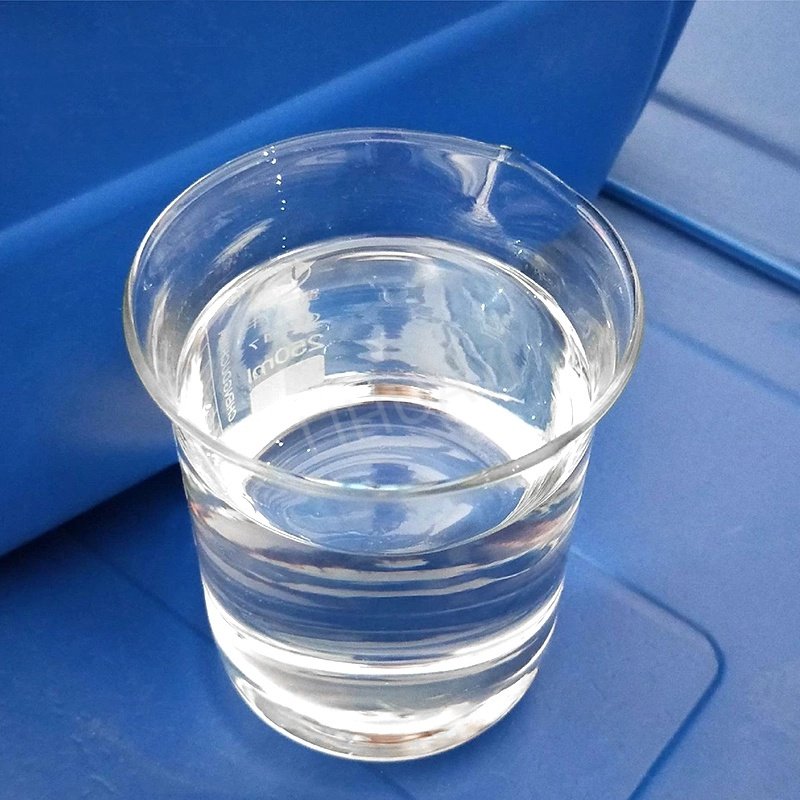
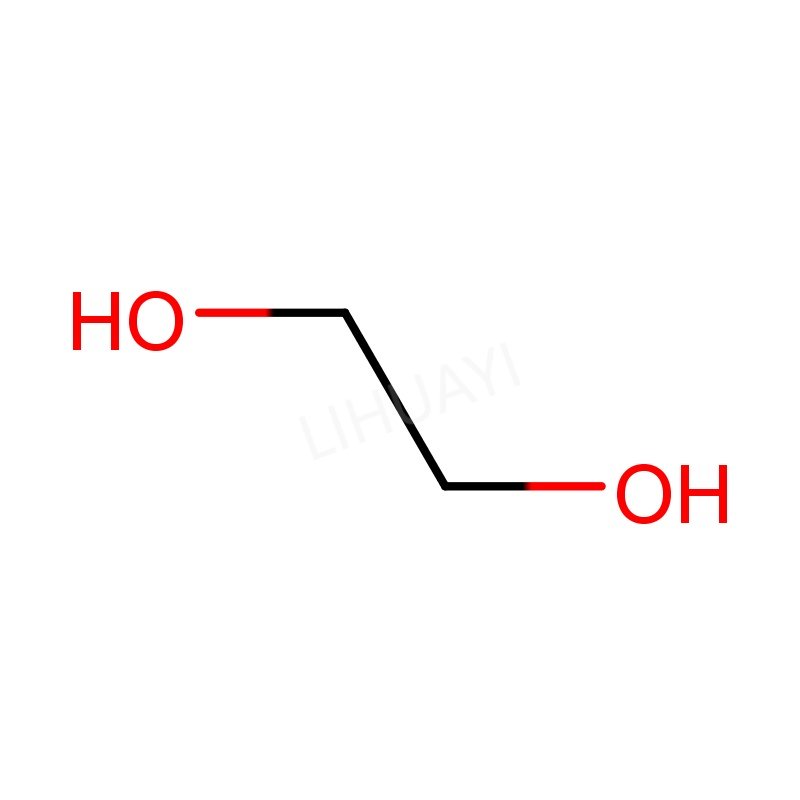
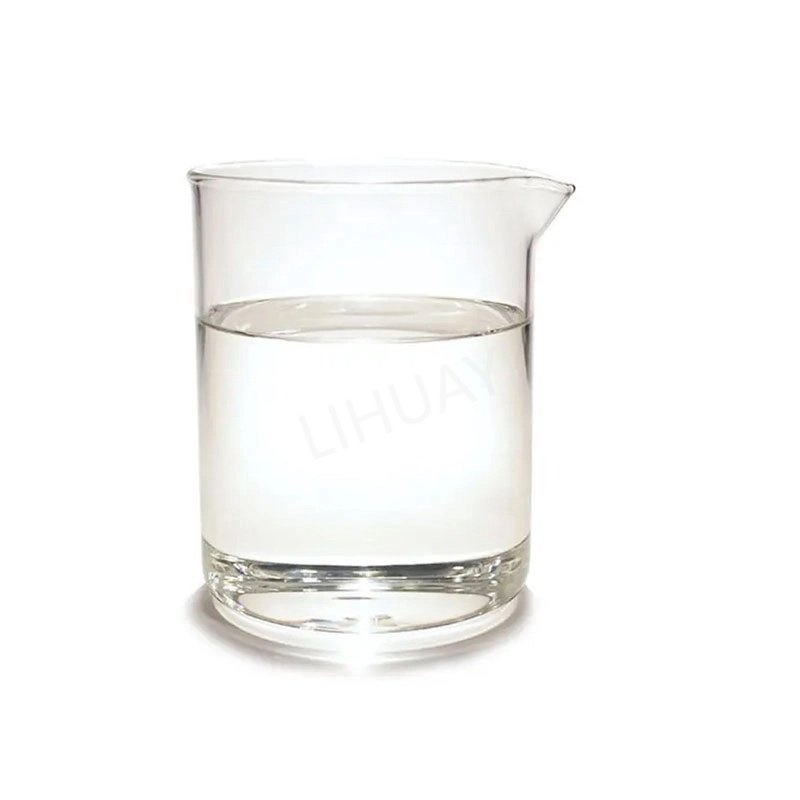
Product Description-Ethylene Glycol CAS#107-21-1
Ethylene glycol serves primarily as an antifreeze in automotive cooling systems and a key feedstock for polyethylene terephthalate (PET), which is used to make polyester fibers and plastics. It also finds use in producing synthetic resins, solvents, lubricants, surfactants, softeners, wetting agents and explosives. Industrially, it often replaces glycerol, acting as a humectant in leather processing and a solvent in pharmaceutical manufacturing.
Product Applications-Ethylene Glycol CAS#107-21-1
Ethylene glycol is used directly in the polyester industry, where it undergoes a polycondensation reaction with purified terephthalic acid (PTA) to produce polyethylene terephthalate (PET)—a material essential for the manufacture of fibers, films, and plastics. Ethylene glycol can also be employed to decolorize waste polyester fabrics; by treating the fabric with ethylene glycol at a mass ratio of 1:20 at 180°C for 40 minutes, a decolorization rate of up to 93.64% can be achieved. Even when the ethylene glycol is reused, the decolorization rate remains above 90%. Furthermore, ethylene glycol can react with ethylene oxide in the presence of an alkaline catalyst to synthesize polyethylene glycol (PEG). PEG is non-toxic and harmless, possessing excellent water solubility, hygroscopicity, and lubricity. In the cosmetics industry, it serves as a humectant and viscosity modifier, while in the pharmaceutical sector, it acts as a solvent for injectable drugs; clinically, PEG-interferon conjugates are used in combination with other medications to treat a variety of diseases. Additionally, PEG finds applications as a food additive and as a mold-release agent in metal processing.
ABOUT THE PRODUCT
Product Data
Chemical Properties-Ethylene Glycol CAS#107-21-1
Safety Information-Ethylene Glycol CAS#107-21-1
ABOUT US
Shipped From the Factory
ABOUT THE PRODUCT
Contact Us
ABOUT US
Related Products