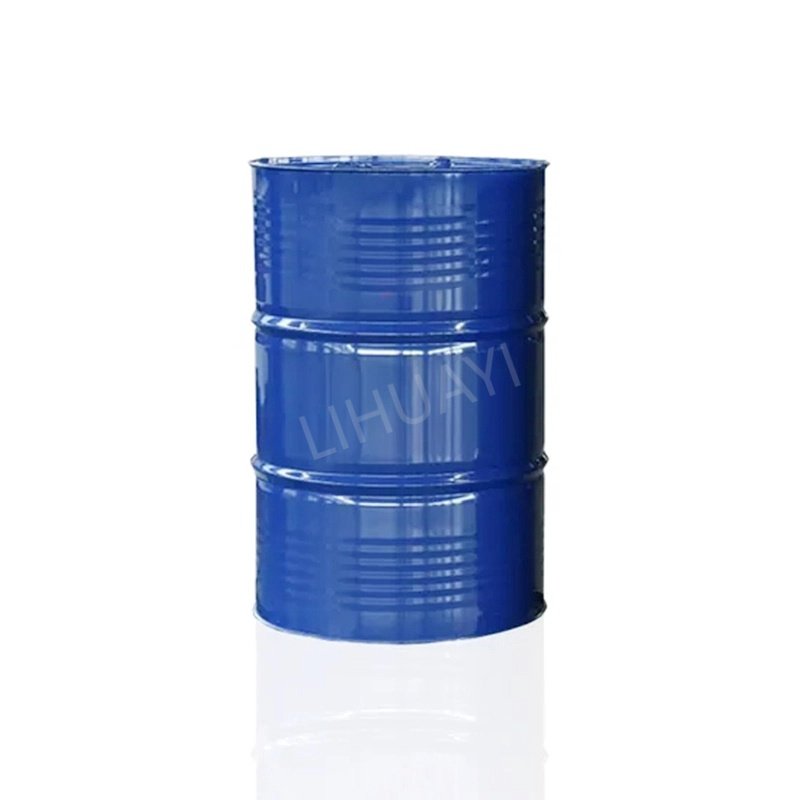
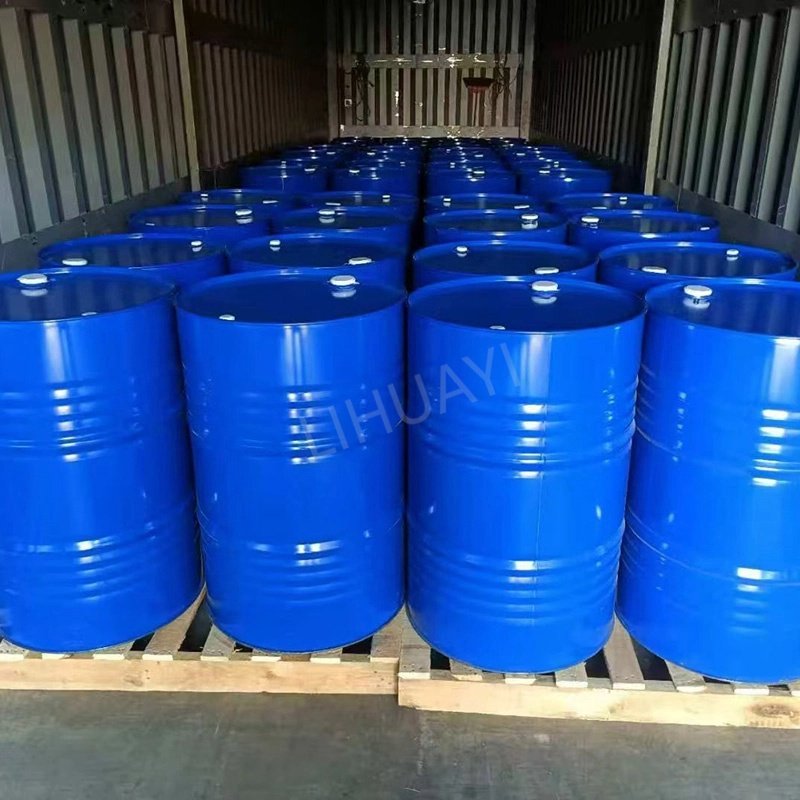
Trichloroethylene CAS#79-01-6

Trichloroethylene CAS#79-01-6

Trichloroethylene CAS#79-01-6

Strong Solvent Power :Effectively removes varnish, coating agents, and flux residues in industrial cleaning.


Excellent Degreasing Performance :High vapor pressure and a moderate boiling point make TCE suitable for metal and fiber degreasing.


Favorable Physical and Chemical Properties :A colorless, volatile liquid with a slightly sweet odor, insoluble in water but soluble in ethanol and ether.


Versatile Industrial Applications :Used as a solvent, extractant, heat-transfer medium, and intermediate for producing various chemicals, including HCFCs and HFCs.

Quality Assurance

Rigorous quality control and full regulatory compliance assured.

Sustainable Development

Sustainable processes cut waste, lower emissions, and save costs.

Specialty Solutions

Tailored fine chemicals that enhance efficiency and outcomes.

Chemical Manufacturer

A trusted manufacturer capable of stable, high-volume production and supply.

ABOUT THE PRODUCT

Product Description

Product Description-Trichloroethylene CAS#79-01-6


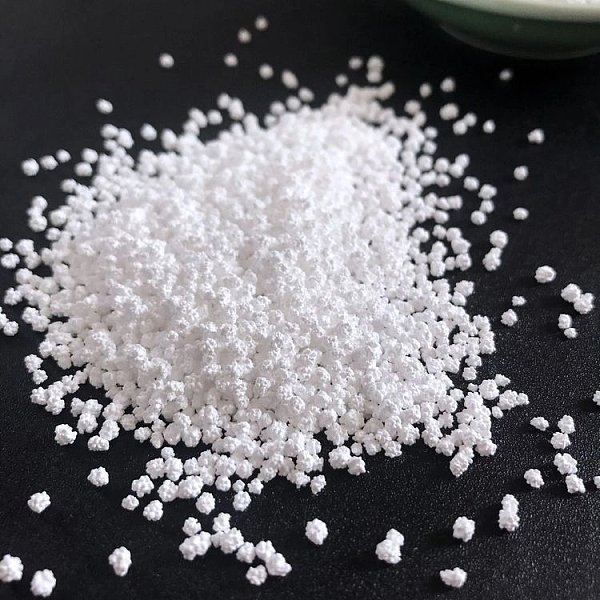
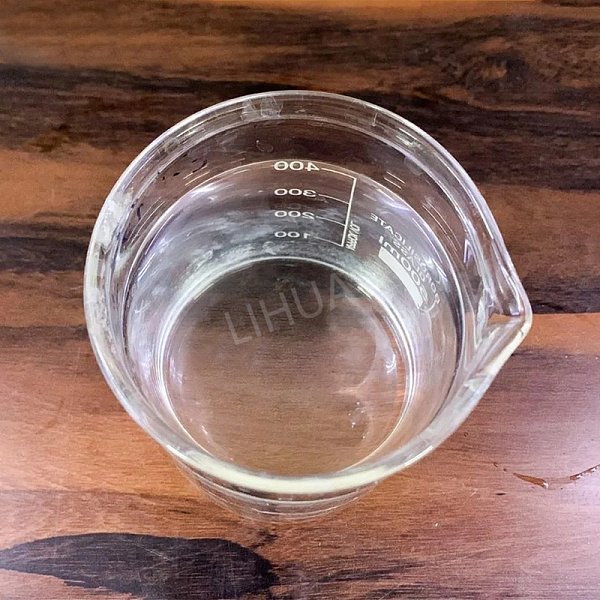
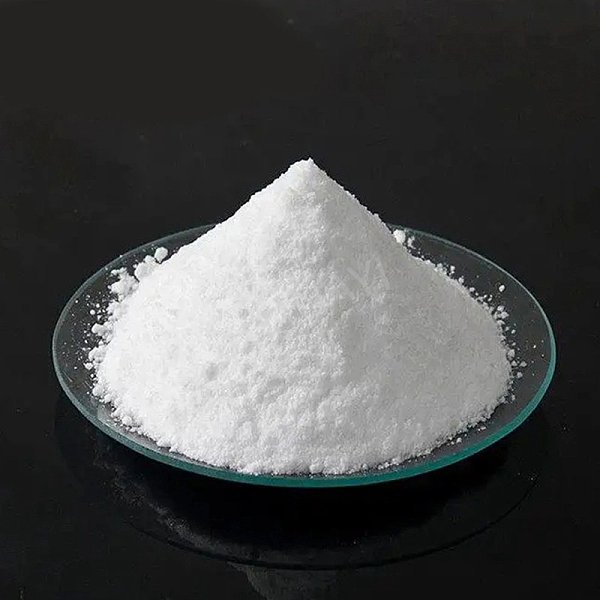
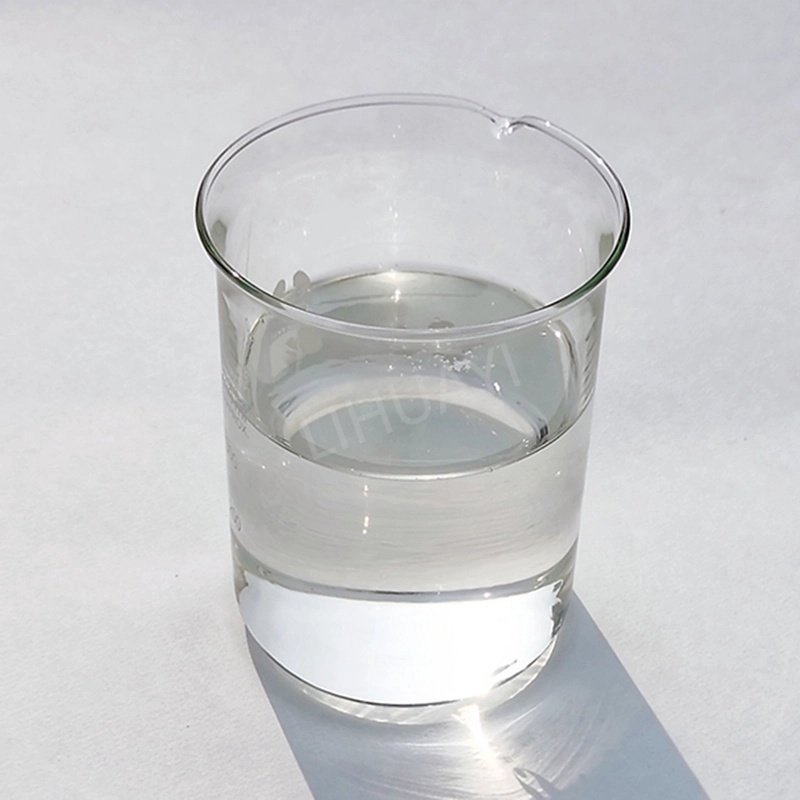
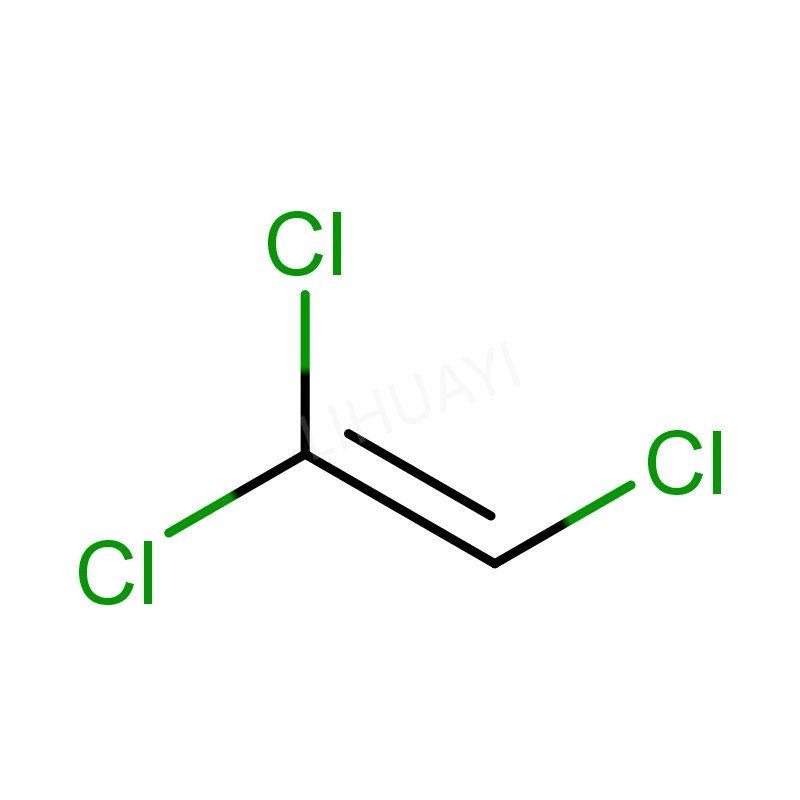
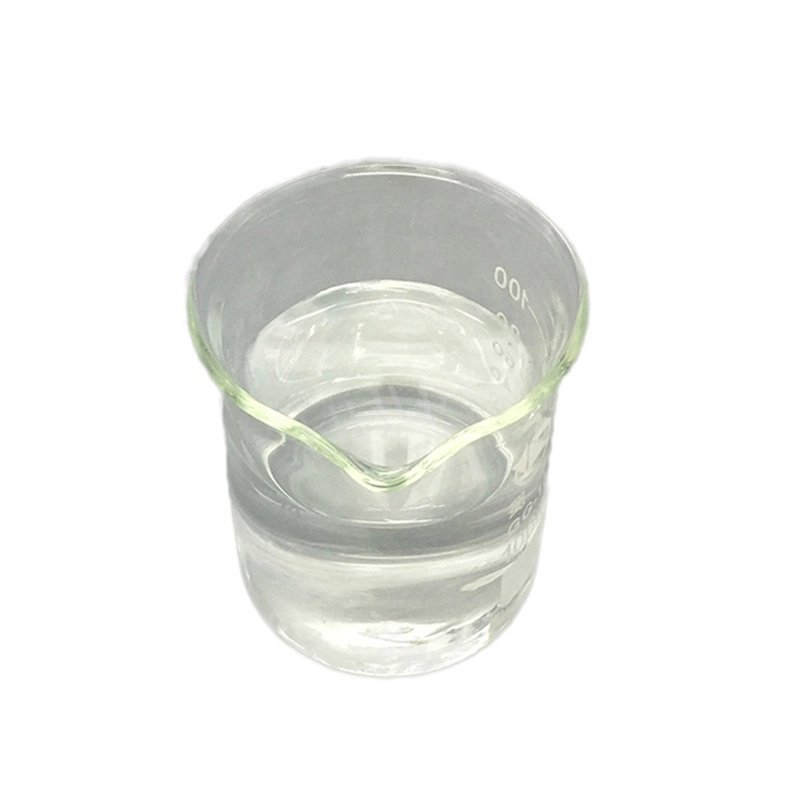
Trichloroethylene (TCE), also known as acetylated trichloroethylene, is a colorless, volatile non-flammable liquid with a slightly sweet odor under normal conditions, insoluble in water but soluble in organic solvents such as ethanol and ether. With a moderate boiling point, high vapor pressure, good stability and strong solvency, it is widely used for industrial metal cleaning and degreasing, fiber degreasing and gas washing, effectively removing stubborn contaminants including semi-hardened varnish, coating polishing agents and thick flux residues.

Product Applications-Trichloroethylene CAS#79-01-6


Trichloroethylene is widely used as a cleaning agent for metal parts and electronic components across industries including home appliances, automobiles, precision machinery and microelectronics. As an important chemical intermediate, it is used to produce downstream products such as tetrachloroethylene, hexachloroethane and HFC-134a, with demand primarily driven by the fast-growing HFC-134a manufacturing sector that accounts for a rising share of its total consumption. Its other applications, making up about 15% of total use, serve as solvents and extractants for caprolactam, pesticides, pharmaceuticals and pharmaceutical intermediate refining, with related demand growing notably in recent years.

ABOUT THE PRODUCT

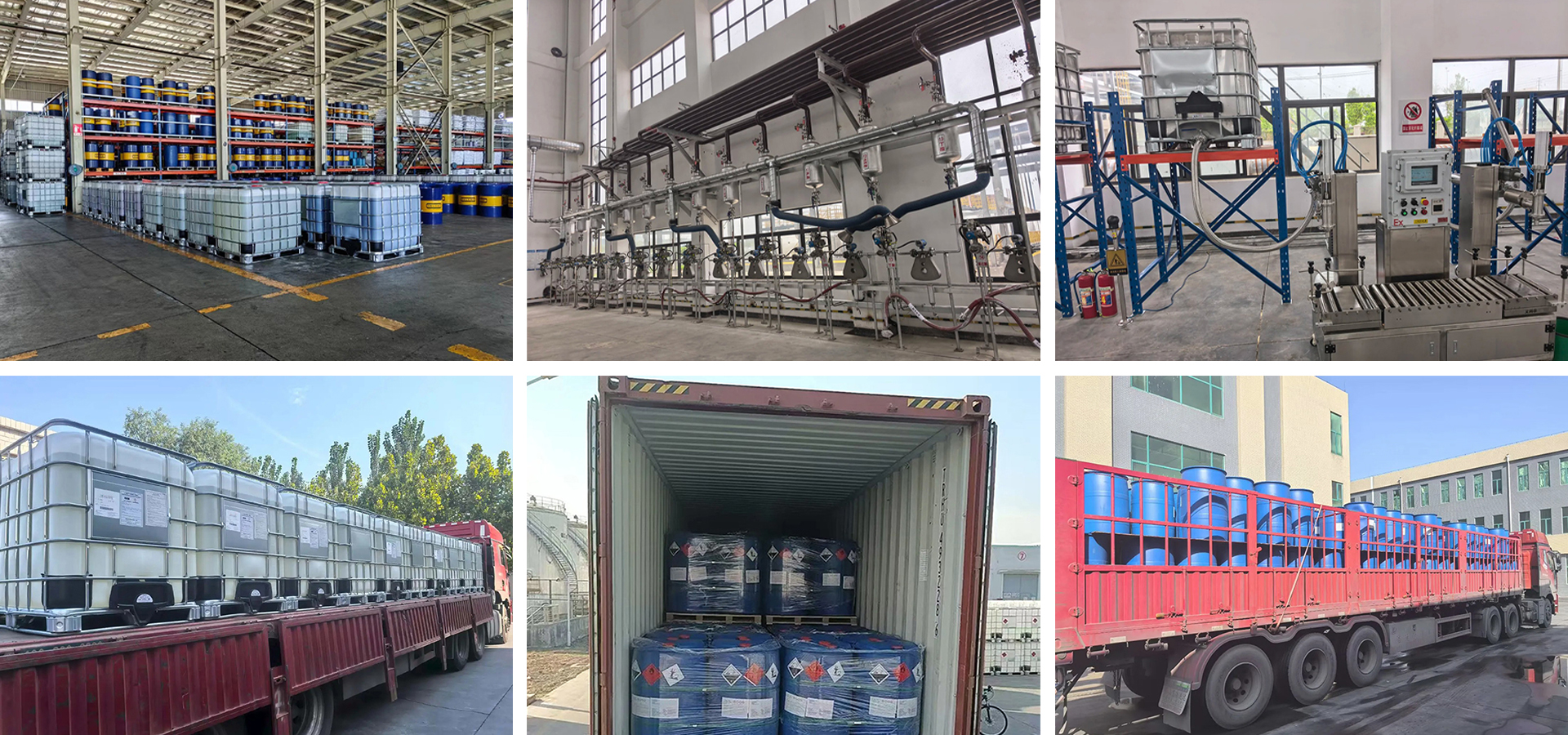
Factory Environment
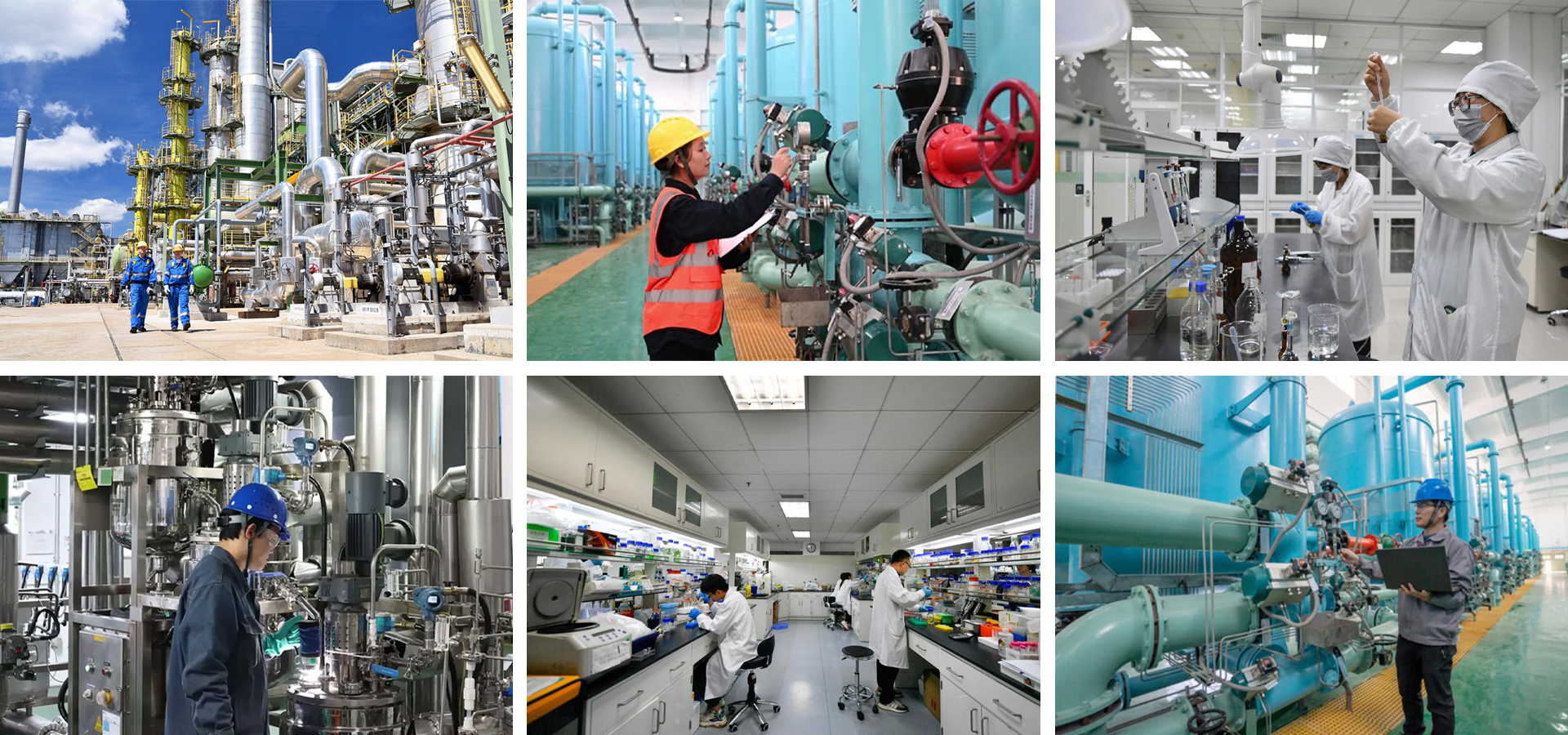
产品详情-工厂环境

ABOUT THE PRODUCT

Product Data

Chemical Properties-Trichloroethylene CAS#79-01-6


Melting point

−84.8 °C (−120.6 °F; 188.3 K) some sources also list –73 °C as the freezing point

Boiling point

86.7 °C (188.1 °F; 359.8 K)

density

1.46 g/cm3 at 20 °C

vapor density

4.5 (vs air)

vapor pressure

61 mm Hg ( 20 °C)

refractive index

1.4777 at 19.8 °C

Fp

11 °C - closed cup

storage temp.

2-8°C

solubility

Soluble in acetone, ethanol, chloroform, ether (U.S. EPA, 1985), and other organic solvents including bromoform, carbon tetrachloride, methylene chloride, trichloroethylene, and tetrachloroethylene.

form

liquid

color

Colorless

Odor

Chloroform-like; ethereal.

Odor Threshold

3.9ppm

explosive limit

7.9-99% (v/v) Saturation - at high volume fractions, explosion turns into a decomposition reaction)

Water Solubility

Slightly soluble. 0.11 g/100 mL

Specific Heat Capacity

Cp(liquid): 0.95 J/(g·K); Cp(gas): 0.61 J/(g·K), at 25℃

Thermal Conductivity

0.106 W/(m·K) at 25 ℃

Merck

14,9639

BRN

1736782

Henry's Law Constant

3.14 at 1.8 °C, 8.47 at 21.6 °C, 19.0 at 40.0 °C, 26.5 at 50 °C, 35.8 at 60 °C, 56.6 at 70 °C (EPICS-GC, Shimotori and Arnold, 2003)

Exposure limits

ACGIH TLV-TWA:10 ppm (54 mg/m3);TLV-STEL:25 ppm (135 mg/m3)OSHA PEL-TWA:100 ppm;PEL-Ceiling:200 ppm; 300 ppm (Peak),for a single time period up to 5 min in any 2 hours

Dielectric constant

3.4(16℃)

Stability:

Stable. Incompatible with oxidizing agents, aluminium, magnesium, strong bases, reducing agents. Light-sensitive. Reacts violently with many metals, ozone, potassium nitrate, potassium hydroxide, sodium hydroxide.

InChI

1S/C2HCl3/c3-1-2(4)5/h1H

InChIKey

XSTXAVWGXDQKEL-UHFFFAOYSA-N

SMILES

Cl\C=C(\Cl)Cl

LogP

2.53 at 20℃

CAS DataBase Reference

79-01-6(CAS DataBase Reference)

NIST Chemistry Reference

Trichloroethylene(79-01-6)

IARC

1 (Vol. Sup 7, 63, 106) 2014

EPA Substance Registry System

Trichloroethylene (79-01-6)


Safety Information-Trichloroethylene CAS#79-01-6


Hazard Codes

T,F

Risk Statements

45-36/38-52/53-67-68-39/23/24/25-23/24/25-11

Safety Statements

53-45-61-36/37-16-7

OEB

B

OEL

TWA: 25.0 ppm, STEL: 2.0 ppm

RIDADR

UN 1710

WGK Germany

3

RTECS

KX4550000

Autoignition Temperature

770°F

TSCA

TSCA listed

HazardClass

6.1

PackingGroup

III

HS Code

29032200

Storage Class

6.1D - Non-combustible acute toxic Cat.3toxic hazardous materials or hazardous materials causing chronic effects

Hazard Classifications

Aquatic Chronic 3Carc. 1BEye Irrit. 2Muta. 2Skin Irrit. 2Skin Sens. 1BSTOT SE 3

Hazardous Substances Data

79-01-6(Hazardous Substances Data)

Toxicity

LD50 orally in rats: 4.92 ml/kg; LC (4 hrs) in rats: 8000 ppm (Smyth)

IDLH

1,000 ppm


ABOUT US

Shipped From the Factory

产品详情

ABOUT THE PRODUCT

Contact Us

Submit

ABOUT US

Related Products