High Chemical Reactivity and Versatility: Thiourea exhibits strong reactivity and can react with various organic and inorganic compounds to produce a wide range of derivatives and addition compounds.
Valuable Pharmaceutical Intermediate: Thiourea serves as an important intermediate in pharmaceutical synthesis, particularly for preparing heterocyclic compounds and thiourea-based molecules used in pharmaceutical applications.
Broad Applications in Organic Synthesis: It is used to produce thiourea derivatives, such as methylthiourea, diethylthiourea, diphenylthiourea, and thiourea dioxide, and serves as a catalyst in the preparation of phthalic anhydride and fumaric acid.
Wide Range of Industrial Applications: Thiourea is used in epoxy resin curing agents, resin coatings, rubber vulcanization accelerators, textile processing, electroplating additives, photographic materials, metal flotation, and agricultural chemicals.
Quality Assurance
Rigorous quality control and full regulatory compliance assured.
Sustainable Development
Sustainable processes cut waste, lower emissions, and save costs.
Specialty Solutions
Tailored fine chemicals that enhance efficiency and outcomes.
Chemical Manufacturer
A trusted manufacturer capable of stable, high-volume production and supply.

ABOUT THE PRODUCT
Product Description
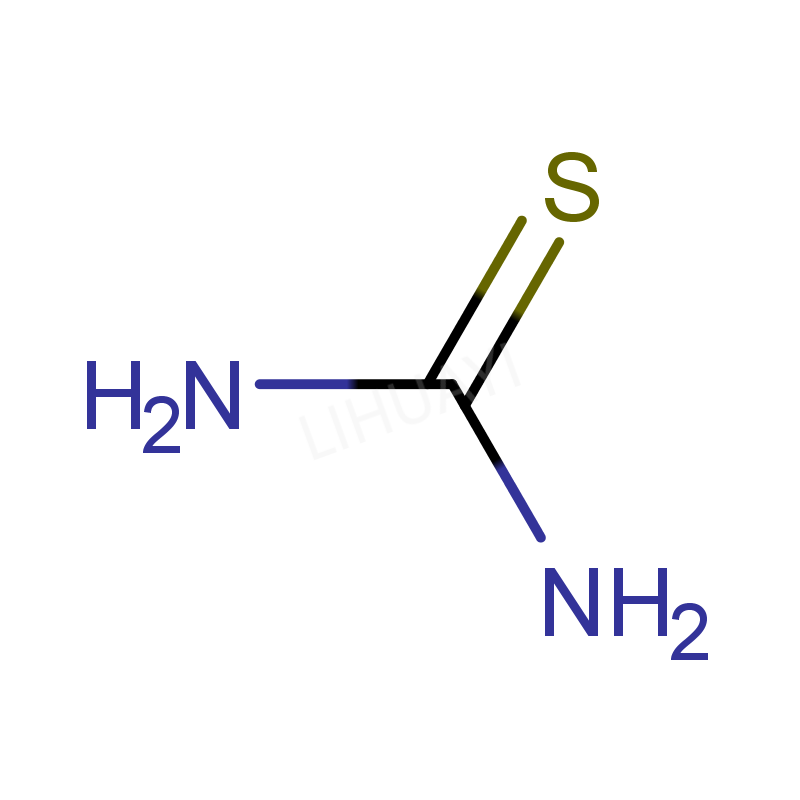
Product Description-Thiourea CAS#62-56-6
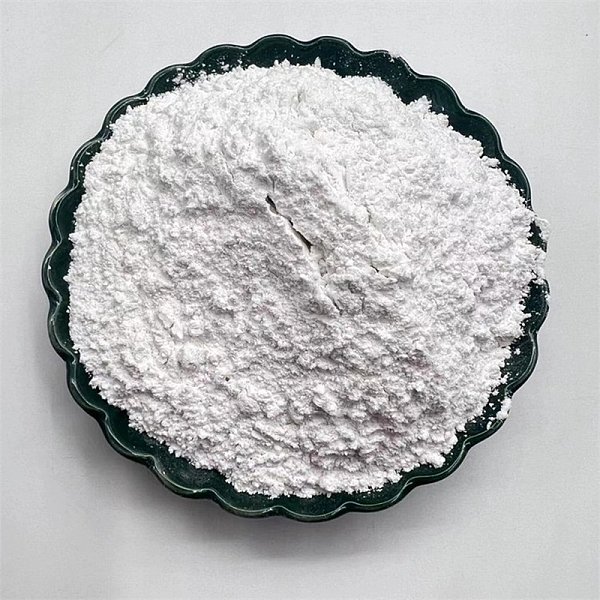
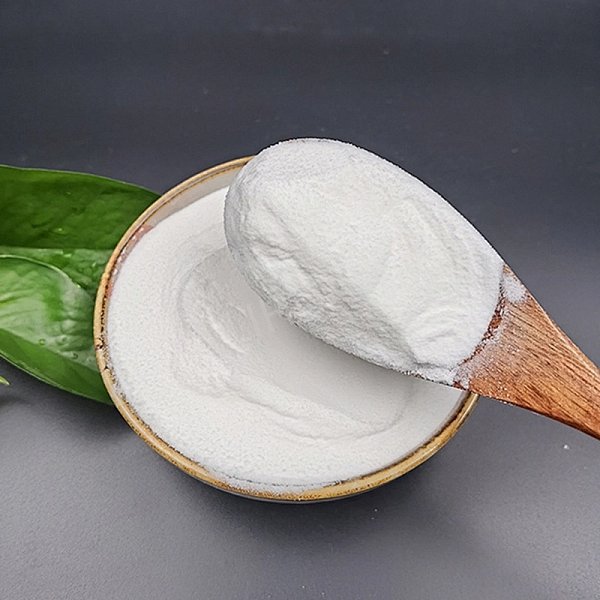
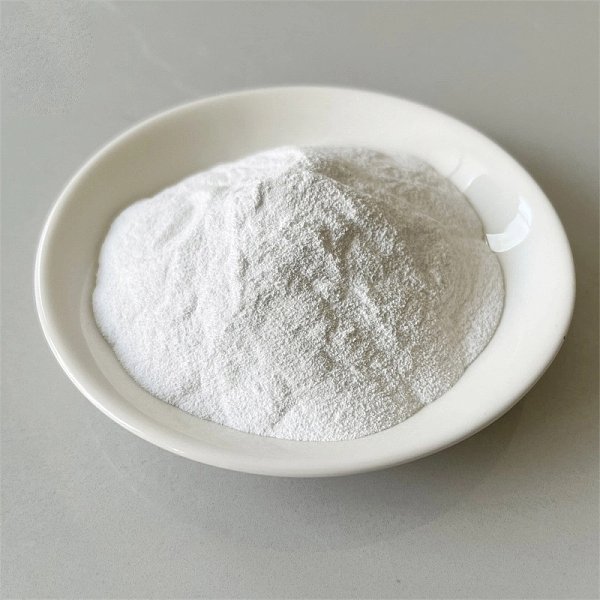
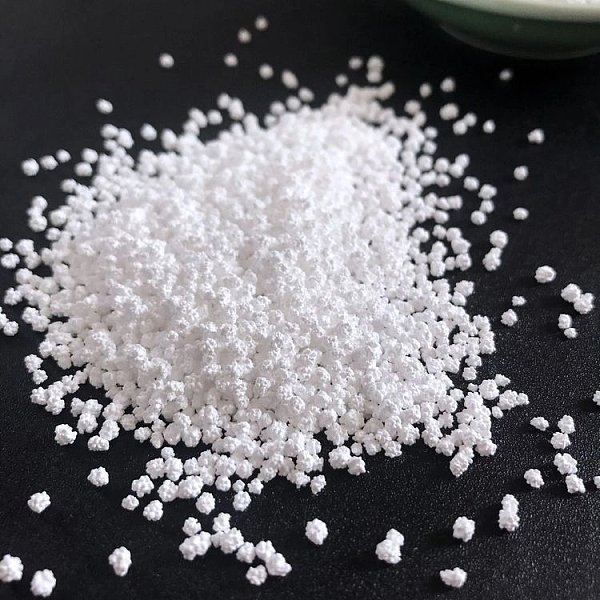
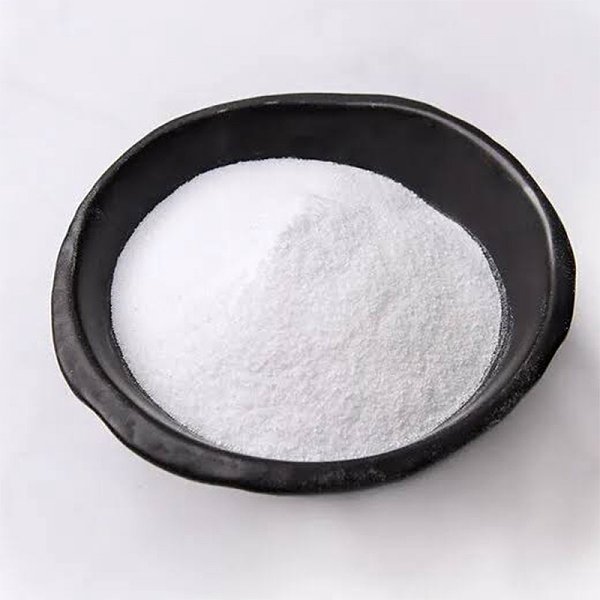
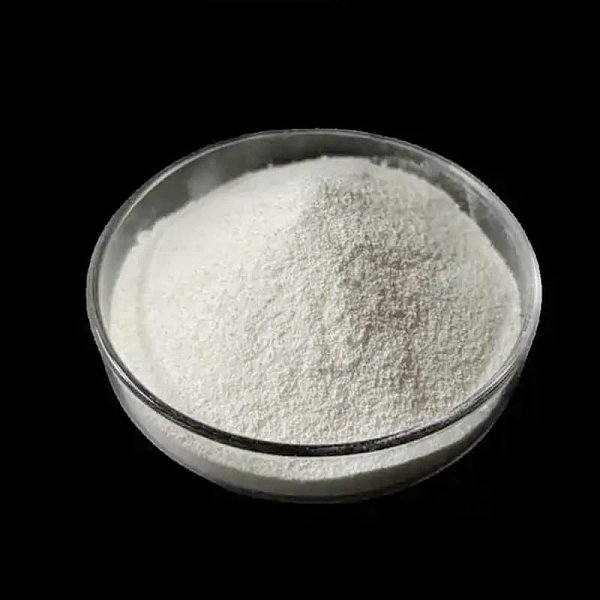
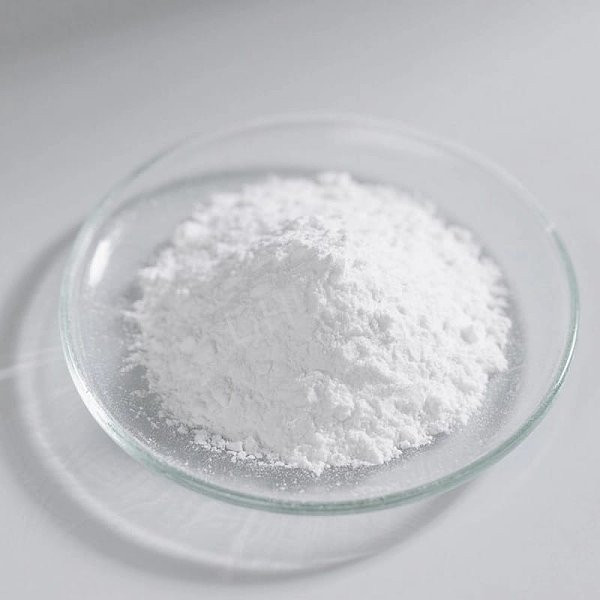
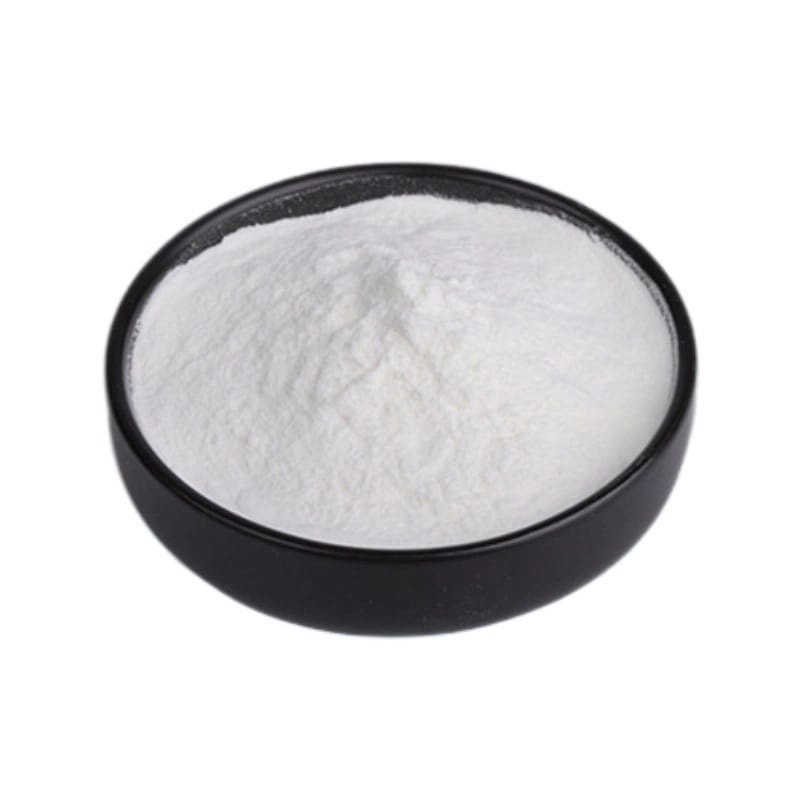
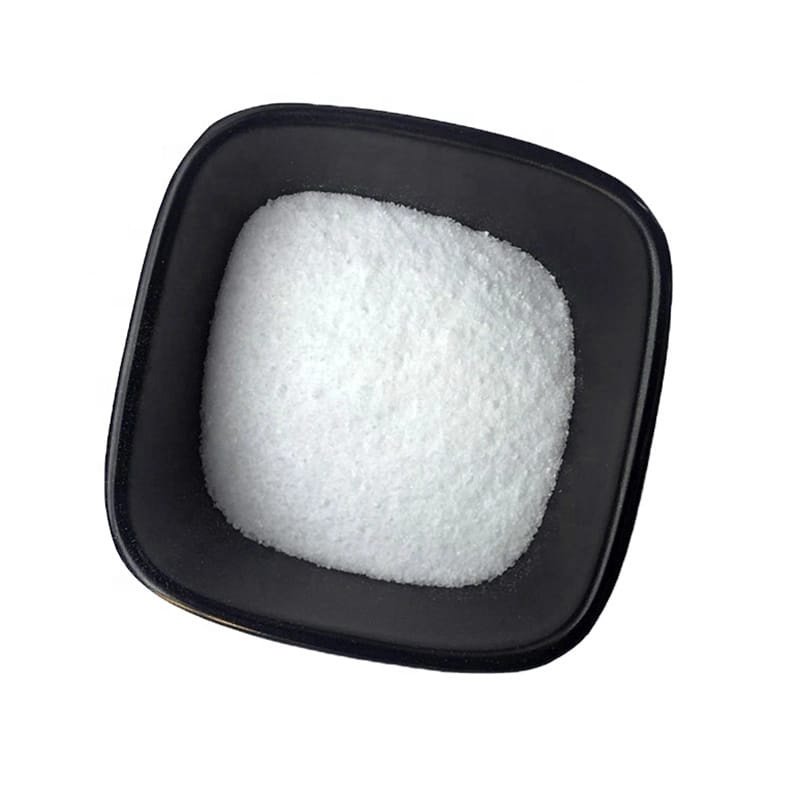
White or pale yellow, lustrous crystals in the form of flakes, columns, or needles; possess a bitter taste. Soluble in water and ethanol; practically insoluble in diethyl ether.
Product Applications-Thiourea CAS#62-56-6
Thiourea is a raw material for sulfathiazole, methionine and swine feed additives. It makes dyes, dye auxiliaries, resins and molding powders. It also acts as rubber vulcanization accelerator, ore flotation agent, catalyst for phthalic anhydride and fumaric acid, and metal corrosion inhibitor. It works as developer and toner for photography, and is used in electroplating. Further uses include diazo sensitized paper, resin coatings, anion exchange resins, germination stimulants, fungicides and fertilizers.
ABOUT THE PRODUCT
Product Data
Chemical Properties-Thiourea CAS#62-56-6
Safety Information-Thiourea CAS#62-56-6
ABOUT US
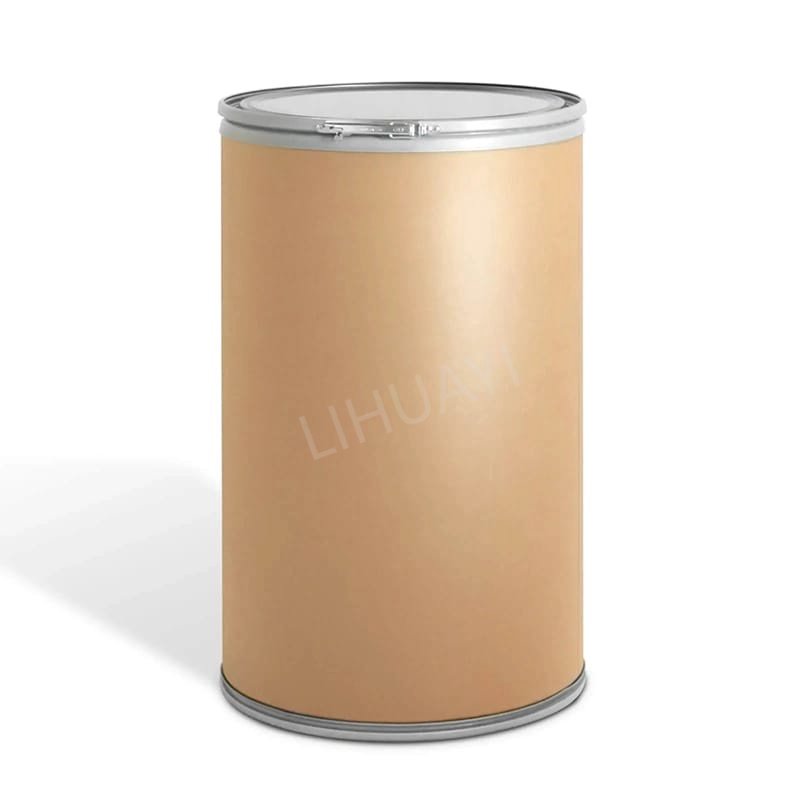
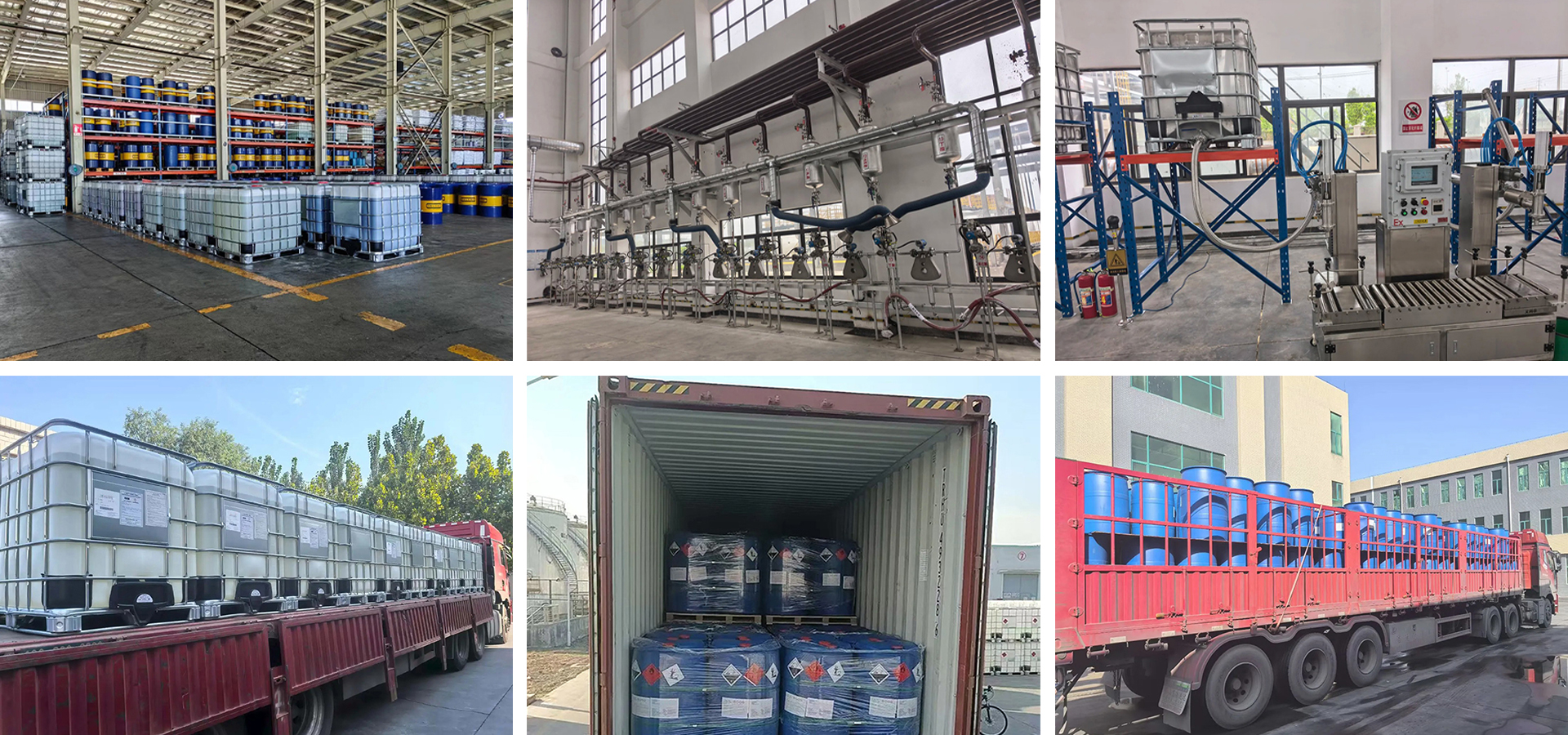
Shipped From the Factory
ABOUT THE PRODUCT
Contact Us
ABOUT US
Related Products