
Recent News
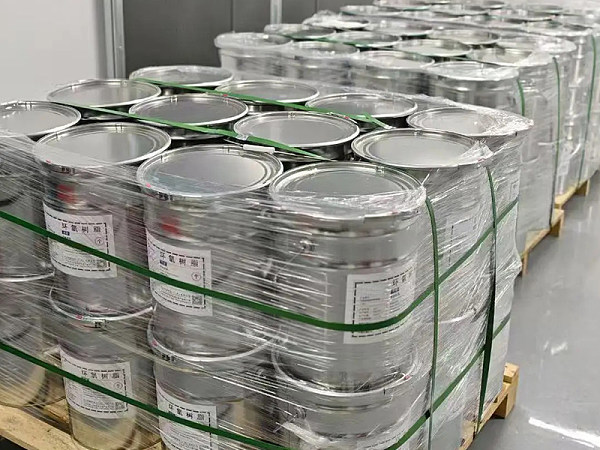
 South African Industrial Client Places Bulk Order for Lihuayi Epoxy Resin; China-Africa Chemical Cooperation DeepensRecently, a South African industrial materials purchaser finalized an order for epoxy resin from Lihuayi Chemical. This batch of high-quality, industrial-grade epoxy resin is set to be shipped to South Africa soon, where it will serve key industrial sectors such as anti-corrosion applications for mines, infrastructure coating, and composite material processing.
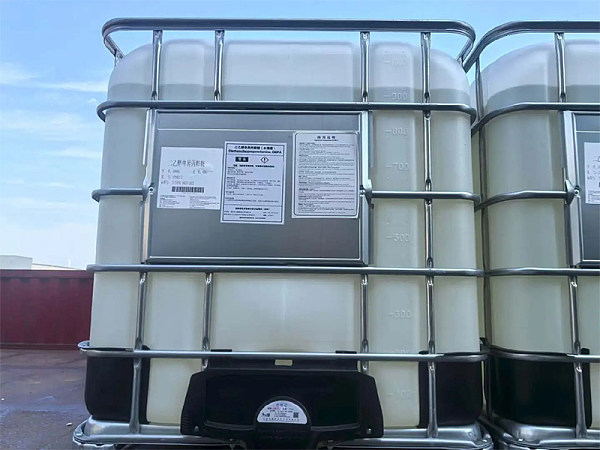
- Vietnamese Construction Material and Chemical Client Purchases Chinese DEIPA; China-Vietnam Fine Chemical Trade Continues to ExpandRecently, a Vietnamese buyer in the construction materials and chemicals sector finalized an order for Diethanol-monoisopropanolamine (DEIPA) from Lihuayi Chemical. This shipment of high-performance cement grinding aids will soon be transported to Vietnam via border crossings and maritime routes to serve the local cement production and concrete admixture industries.
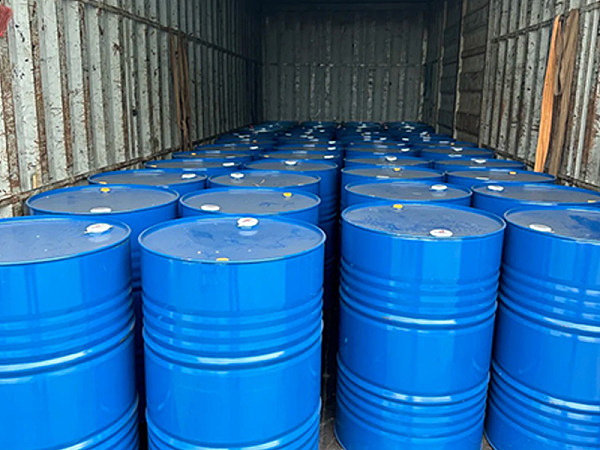
- South Korean Client Purchases Full Container of Chinese Industrial Silicone Oil; Fine Chemical Trade Remains StableA South Korean chemical buyer recently completed a bulk purchase of industrial-grade silicone oil from China. The goods have been loaded into containers and are ready for shipment to South Korea via sea freight, where they will supply downstream sectors such as textile auxiliaries, raw materials for daily chemicals, and industrial mold release and defoaming agents.
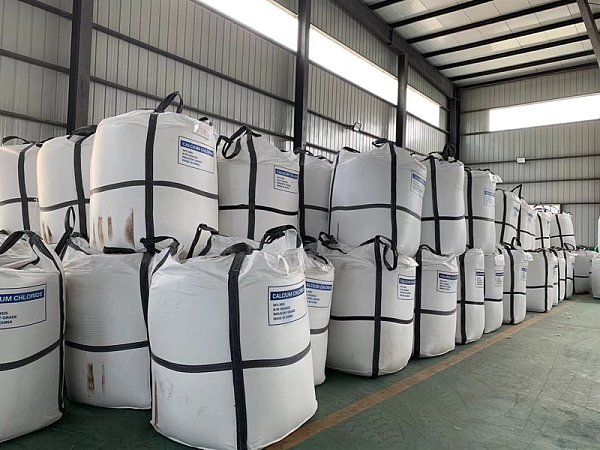
- Calcium Chloride Series: A Versatile Cornerstone of the Chemical Industry and a "Powerhouse All-Rounder" Across SectorsWhen people hear "calcium chloride," their first impression is often limited to desiccants—seemingly ordinary products. In reality, however, the series encompasses three mainstream specifications (anhydrous, dihydrate, and hexahydrate) and serves as a universal chemical raw material spanning infrastructure, chemicals, food processing, refrigeration, and environmental protection.

Sodium metasilicate nonahydrate (CAS: 13517-24-3) is a core inorganic functional additive in the detergent and personal care sector. Thanks to its multifaceted performance—including excellent alkaline buffering, water softening, emulsification of oily soils, soil dispersion, and metal corrosion inhibition—it serves as a key raw material for phosphorus-free detergents, industrial heavy-duty degreasers, textile degreasing agents, and food processing equipment cleaners. Compared to traditional phosphate additives, its advantages—such as environmental friendliness, low cost, and high compatibility—perfectly align with the industry's current shift toward phosphorus-free and low-carbon operations. Currently, the detergent and personal care sector accounts for over 58% of its total downstream consumption, making it an indispensable basic chemical raw material for the industry.
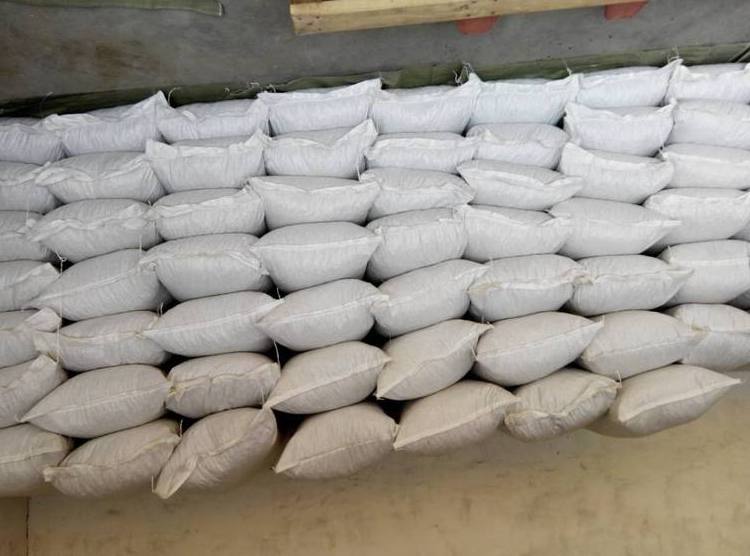
I. Basic Product Characteristics (Key Attributes Suited for Detergents)
Sodium metasilicate nonahydrate appears as uniform white crystalline granules. It is readily soluble in water but insoluble in organic solvents like ethanol; its aqueous solution is strongly alkaline and maintains a stable pH buffering system. Chemically stable, the product offers exceptional emulsification, wetting, dispersion, suspension, and chelation capabilities, alongside antibacterial and corrosion-inhibiting properties. It is phosphorus-free, biodegradable, non-toxic, and low-irritation, fully complying with safety standards for detergent raw materials; thus, it serves as an ideal, eco-friendly alternative to traditional sodium tripolyphosphate.
Unlike anhydrous or pentahydrate sodium metasilicate, the nonahydrate form features a high water-of-crystallization content, resulting in superior water solubility, rapid dissolution without caking or residue, and enhanced formulation compatibility. It requires no pre-treatment, suits various production processes for both consumer detergents and industrial cleaning agents, and offers significant cost-performance advantages.
II. Core Functional Mechanisms in the Detergent and Personal Care Industry
Stabilizing Alkaline Systems and Enhancing Degreasing and Cleaning Power
Stubborn soils—such as oils, proteins, and minerals—are predominantly acidic. Sodium metasilicate nonahydrate neutralizes these acidic soils through its inherent alkalinity, accelerates the saponification and decomposition of fats, and rapidly breaks down various types of oily grime. Its unique pH-buffering capability maintains a stable alkaline environment in the wash solution, preventing the loss of cleaning power caused by pH fluctuations. This significantly boosts the cleaning efficiency of surfactants, making it particularly suitable for cleaning heavy kitchen grease, industrial mineral oils, and oily residues on textile fibers.
2. Chelating Calcium and Magnesium Ions to Soften Hard Water
Calcium and magnesium ions present in natural water sources consume the active ingredients in detergents and lead to the formation of limescale and soap scum, thereby reducing cleaning effectiveness. Sodium metasilicate nonahydrate forms stable complexes with calcium, magnesium, iron, and other heavy metal ions. By softening the water at the source and preventing limescale formation, it avoids issues such as detergent deactivation, fabric stiffening, and equipment scaling, greatly enhancing the versatility of cleaning products across varying water quality conditions.
3. Dispersion and Suspension: Preventing Soil Redeposition
During the washing process, sodium metasilicate nonahydrate exerts strong dispersing and suspending effects on detached dust, grease, and solid particulates. By keeping these soils stably dispersed within the aqueous solution, it prevents them from re-adhering to or depositing on the surfaces of fabrics or utensils. This effectively resolves problems such as graying fabrics, residue buildup on utensils, and lingering stains, resulting in a significantly higher level of cleanliness.
4. Corrosion Inhibition and Protection of Substrates and Equipment
This is a key advantage that distinguishes sodium metasilicate nonahydrate from ordinary alkaline additives. Its aqueous solution forms a dense protective silicate film on the surfaces of metal, glass, ceramics, and fabrics, effectively inhibiting corrosive damage caused by alkaline wash solutions to metal equipment, tableware, cookware, and textile fibers. It prevents rust and corrosion in industrial piping and equipment while preserving the structural integrity of fabric fibers and preventing fabrics from aging or becoming stiff. 5. Inhibits bacterial growth and enhances cleaning safety
A stable, strongly alkaline environment inhibits the proliferation of bacteria and mold. When used in conjunction with surfactants, it synergistically boosts the cleaning agent's antimicrobial and soil-removal capabilities. It is suitable for the cleaning and disinfection of food processing equipment, tableware, and household environments, thereby improving the overall performance of consumer chemical products.
III. Specific Applications in Household and Personal Care Cleaning
1. Consumer Laundry Products (Laundry Powder, Laundry Paste, Concentrated Detergent)
As a core detergent builder, sodium metasilicate nonahydrate is a mainstream ingredient in phosphorus-free laundry powders and concentrated laundry pastes. It serves as a complete substitute for traditional sodium tripolyphosphate (STPP), addressing issues such as phosphorus pollution and water eutrophication. It softens water, enhances detergency, and prevents clothes from yellowing, stiffening, or re-adsorbing dirt after washing. Suitable for daily laundry and fabric restoration, it is a key raw material for eco-friendly household detergent formulations.
2. Household Heavy-Duty Degreasers (Kitchen and Home Cleaning)
Widely used in formulations for range hood cleaners, stovetop cleaners, and multi-purpose kitchen and bathroom cleaners, it rapidly breaks down and lifts animal and vegetable fats, solidified heavy grease, and stubborn, aged grime. It offers fast dissolution, leaves no residue, and is low-irritation; when combined with non-ionic surfactants, it creates highly effective yet gentle household cleaners suitable for various hard home surfaces.
3. Industrial Cleaning and Metal Degreasing
It serves as a key additive in industrial degreasers, metal degreasing agents, and machinery cleaners, effectively removing mineral oils, anti-rust oils, and polishing waxes from hardware, steel, and aluminum surfaces. Leveraging dual-action emulsification-degreasing and corrosion inhibition, it leaves metal surfaces clean and residue-free without corroding the substrate, making it ideal for industrial batch cleaning operations.
4. Food Processing and Tableware Cleaning
High-purity sodium metasilicate nonahydrate is suitable for formulations used to clean food processing equipment, tableware, and kitchenware. Safe and non-toxic, it thoroughly removes dirt, rapidly breaking down food fats and protein residues while offering antibacterial properties. It rinses off easily without leaving residue, meeting safety standards for cleaning applications involving food contact. 5. Textile Pre-treatment Auxiliaries for Dyeing and Printing
Used in the scouring, degreasing, and bleaching pre-treatment of cotton yarns, chemical fibers, and fabrics, these auxiliaries efficiently remove textile sizing agents, natural oils, and impurities from fiber surfaces. They stabilize the pH of the bleaching system and act as peroxide bleaching stabilizers, preventing fabric yellowing and fiber damage while enhancing fabric whiteness and the adhesion of subsequent dyes.
IV. Formulation Advantages and Industry Value
1. Eco-friendly and Compliant: Phosphorus-free, pollution-free, and biodegradable; it completely avoids environmental restrictions associated with phosphate additives and meets domestic and international environmental standards for household and personal care products, making it the preferred additive for phosphorus-free detergent formulations.
2. Excellent Formulation Compatibility: It can be combined with various ingredients—such as anionic and non-ionic surfactants, chelating agents, and stabilizers—without phase separation or loss of efficacy. It is suitable for the production of liquid, paste, and solid detergent products.
3. Outstanding Cost-Performance Ratio: Raw material costs are lower than those of organic chelating agents or anhydrous sodium metasilicate. With flexible dosage requirements and significant cleaning-enhancing effects, it effectively reduces formulation production costs for manufacturers.
4. Multifunctional Performance: A single ingredient offers multiple benefits—including cleaning, water softening, dispersing, corrosion inhibition, and antibacterial properties. This simplifies detergent formulation systems, reduces the need for complex additive blends, and enhances production efficiency.
V. Precautions for Use and Storage
1. Sodium metasilicate nonahydrate is an alkaline inorganic raw material. When preparing cleaning solutions, it is recommended to dissolve it at ambient temperature; excessively high water temperatures can accelerate the loss of water of crystallization, thereby affecting performance.
2. Store in a cool, dry, and well-ventilated warehouse in a sealed container; prevent moisture absorption and caking, and avoid contact with acidic substances, which could trigger reactions and render the product ineffective.
3. Wear alkali-resistant gloves and safety goggles during handling to avoid direct contact with skin and eyes; strictly prohibit mixing or co-storing with acidic additives.