
Recent News
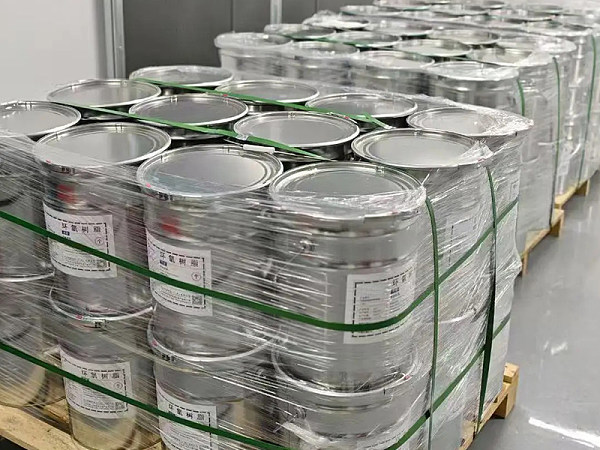
 South African Industrial Client Places Bulk Order for Lihuayi Epoxy Resin; China-Africa Chemical Cooperation DeepensRecently, a South African industrial materials purchaser finalized an order for epoxy resin from Lihuayi Chemical. This batch of high-quality, industrial-grade epoxy resin is set to be shipped to South Africa soon, where it will serve key industrial sectors such as anti-corrosion applications for mines, infrastructure coating, and composite material processing.
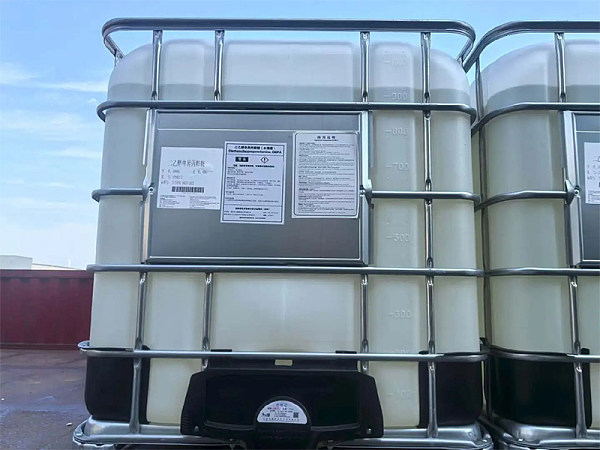
- Vietnamese Construction Material and Chemical Client Purchases Chinese DEIPA; China-Vietnam Fine Chemical Trade Continues to ExpandRecently, a Vietnamese buyer in the construction materials and chemicals sector finalized an order for Diethanol-monoisopropanolamine (DEIPA) from Lihuayi Chemical. This shipment of high-performance cement grinding aids will soon be transported to Vietnam via border crossings and maritime routes to serve the local cement production and concrete admixture industries.
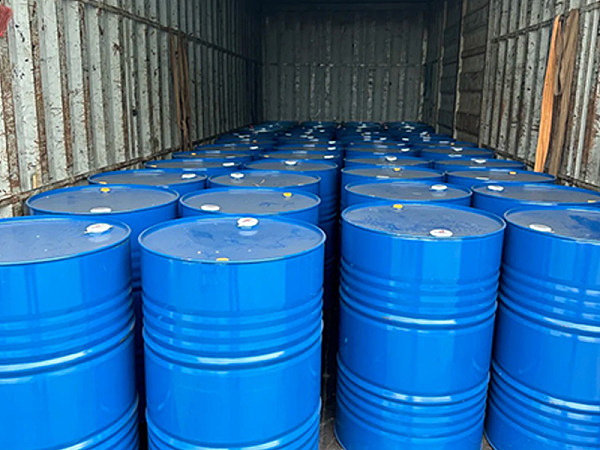
- South Korean Client Purchases Full Container of Chinese Industrial Silicone Oil; Fine Chemical Trade Remains StableA South Korean chemical buyer recently completed a bulk purchase of industrial-grade silicone oil from China. The goods have been loaded into containers and are ready for shipment to South Korea via sea freight, where they will supply downstream sectors such as textile auxiliaries, raw materials for daily chemicals, and industrial mold release and defoaming agents.
- Calcium Chloride Series: A Versatile Cornerstone of the Chemical Industry and a "Powerhouse All-Rounder" Across SectorsWhen people hear "calcium chloride," their first impression is often limited to desiccants—seemingly ordinary products. In reality, however, the series encompasses three mainstream specifications (anhydrous, dihydrate, and hexahydrate) and serves as a universal chemical raw material spanning infrastructure, chemicals, food processing, refrigeration, and environmental protection.
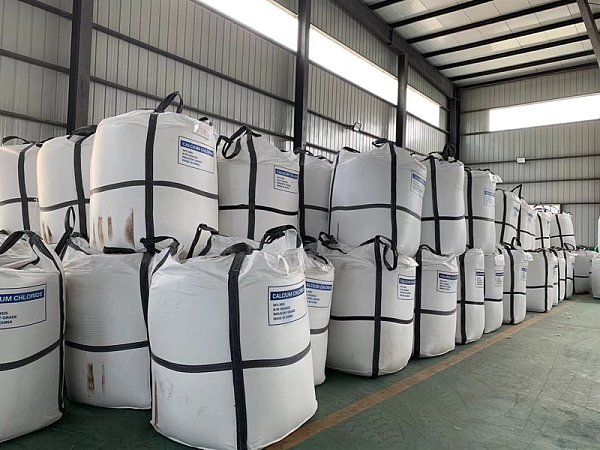

When people hear "calcium chloride," their first impression is often limited to desiccants—seemingly ordinary products. In reality, however, the series encompasses three mainstream specifications (anhydrous, dihydrate, and hexahydrate) and serves as a universal chemical raw material spanning infrastructure, chemicals, food processing, refrigeration, and environmental protection.
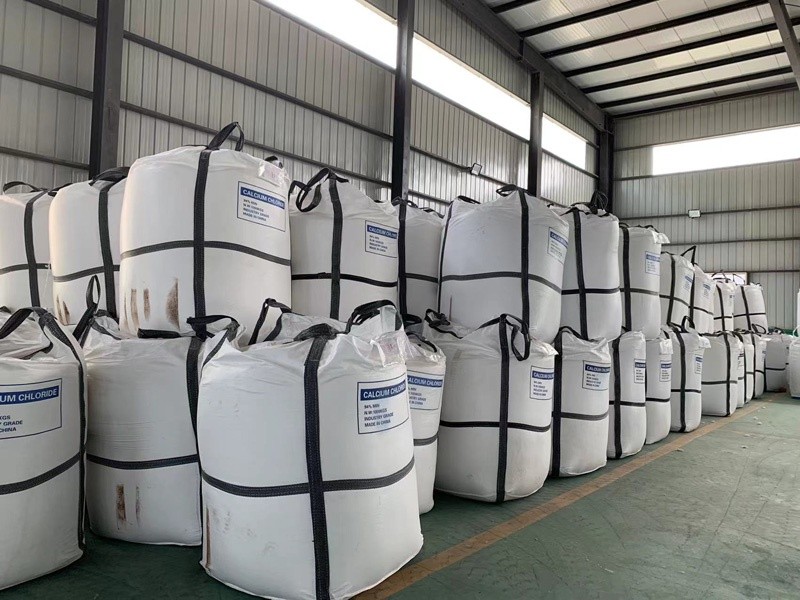
Anhydrous Calcium Chloride: A "Heavy-Duty Performer" in Moisture Absorption
Anhydrous calcium chloride boasts exceptional moisture-absorbing capabilities, making it a classic, high-efficiency industrial desiccant.
In chemical manufacturing, it is used to dry industrial gases—such as nitrogen, oxygen, and hydrocarbons—by removing moisture from the system to prevent interference with reactions; it is also indispensable for the dehydration and purification of organic solvents.
It excludes moisture during organic synthesis and reagent preparation, ensuring reaction stability. Additionally, it serves as a raw material for producing calcium salts and construction antifreeze agents; thanks to its ultra-low water content, it is ideal for production scenarios with strict moisture requirements, standing out as the most potent moisture absorber among the three types.
Calcium Chloride Dihydrate: The Mainstream Industrial Standard
Calcium chloride dihydrate offers a balanced performance profile and the widest range of applications.
In the chemical industry, it serves as a raw material for refrigerants, used alongside brine to prepare cooling circulation fluids; it also functions as a flocculant in wastewater treatment to precipitate impurities. In oilfield operations, it is used in drilling fluids to stabilize geological formations. Combining high performance with cost-effectiveness, it has become the long-standing preferred specification for many factories.
Calcium Chloride Hexahydrate: A Preferred Raw Material for Refrigeration Systems
With a higher content of water of crystallization, calcium chloride hexahydrate offers key advantages in temperature-controlled refrigeration applications.
It is widely used to formulate industrial refrigeration brines and central air-conditioning refrigerants, making it suitable for large-scale cold storage facilities and circulating cooling systems in chemical plants.
It also serves in agricultural soil improvement as a calcium supplement and finds use in light industry as a fabric sizing agent and an anti-sticking aid for paper production. Its mild, stable nature and relatively controllable corrosivity make it ideal for long-term, continuous-cycle refrigeration operations.
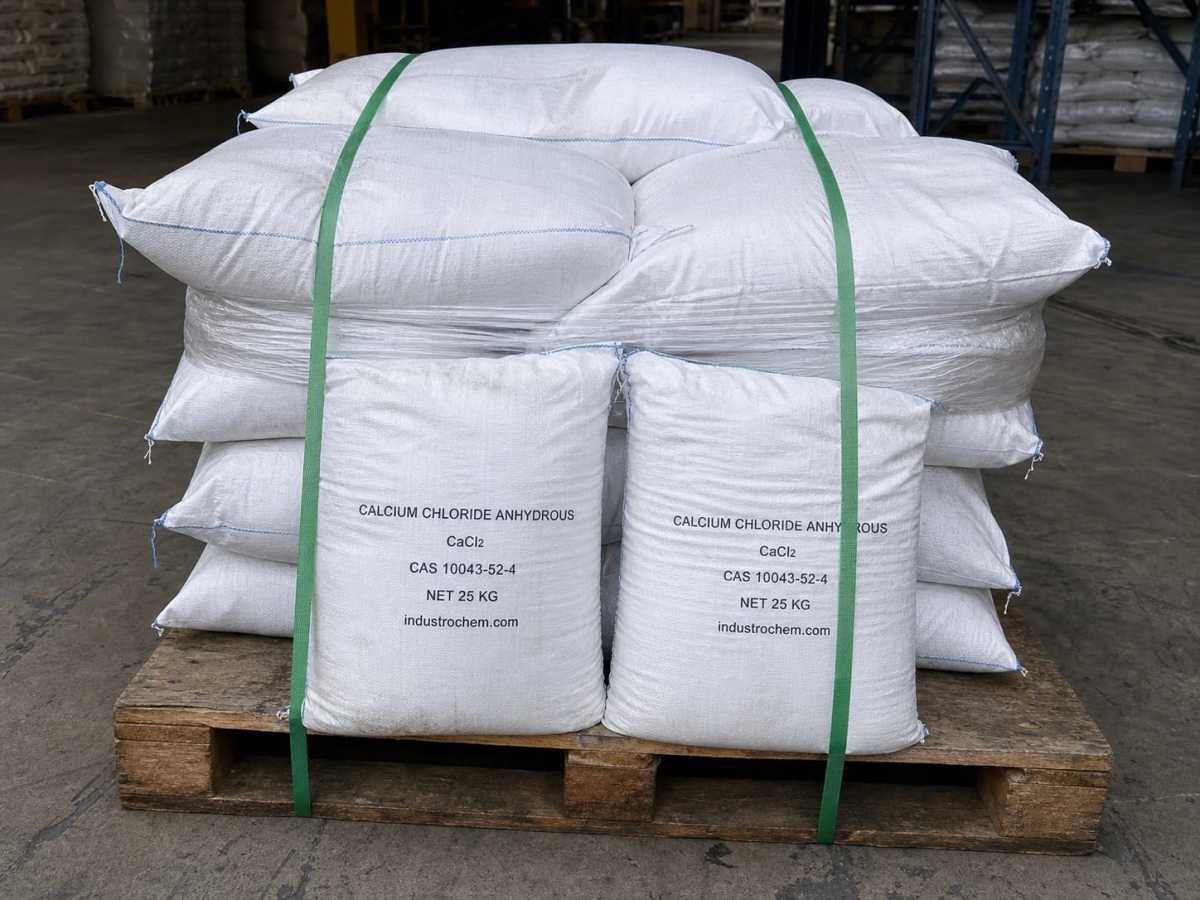
Infrastructure and Transportation: A Key Agent for Cold Protection and De-icing
Calcium chloride products excel in anti-freezing and de-icing applications for roads and bridges during harsh winters. Compared to standard snow-melting materials, they offer higher de-icing efficiency and remain effective at lower temperatures. They are extensively used for anti-freezing operations on highways, factory roadways, and bridges, ensuring safe travel and the integrity of infrastructure during winter. In concrete admixture systems, the appropriate addition of calcium chloride accelerates curing, enabling normal construction operations even in low-temperature environments.
Food and Pharmaceuticals: Compliant Calcium Source and Excipient (Food-Grade)
Food-grade anhydrous and dihydrate calcium chloride have diverse applications: they act as coagulants in the production of soy products like tofu and dried bean curd, and serve as food additives in beverages and canned goods to provide thickening and calcium fortification.
In the pharmaceutical sector, they serve as raw materials for calcium supplements and as pharmaceutical excipients; they are also used for drying medical gases. Strict purity controls ensure compliance with safety standards for industries vital to public well-being.
Environmental Protection and Water Treatment: An Aid for Water Purification and Sedimentation
Upon dissolving in water, calcium chloride releases calcium ions that bind with phosphates and fluoride ions. This effectively removes phosphorus pollution and addresses excessive fluoride levels, making it widely used in advanced industrial wastewater treatment.
It also reduces the solubility of heavy metals in sewage and aids in sludge sedimentation, helping enterprises meet discharge compliance standards; it is a cost-effective water purification agent commonly used in wastewater treatment.
Chemicals and New Materials: A Base Raw Material
All three forms of calcium chloride serve as base raw materials for producing various calcium-based chemicals, such as calcium carbonate and calcium nitrate; they are used as coagulants in rubber production and to stabilize drilling fluids and inhibit clay swelling in the petroleum industry.
Anhydrous calcium chloride is a key raw material in the market for desiccants, desiccant granules, and dehumidifier box contents, finding applications in both industrial manufacturing and everyday household use.