Excellent Solvent Compatibility: Exhibits good miscibility with a wide range of organic solvents, including ethanol, ether, chloroform, acetone, and glacial acetic acid, enabling versatile formulation applications.
Good Water Solubility: Demonstrates solubility in water, providing enhanced flexibility for aqueous and mixed-solvent systems.
Stable Physical Properties: Features a defined boiling point of 140.4℃, melting point of -23℃, refractive index of 1.4520, and relative density of 0.975, ensuring reliable handling characteristics.
High Chemical Reactivity: Possesses active chemical properties, making it suitable for applications requiring effective reactivity and functional performance.
Quality Assurance
Rigorous quality control and full regulatory compliance assured.
Sustainable Development
Sustainable processes cut waste, lower emissions, and save costs.
Specialty Solutions
Tailored fine chemicals that enhance efficiency and outcomes.
Chemical Manufacturer
A trusted manufacturer capable of stable, high-volume production and supply.

ABOUT THE PRODUCT
Product Description
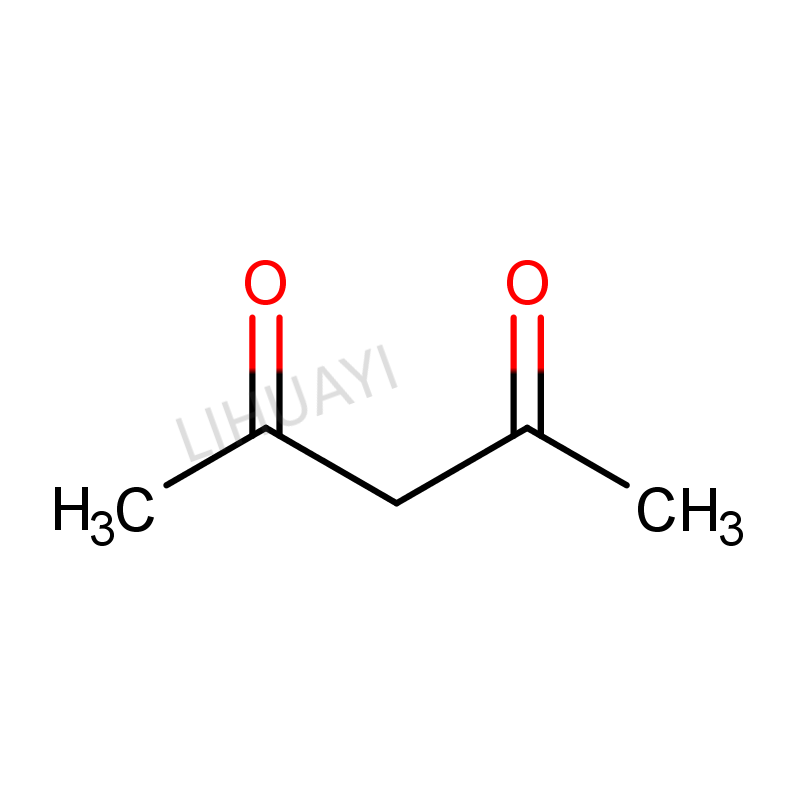
Product Description-Acetylacetone CAS#123-54-6
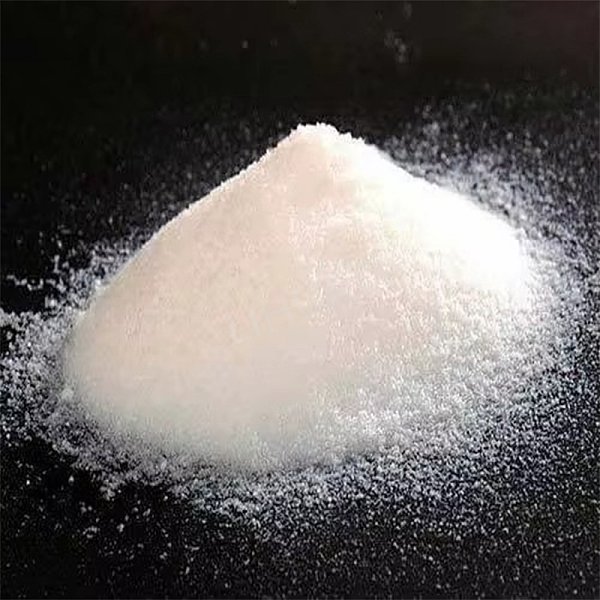
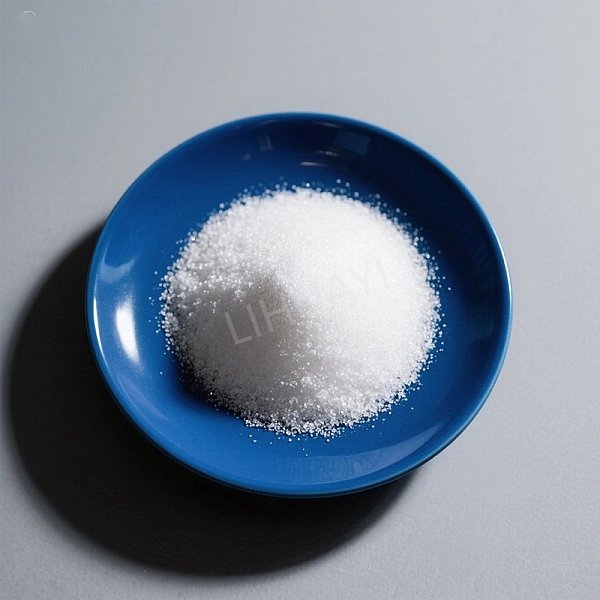
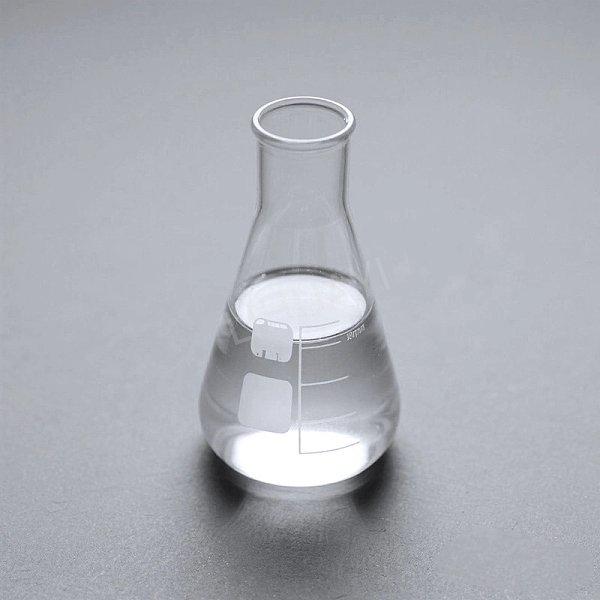
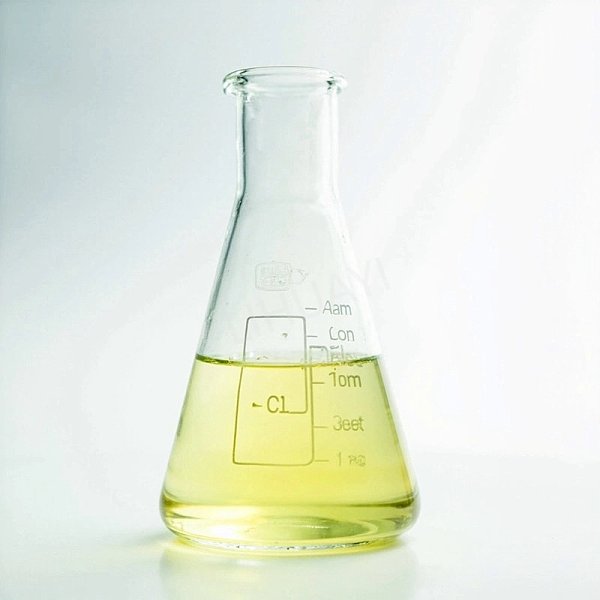
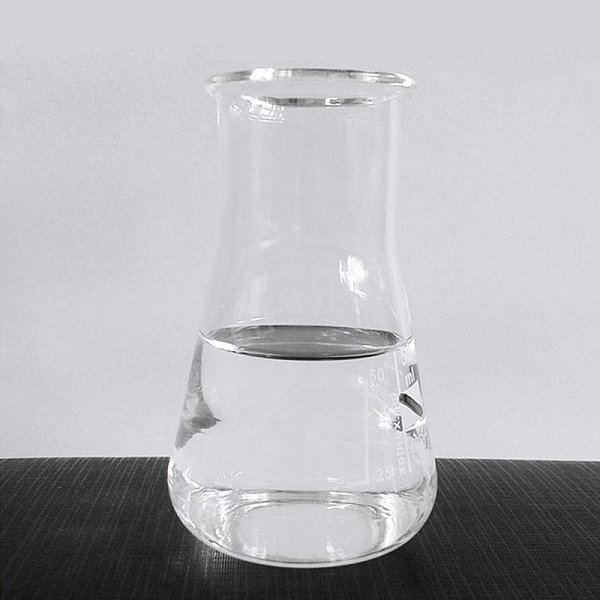
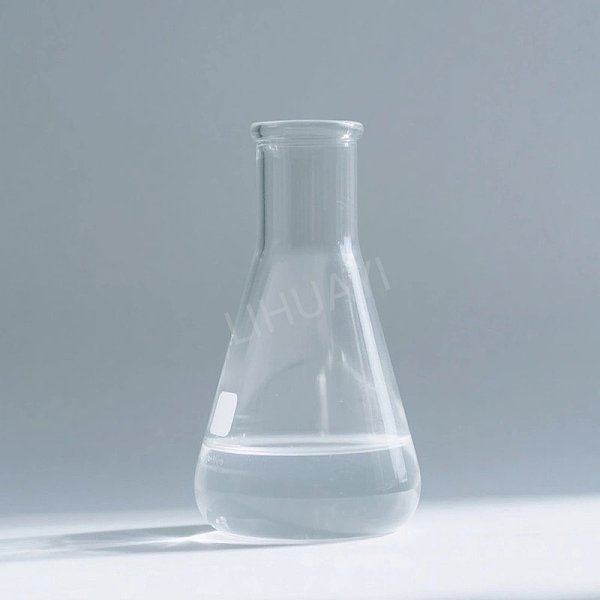
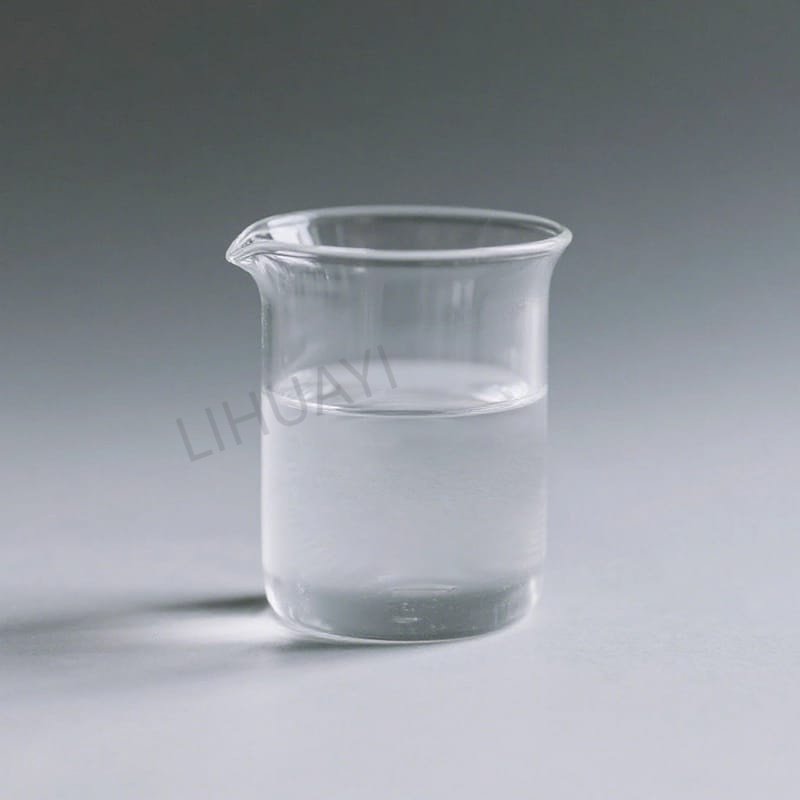
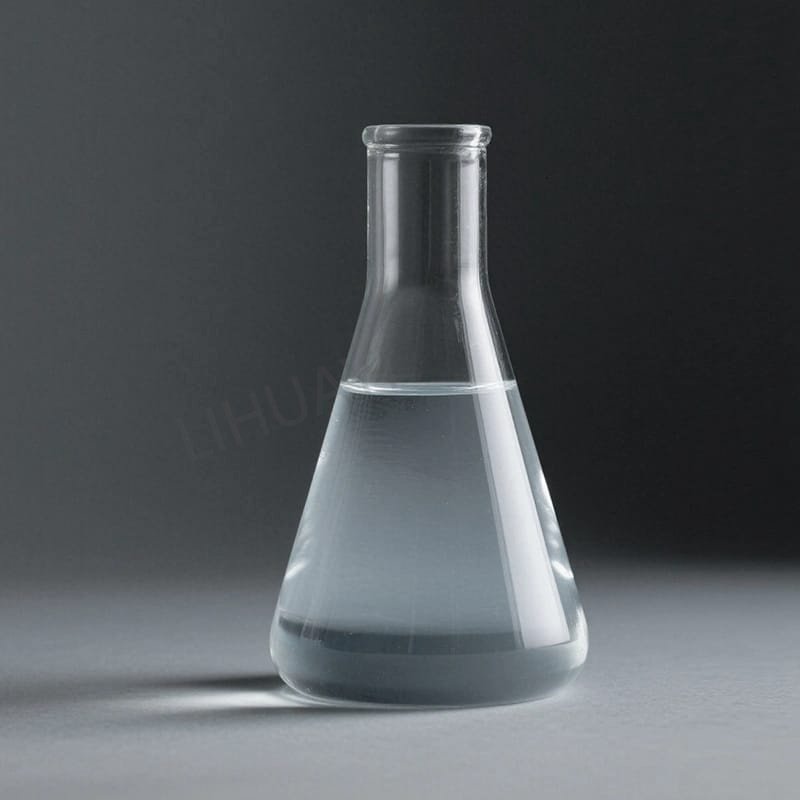
Acetylacetone is a colorless-to-pale-yellow clear liquid with a characteristic unpleasant odor. Its key properties include: melting point −23 ℃, boiling point 140.4 ℃, refractive index (n²⁰D) 1.4520, and relative density 0.975.
Miscible with ethanol, ether, chloroform, acetone and glacial acetic acid, it is also water-soluble. The substance is flammable and corrosive.
Product Applications-Acetylacetone CAS#123-54-6
Acetylacetone is a key organic-synthesis intermediate. It reacts with guanidine to form amino-4,6-dimethylpyrimidine and serves as a valuable pharmaceutical feedstock.
It also acts as a solvent for cellulose acetate, an additive for gasoline and lubricants, a drying agent for paints and varnishes, and a fungicide/insecticide. Additionally, it functions as a catalyst and oxidation promoter in petroleum cracking, hydrogenation and carbonylation.
Other uses include removing metal oxides from porous solids and treating polypropylene catalysts. In Europe and the US, over 50 % of acetylacetone is consumed in antidiarrheal medicines and livestock feed additives.
ABOUT THE PRODUCT
Product Data
Chemical Properties-Acetylacetone CAS#123-54-6
ABOUT US
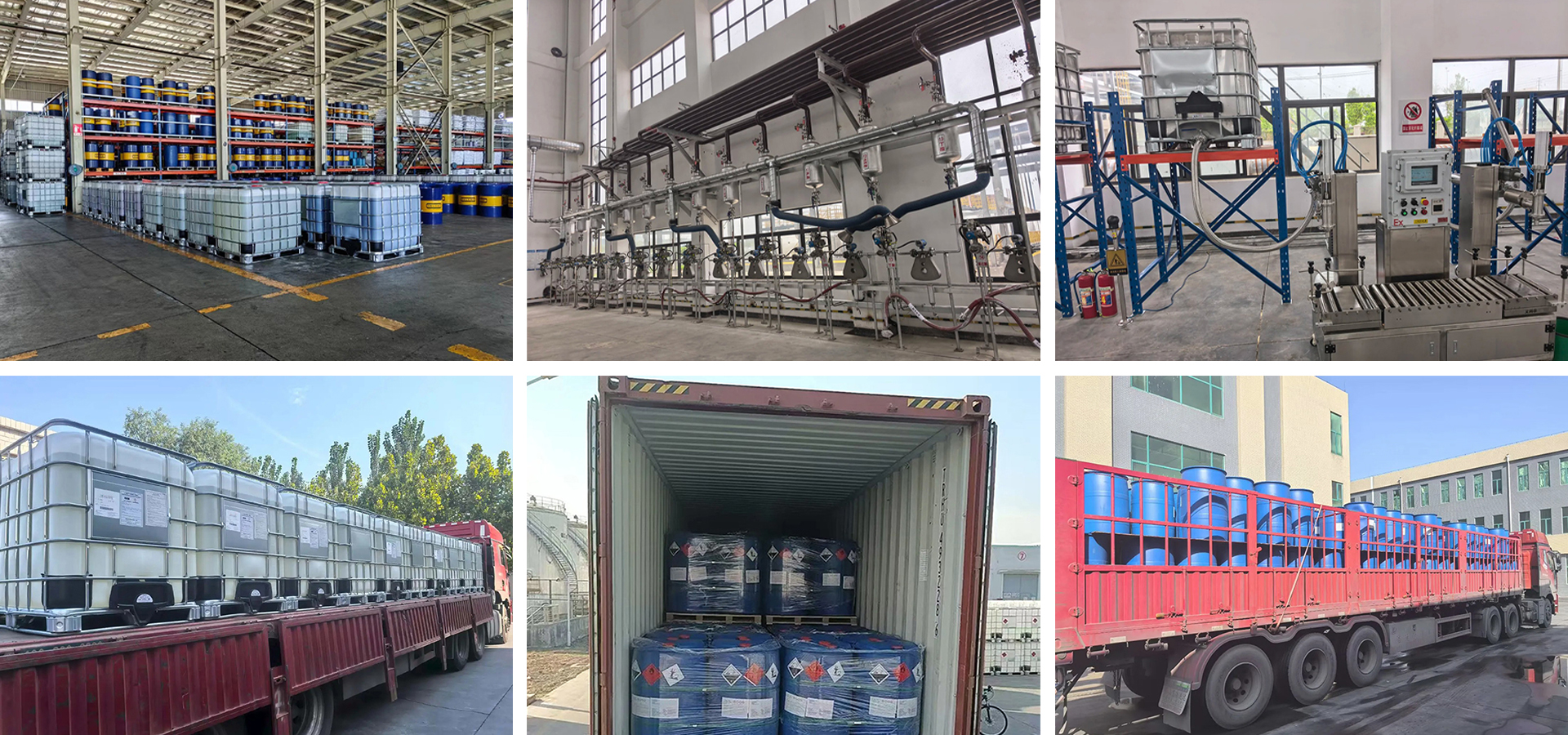
Shipped From the Factory
ABOUT THE PRODUCT
Contact Us
ABOUT US
Related Products