
NEWS
Recent News
 Uses of Food-Grade GlycerinGlycerin (also known as glycerol) is a colorless, transparent, and viscous liquid with the chemical formula C3H8O3, a molecular weight of 92.09, and CAS number 56-81-5. It has a boiling point of 290°C (decomposes), a relative density of 1.26362 (20/20°C), a refractive index of 1.4746, and a viscosity of 1499 mPa·s (at 20°C).
 Can pure glycerin be applied directly to the face?It is not recommended—and is even advised against—to apply high-concentration (>80%) pure glycerin directly to intact facial skin. Pure glycerin (glycerol) is a colorless, odorless, viscous liquid; as a natural moisturizing factor with strong hydrophilic properties, it can absorb moisture from the air and lock in moisture on the skin's surface, making it a common moisturizing ingredient in skincare products.
 Malaysian Chemical and Metallurgical Client Purchases Industrial-Grade Sodium Perchlorate from ChinaA buyer in the Malaysian chemical and metallurgical sector has recently finalized an order for industrial-grade sodium perchlorate from the Chinese company Lihuayi. This shipment of high-quality oxidizing agents is scheduled for imminent maritime transport to Malaysia, where it will support key industrial applications such as fine chemical synthesis, metallurgical mineral processing, and environmental water treatment.

I. Introduction to Food-Grade Glycerin
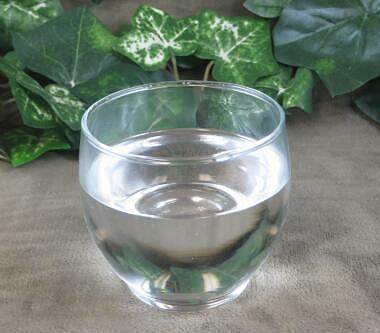
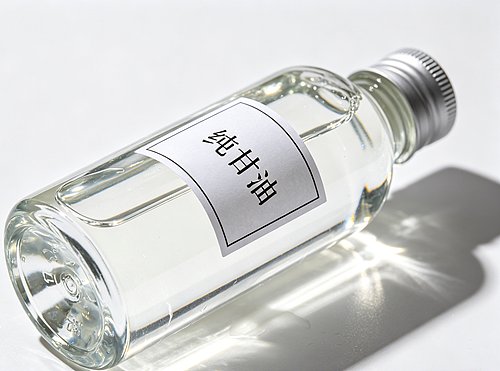
Glycerin (also known as glycerol) is a colorless, transparent, and viscous liquid with the chemical formula C3H8O3, a molecular weight of 92.09, and CAS number 56-81-5. It has a boiling point of 290°C (decomposes), a relative density of 1.26362 (20/20°C), a refractive index of 1.4746, and a viscosity of 1499 mPa·s (at 20°C). Glycerin is miscible with water and ethanol, and its aqueous solution is neutral. It is odorless and capable of absorbing moisture from the air. In nature, glycerin exists widely in animals and plants, primarily in the form of glycerides. Food-grade glycerin is commonly used in the food processing industry as a sweetener and humectant, imparting a smooth, pleasant mouthfeel and enhancing the sensory qualities of food products.
II. Specific Uses of Food-Grade Glycerin
1. Application in Bread, Cakes, and Similar Products
Food-grade glycerin acts as a humectant and moisture-retention agent in products like bread and cakes. Its strong hygroscopic properties help maintain a soft texture and extend shelf life. It is used by companies such as Panpan and Hsu Fu Chi. The recommended dosage is approximately 5–8%.
2. Application in Gum-Base Confectionery
This category primarily includes chewing gum and bubble gum, which are generally composed of sugar (or sugar alcohols), syrup, gum base, glycerin, flavoring agents, and colorants. Glycerin serves as a softener and emulsifier. The recommended dosage is 0.8–2%.
3. Application in Beverages (Fruit Juice, Fruit Vinegar, etc.)
Fruits contain tannins, which are the source of bitter and astringent off-flavors. Glycerin can rapidly neutralize these bitter and astringent notes in fruit juices and vinegars while enhancing the body, aroma, and visual brightness of the juice, resulting in a balanced sweet-and-sour taste. The recommended dosage is 0.8–1%.
4. Application in Alcoholic Beverages (Fruit Wine, Baijiu, Wine, etc.)
Used as a flavor enhancer, sweetener, and agent to eliminate bitterness and off-flavors, glycerin improves the overall quality of alcoholic beverages. Appropriate addition enhances the aroma, mellow sweetness, and richness of the liquor. Recommended dosage: 0.5–1.5%
5. Applications in the candied fruit and fruit paste industries
During processing and storage, candied fruits are prone to moisture loss, becoming dry and hard. Fruits naturally contain tannins. Food-grade glycerin rapidly inhibits the adverse effects of tannins in candied fruit, improves palatability, enhances natural aroma, elevates product quality, and boosts fresh sweetness and surface moistness. Glycerin also offers antioxidant and humectant properties, effectively locking in essential moisture and extending shelf life. The application method for fruit pastes is similar. Specific usage instructions: I. For candied fruits (sun-dried or oven-baked), mix food-grade glycerin with other ingredients during processing to marinate the fruit; the dosage is calculated at 1 kg of glycerin per 100 kg of product. II. For fruit pastes, add food-grade glycerin to the cooked paste mixture (at a ratio of 0.8–1 kg per 100 kg), stir thoroughly, and allow it to cool and set before packaging. Adding food-grade glycerin to these products yields excellent results regarding palatability, color, moisture retention, and antioxidant stability. Recommended dosage: 0.8–1%
6. Applications in the dried meat, sausage, and cured meat industries
Dried meat is a medium-moisture food. Traditional preservation methods often involve prolonged drying to reduce moisture content to around 16% (water activity Aw < 0.7); however, this inevitably results in a dry, hard texture, poor tenderness, and a grayish-white color. Adding glycerin as a humectant allows for higher moisture content while maintaining low water activity, thereby improving tenderness. Adding 3% food-grade glycerin keeps water activity (Aw) below 0.7 while maintaining a moisture content of 20%, resulting in a soft texture and improved tenderness.
During processing, dilute the glycerin with grain-based spirits (at least 50% ABV), then spray it evenly onto the meat or sliced meat pieces and knead or mix thoroughly. It helps retain moisture and hydrate the product, increases weight, extends shelf life, and enhances texture, color, and aroma. Recommended dosage: 1.2–3%.
Specific usage instructions: I. For cured meat jerky or slices: First, roast the meat until it reaches the target moisture level. Remove it and evenly spray food-grade glycerin onto the surface. Massage the product before proceeding with further processing. Dosage: Add 1.2–1.5 kg of this product per 100 kg of meat. II. For sausages: For every 100 kg of chopped meat, mix 1.2 kg of food-grade glycerin with 500 ml of grain-based spirit (at least 50% ABV). Thoroughly blend this mixture into the meat, add other required ingredients, mix again, and proceed to the sausage-stuffing stage.
7. Application in pet food
Dried chicken tenderloin is a popular pet snack in Europe and North America. my country is the leading producer and exporter of this product, with an annual output approaching 100 million tons. Western markets impose strict requirements on pet food, demanding compliance with specific physicochemical standards and high aesthetic quality. The product must have a reddish, smooth appearance and be free from fat, bruising, white fibers, or cracking. Adding food-grade glycerin as a humectant effectively prevents cracking and improves the product's appearance. Incorporating approximately 2% food-grade glycerin yields the ideal visual quality for dried chicken tenderloin.
8. Application in Chinese and Western pastries and flour-based products
Adding appropriate amounts of food-grade glycerin to flour-based products—particularly items like frozen dumpling wrappers and steamed buns—acts effectively as a humectant and emulsifier. It prevents cracking during freezing, imparts a unique flavor, ensures a soft and delicious texture, and enhances overall palatability. Recommended dosage: Approximately 1% of the flour weight.
9. Applications in other food sectors
It serves as a solvent, humectant, and color carrier in the food industry. In flavored and colored foods, glycerin's viscosity aids in product shaping and formation. In the rapid freezing of food, glycerol can serve as a heat-transfer medium that comes into direct contact with the food. It also functions as a lubricant for food processing and packaging machinery. In tobacco products—particularly cigars—glycerol is used as a humectant to maintain moisture, prevent brittleness, and enhance sweetness.