
NEWS
Recent News
 Uses of Food-Grade GlycerinGlycerin (also known as glycerol) is a colorless, transparent, and viscous liquid with the chemical formula C3H8O3, a molecular weight of 92.09, and CAS number 56-81-5. It has a boiling point of 290°C (decomposes), a relative density of 1.26362 (20/20°C), a refractive index of 1.4746, and a viscosity of 1499 mPa·s (at 20°C).
 Can pure glycerin be applied directly to the face?It is not recommended—and is even advised against—to apply high-concentration (>80%) pure glycerin directly to intact facial skin. Pure glycerin (glycerol) is a colorless, odorless, viscous liquid; as a natural moisturizing factor with strong hydrophilic properties, it can absorb moisture from the air and lock in moisture on the skin's surface, making it a common moisturizing ingredient in skincare products.
 Malaysian Chemical and Metallurgical Client Purchases Industrial-Grade Sodium Perchlorate from ChinaA buyer in the Malaysian chemical and metallurgical sector has recently finalized an order for industrial-grade sodium perchlorate from the Chinese company Lihuayi. This shipment of high-quality oxidizing agents is scheduled for imminent maritime transport to Malaysia, where it will support key industrial applications such as fine chemical synthesis, metallurgical mineral processing, and environmental water treatment.
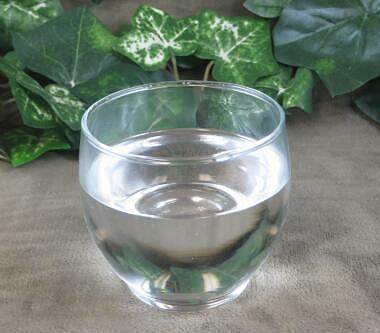
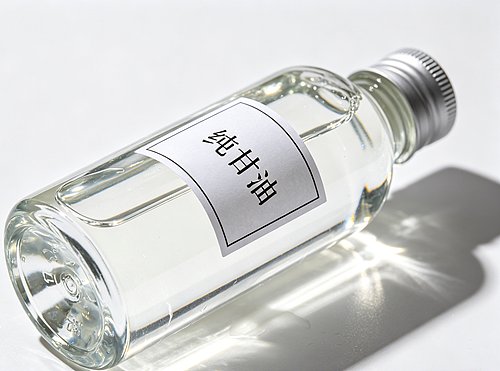


It is not recommended—and is even advised against—to apply high-concentration (>80%) pure glycerin directly to intact facial skin. Pure glycerin (glycerol) is a colorless, odorless, viscous liquid; as a natural moisturizing factor with strong hydrophilic properties, it can absorb moisture from the air and lock in moisture on the skin's surface, making it a common moisturizing ingredient in skincare products.
Pure glycerin typically has a concentration of 95%–100%. While chemically stable and non-irritating in itself, its high concentration results in intense hygroscopicity (moisture-absorbing ability) and high viscosity. These characteristics are the primary reasons why direct application to the face is not recommended: the high concentration can place an undue burden on the skin, making it unsuitable as a safe skincare choice for all situations.
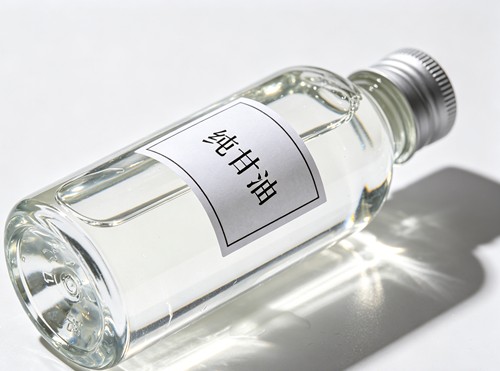
I. Key reasons why direct application of pure glycerin to the face is not recommended
Many people mistakenly believe that pure glycerin can be applied directly to the face. In reality, direct application of pure glycerin (95%–100% concentration) is not advised—even for dry skin types—for three main reasons:
First, its high hygroscopicity can cause it to draw moisture *out* of the skin. Pure glycerin relies on absorbing moisture to hydrate; in low-humidity environments (such as northern regions in autumn and winter, or air-conditioned rooms), high-concentration glycerin cannot extract sufficient moisture from the air. Instead, it draws moisture from the skin itself, causing the skin to become drier with use and potentially exacerbating dryness, flaking, and tightness—defeating the very purpose of moisturizing.
Second, its high viscosity can clog pores and burden the skin. Pure glycerin has a thick, sticky texture that does not absorb quickly; it forms a film on the skin's surface that feels tacky and may clog pores. This is particularly problematic for oily or combination skin, where it can easily trigger issues like blackheads, acne, and closed comedones. Even for dry skin, long-term direct use may impede the skin's natural metabolic processes.
Third, there is a potential risk of irritation for sensitive skin. Although pure glycerin is non-irritating, in high concentrations it alters the osmotic pressure of the skin's surface. This can irritate sensitive skin, causing redness, itching, or other discomforts; even with a patch test, one cannot entirely avoid issues regarding skin tolerance associated with long-term use.
II. Proper Method for Using Pure Glycerin on the Face
Pure glycerin must be diluted before application to the face; dilution reduces its irritation and viscosity while allowing it to effectively moisturize. Specific methods are as follows:
1. Dilution Ratio: Dilute with distilled or sterile water. For daily skincare, a ratio of 1:2 or 1:3 (1 part pure glycerin to 2–3 parts water) is recommended; those with sensitive skin may dilute it to 1:4 to lower the concentration and minimize irritation.
2. Skin Cleansing: Cleanse the face with a gentle cleanser to remove surface dust and oil, preventing impurities from mixing with the diluted glycerin and hindering absorption.
3. Proper Application: Apply an appropriate amount of the diluted glycerin evenly to the face and massage gently until fully absorbed. Limit usage to 2–3 drops per application to avoid a sticky residue caused by excess product.
4. Locking in Moisture: After applying glycerin, promptly follow up with a lightweight lotion or cream to further lock in moisture, enhance the hydrating effect, and reduce any sticky sensation on the skin.
III. Contraindications for Facial Use of Pure Glycerin
1. Do not apply high-concentration pure glycerin directly to the face. Regardless of skin type, direct application is not recommended, as it can draw moisture out of the skin and clog pores.
2. Do not use (whether diluted or not) on skin with abrasions, open wounds, or inflammation (such as eczema, acne, or sunburn). Glycerin may irritate damaged areas, exacerbate inflammation, and delay wound healing.
3. Avoid long-term, high-frequency use. Relying on glycerin for hydration over an extended period may reduce the skin's natural production of moisturizing factors and impair its inherent moisture-retention capabilities, leading to dependency. 4. Diluted glycerin should be prepared immediately before use; when stored, it must be kept in a sealed container away from light and high temperatures to prevent deterioration that could compromise safety. Do not use tap water for dilution, as this can promote bacterial growth.
IV. Summary
Applying pure glycerin directly to the face is not recommended; its high concentration, hygroscopic nature, and viscosity can place an undue burden on the skin, potentially leading to issues such as dryness or clogged pores. The correct approach is to dilute the glycerin and use it in conjunction with a lotion or cream, adjusting the dilution ratio according to your specific skin type. Whether you have oily, combination, sensitive, or dry skin, you should always follow the principle of diluting it before use—avoiding direct, indiscriminate application—to effectively moisturize the skin while maintaining its health.