Excellent Solvent Compatibility: IPDI is miscible with most common organic solvents, providing excellent formulation flexibility and compatibility across a wide range of industrial applications.
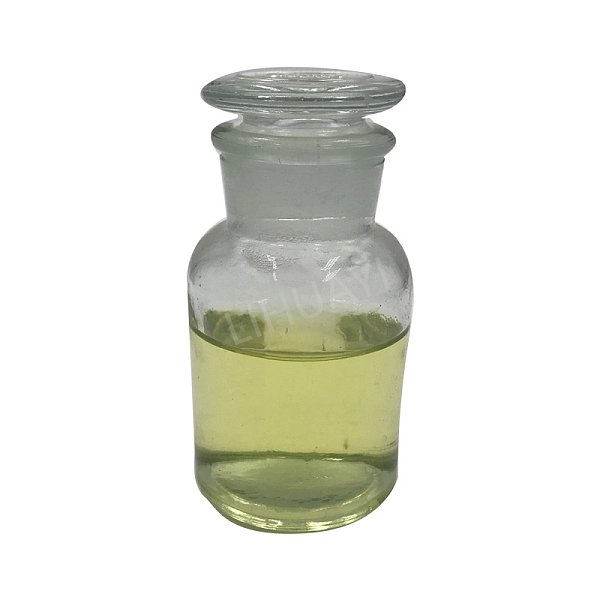
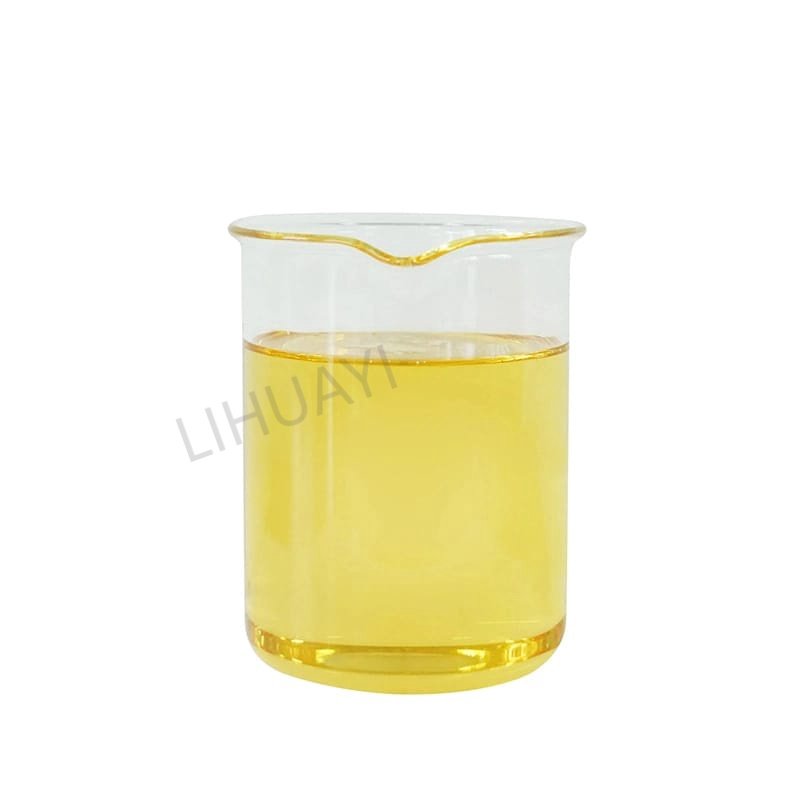
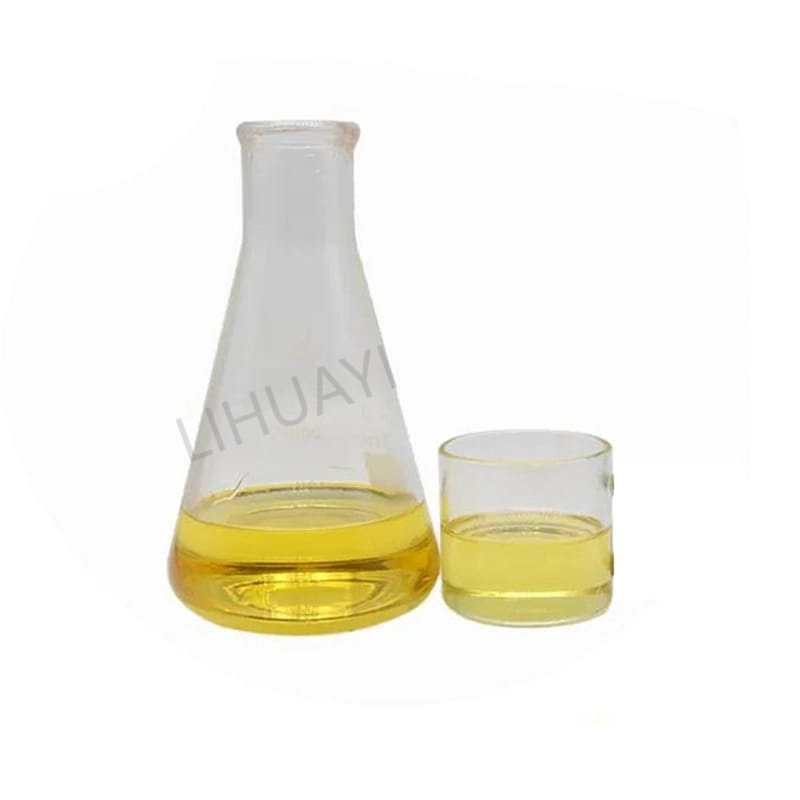
Stable Liquid Form:Supplied as a clear to pale-yellow liquid, IPDI is easy to handle, transport, and incorporate into various manufacturing processes.
Low Water Solubility:Its insolubility in water makes it suitable for moisture-sensitive formulations and applications requiring enhanced hydrolytic stability.
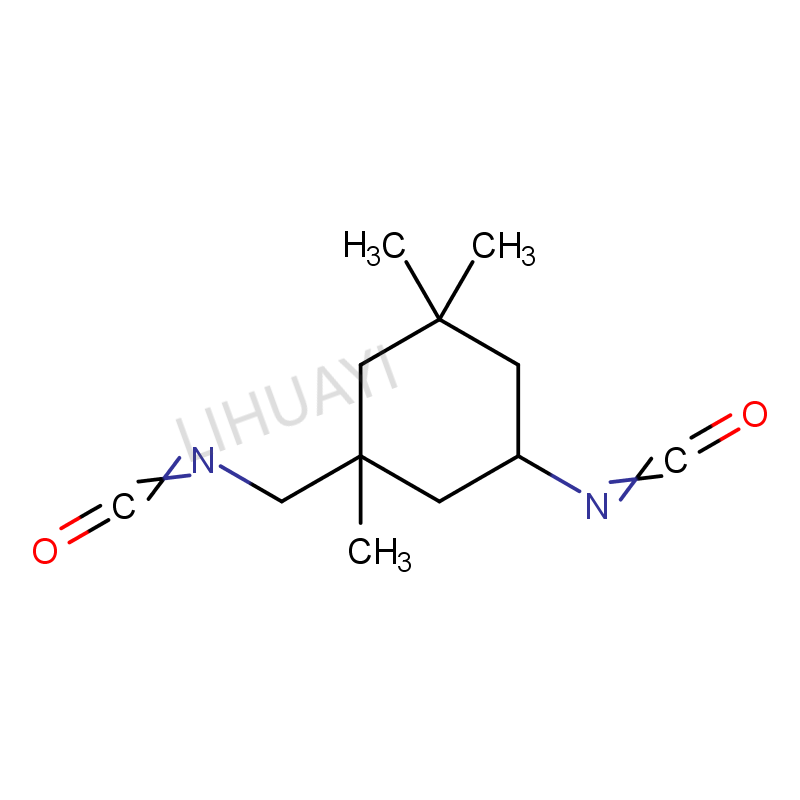
Well-Defined Molecular Structure: IPDI exists in both cis and trans conformers, offering a well-characterized chemical structure that supports consistent performance in polyurethane and specialty chemical production.
Quality Assurance
Rigorous quality control and full regulatory compliance assured.
Sustainable Development
Sustainable processes cut waste, lower emissions, and save costs.
Specialty Solutions
Tailored fine chemicals that enhance efficiency and outcomes.
Chemical Manufacturer
A trusted manufacturer capable of stable, high-volume production and supply.

ABOUT THE PRODUCT
Product Description
Product Description-Isophorone diisocyanate CAS#4098-71-9
Isophorone diisocyanate (IPDI, CAS 4098-71-9) is a clear-to-pale-yellow liquid with a characteristic camphor-like odor. It is insoluble in water but miscible with most common organic solvents, and exists in two conformational forms: cis and trans.
Product Applications-Isophorone diisocyanate CAS#4098-71-9
Isophorone diisocyanate (IPDI) is widely used to make high-performance polyurethanes with excellent stability, light-discoloration resistance and chemical resistance. In paints and varnishes it enhances hardness, flexibility, abrasion and chemical resistance, as well as chalking and weathering resistance.
It is also used in elastomers for casting compounds, mastics, highly flexible textile coatings and hard industrial coatings. Additionally, it goes into contactlens production and serves as a curing agent in various polyurethane systems.
ABOUT THE PRODUCT
Product Data
Chemical Properties-Isophorone diisocyanate CAS#4098-71-9
Safety Information-Isophorone diisocyanate CAS#4098-71-9
ABOUT US
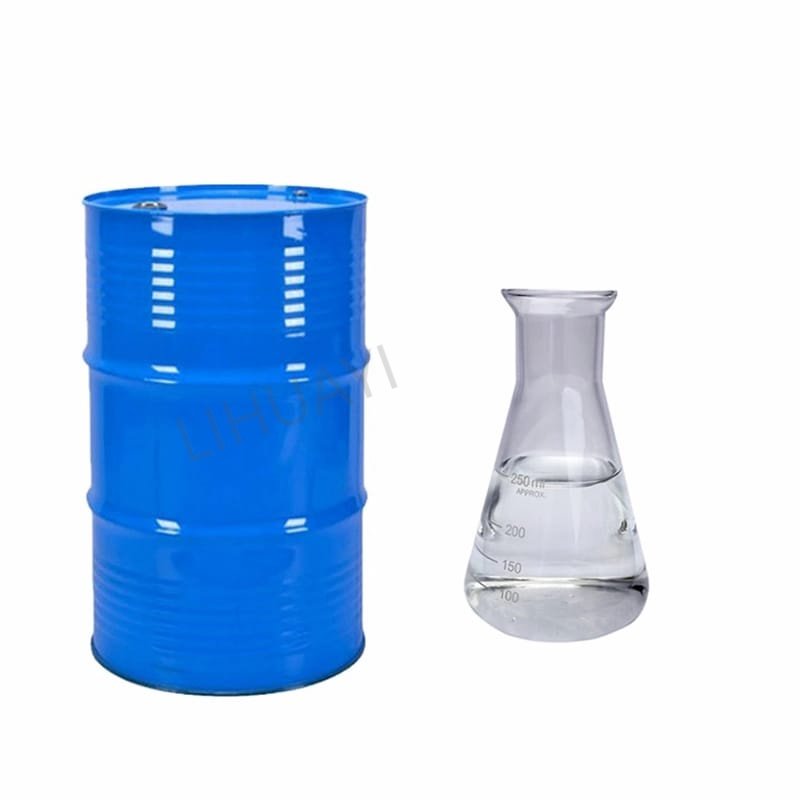
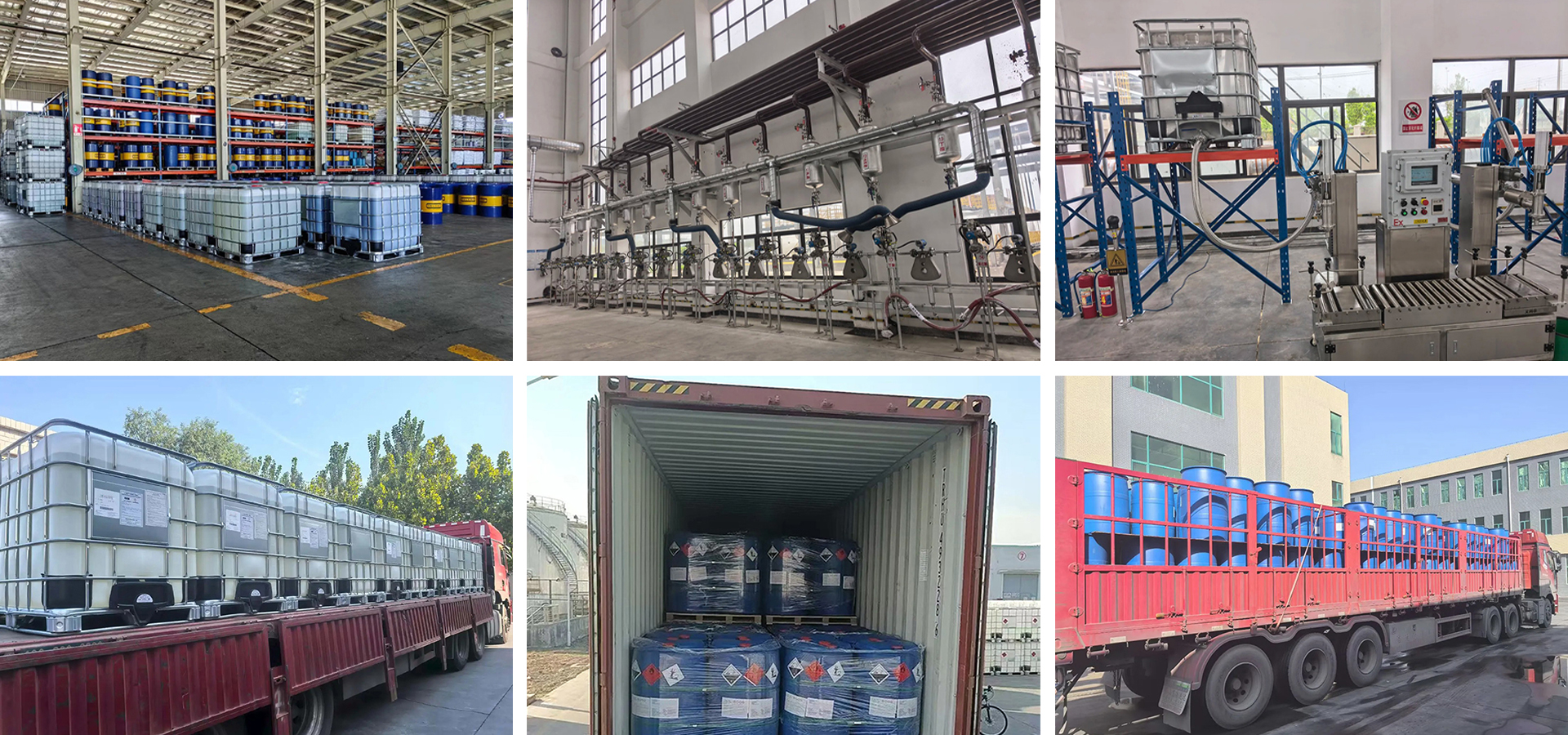
Shipped From the Factory
ABOUT THE PRODUCT
Contact Us
ABOUT US
Related Products