Essential Petrochemical Feedstock: A fundamental raw material for the production of synthetic fibers, synthetic rubber, plastics, and numerous industrial chemicals.
Wide Manufacturing Applications:Used in the synthesis of key products including polyethylene, polyvinyl chloride (PVC), vinyl chloride, styrene, ethylene oxide, acetic acid, acetaldehyde, and ethanol.
Plant Growth Regulation Function:Naturally acts as a plant hormone that promotes fruit ripening, leaf abscission, and regulates plant growth.
Excellent Chemical Processing Performance: Highly reactive olefin with good solubility in common organic solvents such as ether and acetone, making it suitable for a wide range of chemical synthesis processes.
Quality Assurance
Rigorous quality control and full regulatory compliance assured.
Sustainable Development
Sustainable processes cut waste, lower emissions, and save costs.
Specialty Solutions
Tailored fine chemicals that enhance efficiency and outcomes.
Chemical Manufacturer
A trusted manufacturer capable of stable, high-volume production and supply.

ABOUT THE PRODUCT
Product Description
Product Description-Ethylene CAS#74-85-1
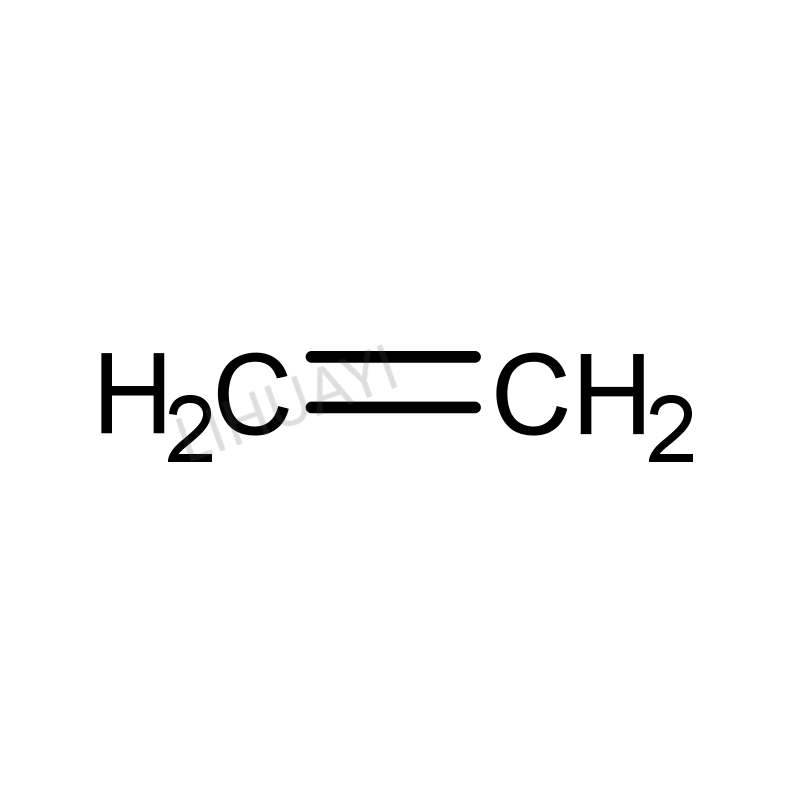
Ethylene (CH₂=CH₂) is the simplest olefin, with two carbon atoms joined by a double bond. It is a fundamental chemical feedstock for synthetic fibers, rubbers, plastics such as polyethylene and PVC, and synthetic ethanol, and a key intermediate for vinyl chloride, styrene, ethylene oxide, acetic acid, acetaldehyde, ethanol and explosives.
In plants it occurs naturally as a metabolic product that regulates growth by slowing development, promoting leaf abscission and accelerating fruit ripening.
At room temperature ethylene is a colorless, flammable gas (mp −169 °C, bp −103.7 °C). It is nearly insoluble in water, slightly soluble in ethanol, and readily soluble in ether and acetone.
Product Applications-Ethylene CAS#74-85-1
Ethylene is a cornerstone feedstock of the organic chemical and petrochemical industries. It is primarily used to make polyethylene, ethylene-propylene rubber and PVC, and is one of the industry's most important raw materials.
In synthetic materials it goes into polyethylene, vinyl chloride, PVC, ethylbenzene, styrene, polystyrene and ethylenepropylene rubber. In organic synthesis it serves as a feedstock for ethanol, ethylene oxide, ethylene glycol, acetaldehyde, acetic acid, propionaldehyde, propionic acid and its derivatives, along with many other essential intermediates.
ABOUT THE PRODUCT
Product Data
Chemical Properties-Ethylene CAS#74-85-1
ABOUT US
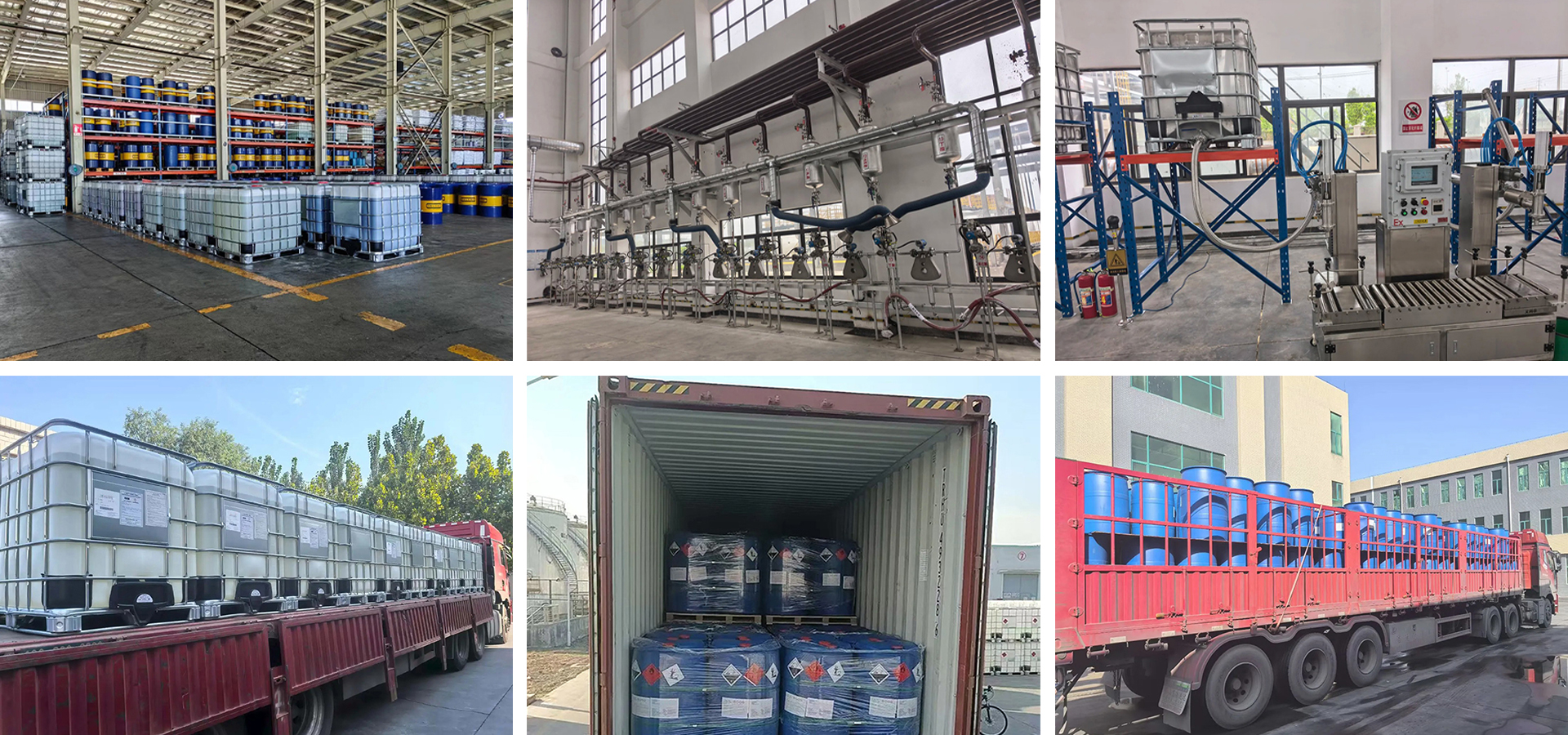
Shipped From the Factory
ABOUT THE PRODUCT
Contact Us
ABOUT US
Related Products