Strong Chemical Reactivity: Sodium Amide has highly active amino groups and strong basicity, making it an effective reagent for hydrolysis, amination, condensation, and other chemical reactions.
Versatile Organic Synthesis Applications: It is widely used as an aminating agent, condensation accelerator, dehydrating agent, dehalogenating agent, alkylating agent, and polymerization initiator in organic synthesis.
Important Industrial Intermediate: Sodium Amide serves as a key raw material for the production of valuable chemicals such as sodium cyanide, hydrazine, azides, cyanides, and indigo.
Broad Research and Manufacturing Utility: Due to its unique ionic structure and excellent reaction activity, Sodium Amide is widely applied in laboratory synthesis and industrial chemical processes.
Quality Assurance
Rigorous quality control and full regulatory compliance assured.
Sustainable Development
Sustainable processes cut waste, lower emissions, and save costs.
Specialty Solutions
Tailored fine chemicals that enhance efficiency and outcomes.
Chemical Manufacturer
A trusted manufacturer capable of stable, high-volume production and supply.

ABOUT THE PRODUCT
Product Description
Product Description-Sodium amide CAS#7782-92-5
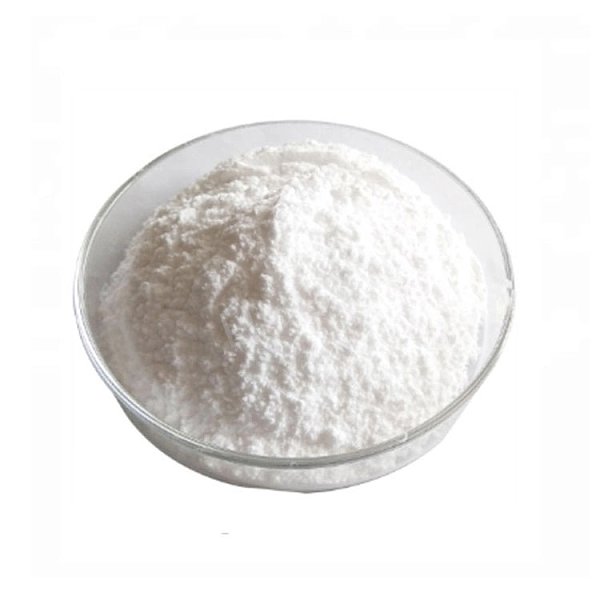
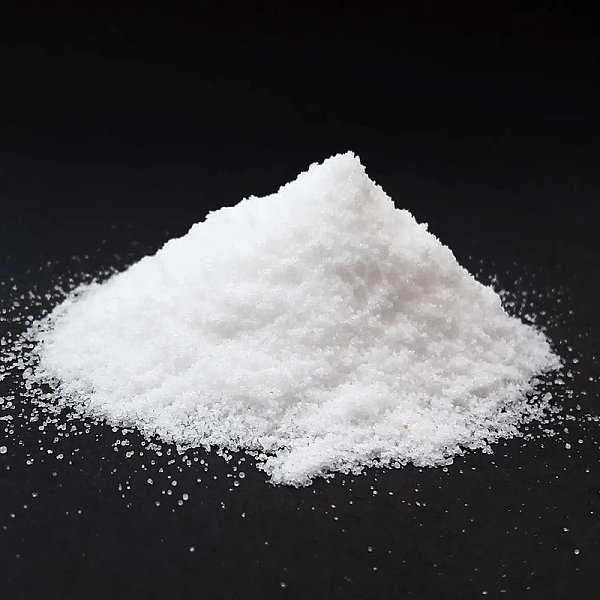
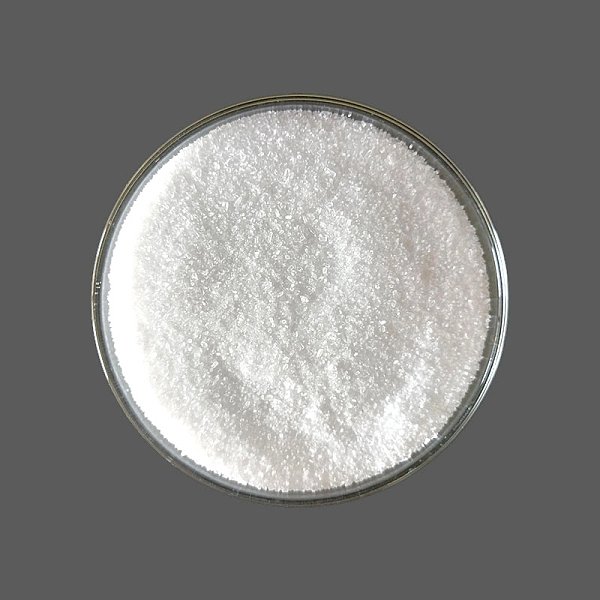
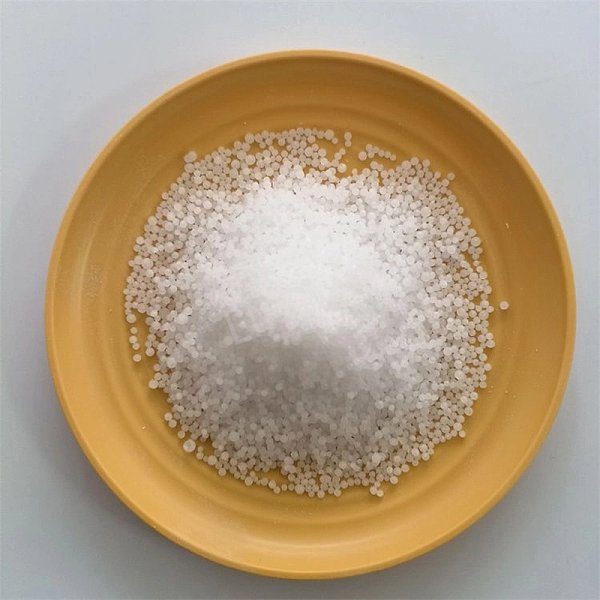
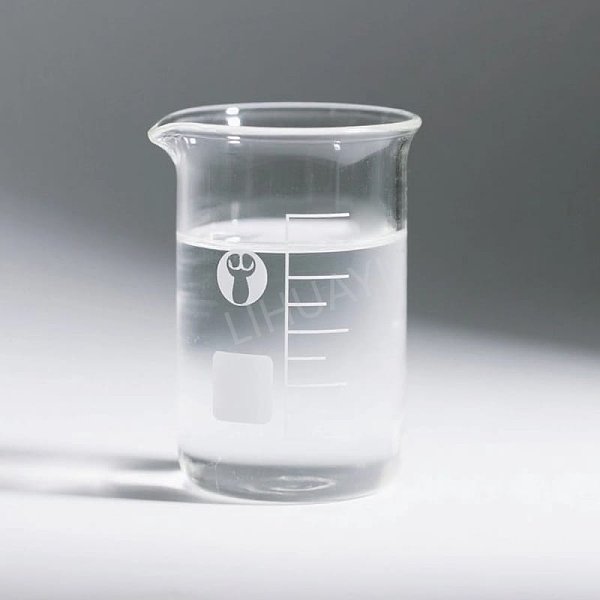
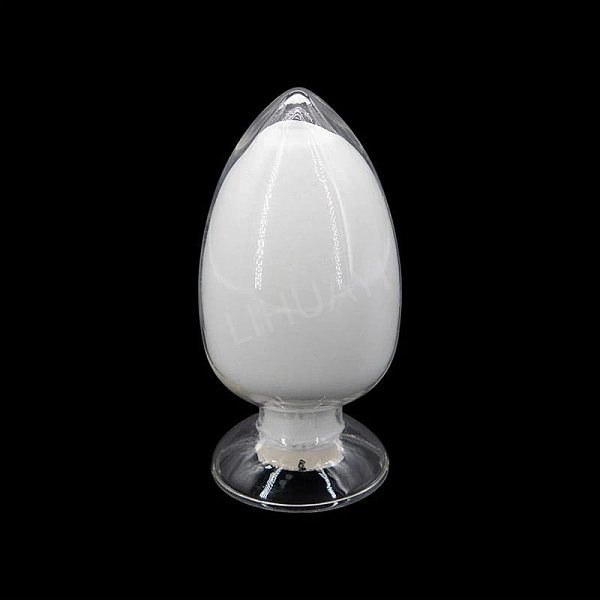
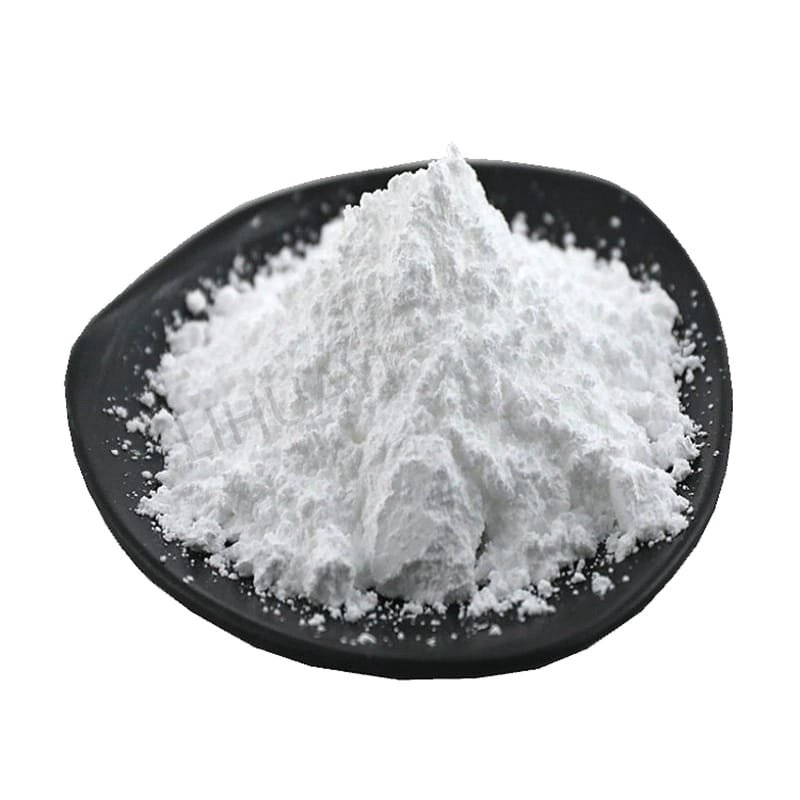
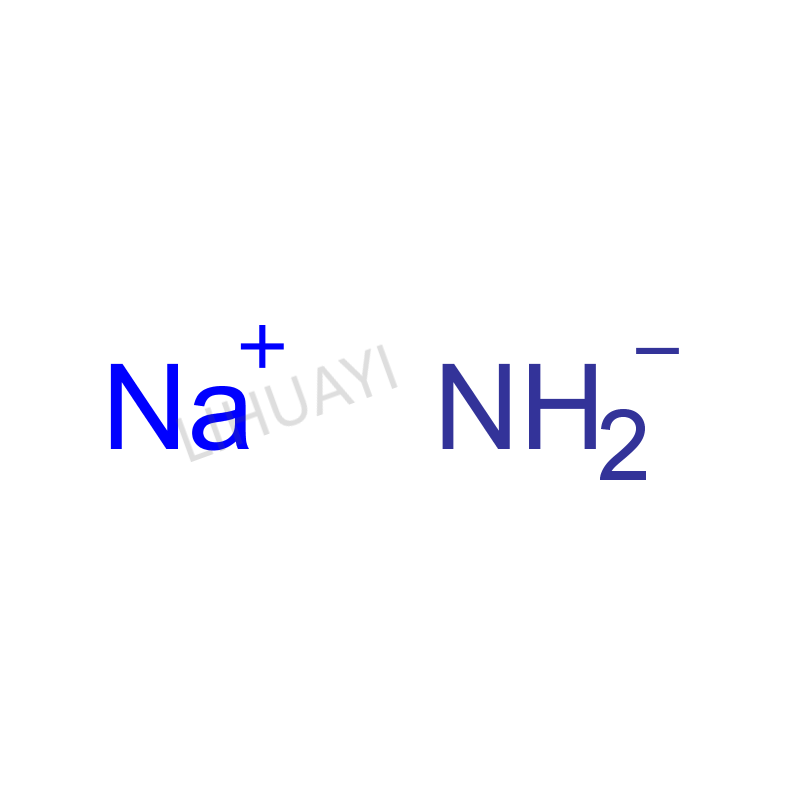
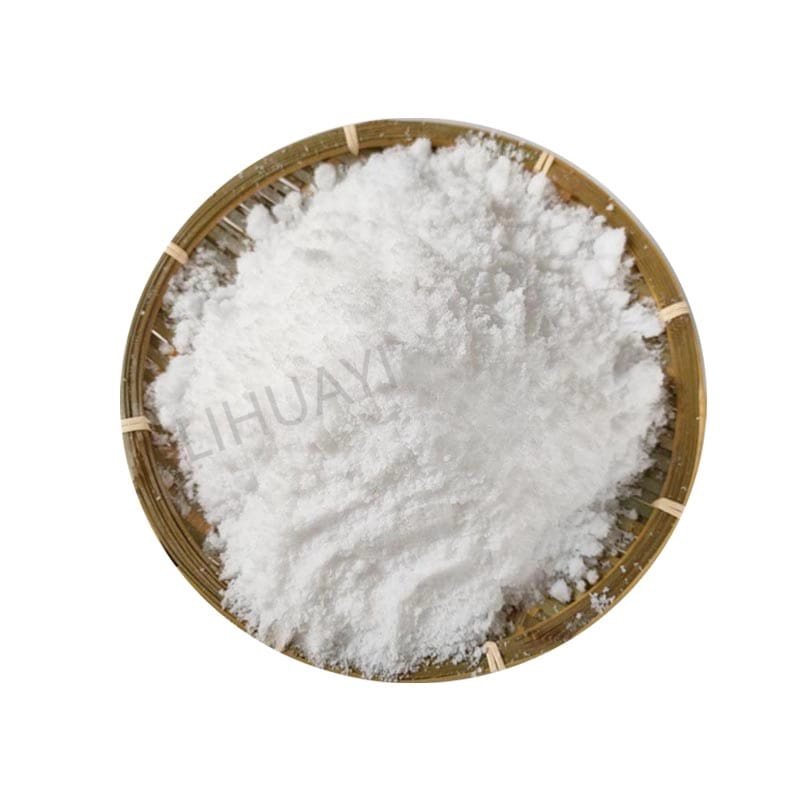
Sodium amide (NaNH₂) is a white to olive-green crystalline powder with an ammonia-like odor. It has a molecular weight of 39.01, melts at 210°C, and boils at 400°C. Above 500°C it decomposes into sodium, nitrogen, and hydrogen. It reacts violently with water to form sodium hydroxide and ammonia, and is slightly soluble in liquid ammonia.
It readily absorbs CO₂ and moisture from air, so sealed storage is required. Molten sodium amide can dissolve metals (Mg, Zn, Mo, W) and silicate materials like quartz and glass. As an ionic compound, it contains the strongly basic amide ion NH₂⁻, which hydrolyzes in water: NaNH₂ + H₂O → NaOH + NH₃.
Sodium amide is flammable, explosive, corrosive, and hygroscopic. Its toxic dust irritates the skin, eyes, and respiratory tract, and direct contact causes corrosive burns. Air exposure leads to oxidation, forming potentially explosive yellow products that can detonate from friction or heat. It must be stored under inert atmosphere, away from air, moisture, and ignition sources.
In organic synthesis, it serves as an aminating agent, condensation accelerator, dehydrating agent, dehalogenating agent, alkylating agent, and polymerization initiator. It is also a key raw material for hydrazine, sodium cyanide, azides, and indigo. Industrially, it is produced by reacting molten sodium with ammonia gas at 300–400°C. It also reacts with CO to form sodium cyanide, an important chemical intermediate.
Product Applications-Sodium amide CAS#7782-92-5
Sodium amide acts as a condensation accelerator in organic reactions and is a key raw material for synthesizing vitamin A. It is also widely used as a dehydrating, dehalogenating, alkylating, and aminating agent.
In liquid ammonia, it can release NH₄⁺ ions and initiate the anionic polymerization of polyvinyl chloride. Additionally, it is used in organic synthesis and pharmaceutical manufacturing to produce azides, cyanides, indigo, hydrazine, and other chemical intermediates.
ABOUT THE PRODUCT
Product Data
Chemical Properties-Sodium amide CAS#7782-92-5
ABOUT US
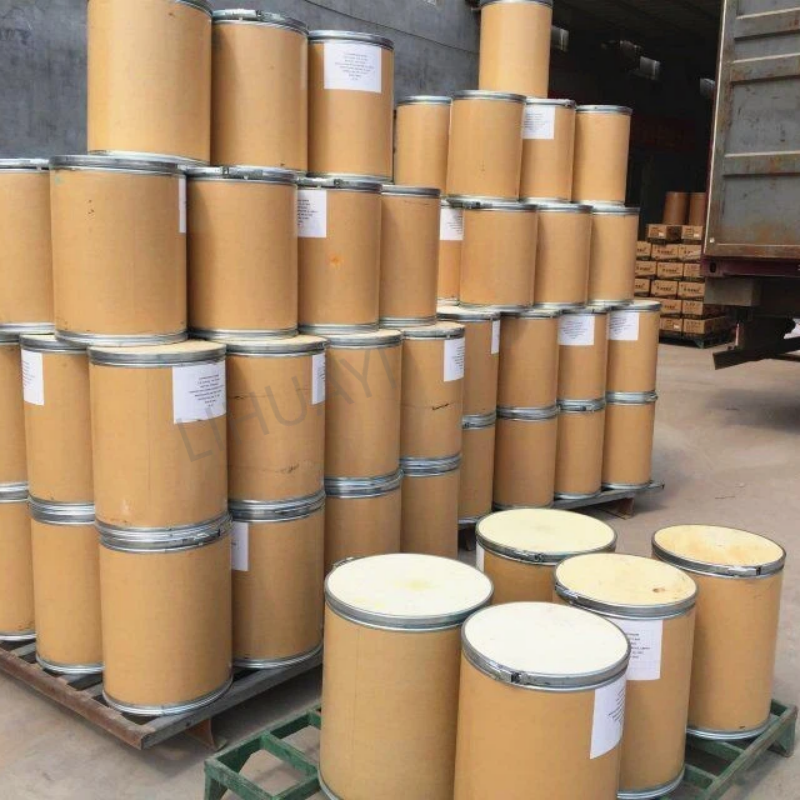
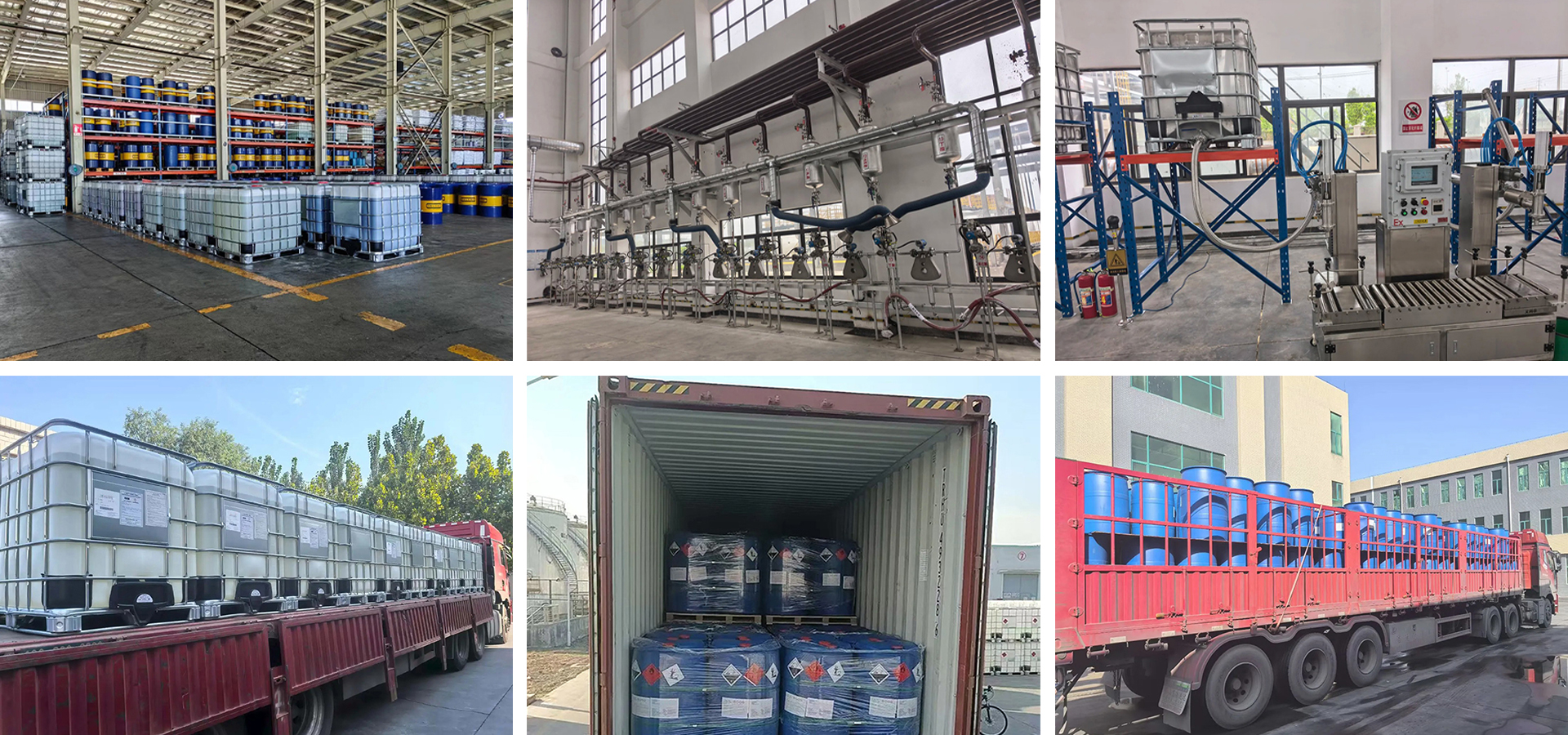
Shipped From the Factory
ABOUT THE PRODUCT
Contact Us
ABOUT US
Related Products