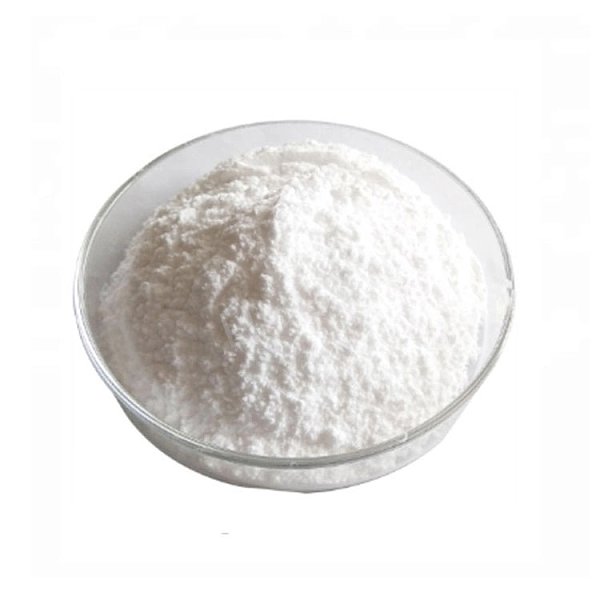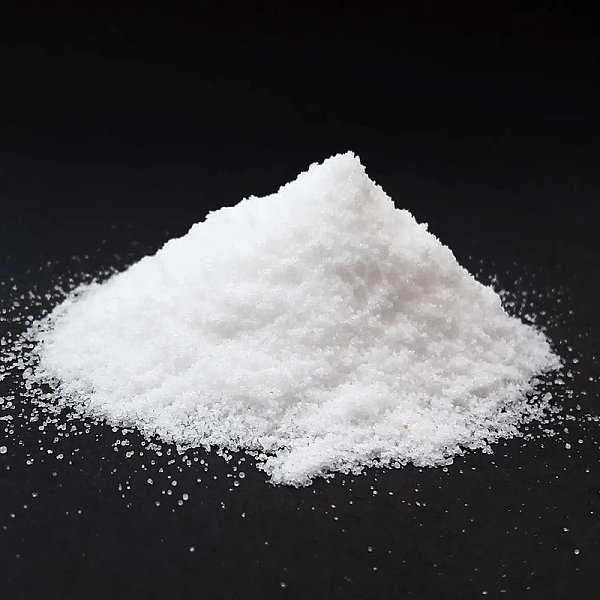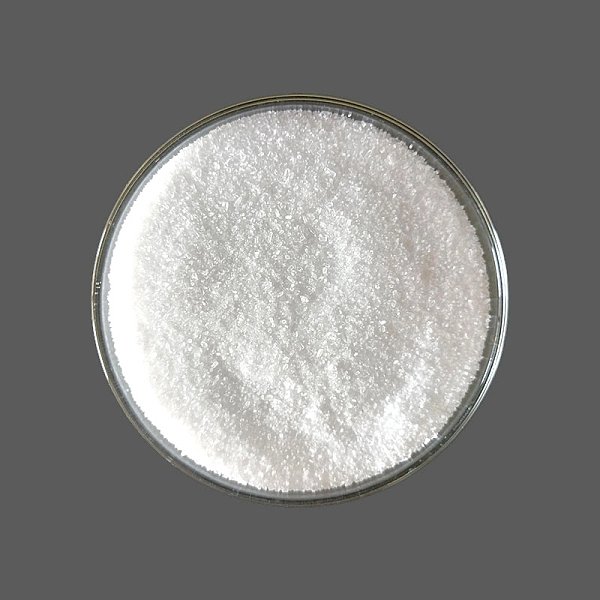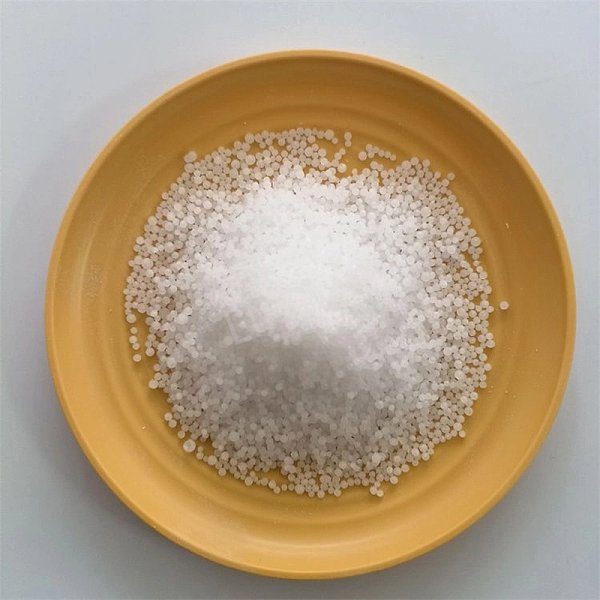
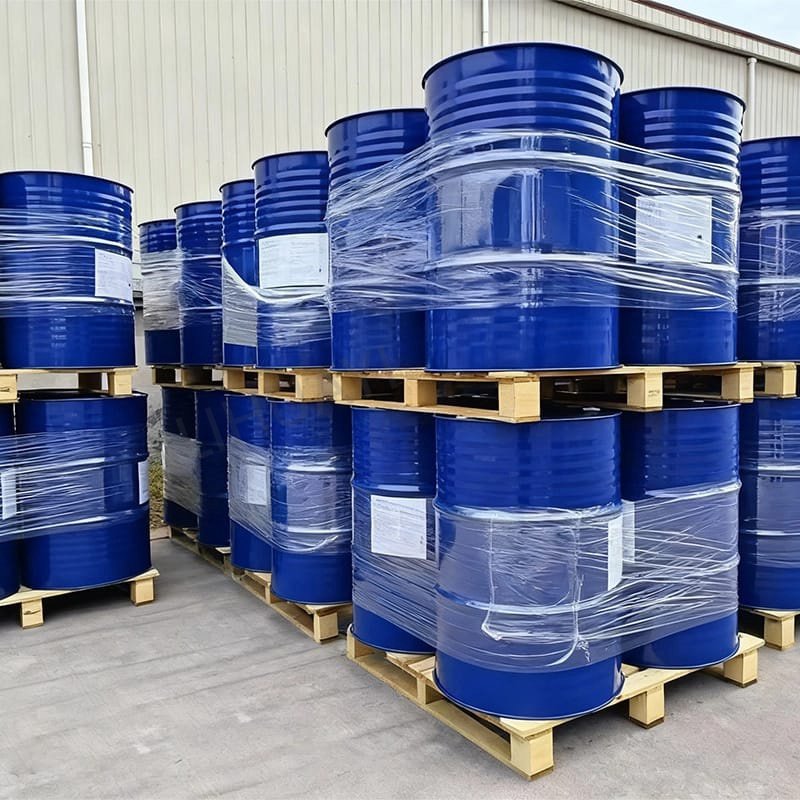
Versatile Chemical Reactivity: Aniline is an important aromatic amine with active amino groups, enabling various chemical reactions such as salt formation, alkylation, acylation, and diazotization.
Wide Range of Synthesis Applications: It serves as a key intermediate for producing benzene derivatives, azo compounds, dyes, and other fine chemical products.
Good Organic Solvent Compatibility: Aniline is soluble in ethanol, ether, chloroform, and other organic solvents, making it suitable for various organic synthesis processes.
Important Industrial Chemical Intermediate: As the simplest important aromatic amine, aniline is widely used in chemical manufacturing due to its stable structure and versatile application potential.
Quality Assurance
Rigorous quality control and full regulatory compliance assured.
Sustainable Development
Sustainable processes cut waste, lower emissions, and save costs.
Specialty Solutions
Tailored fine chemicals that enhance efficiency and outcomes.
Chemical Manufacturer
A trusted manufacturer capable of stable, high-volume production and supply.

ABOUT THE PRODUCT
Product Description
Product Description-Aniline CAS#62-53-3
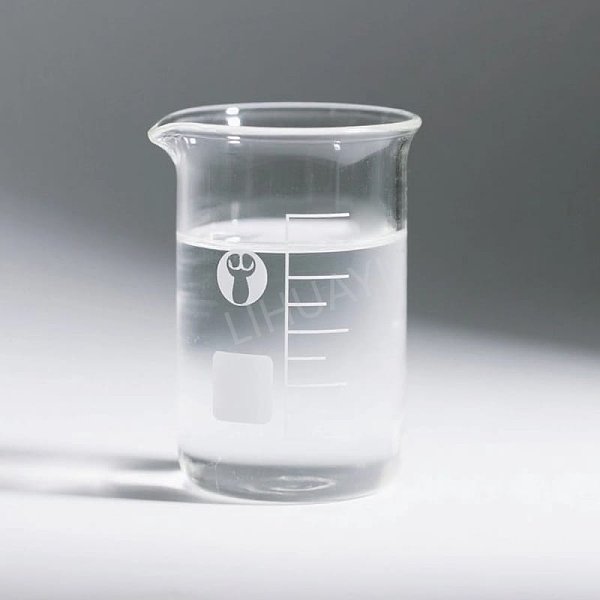
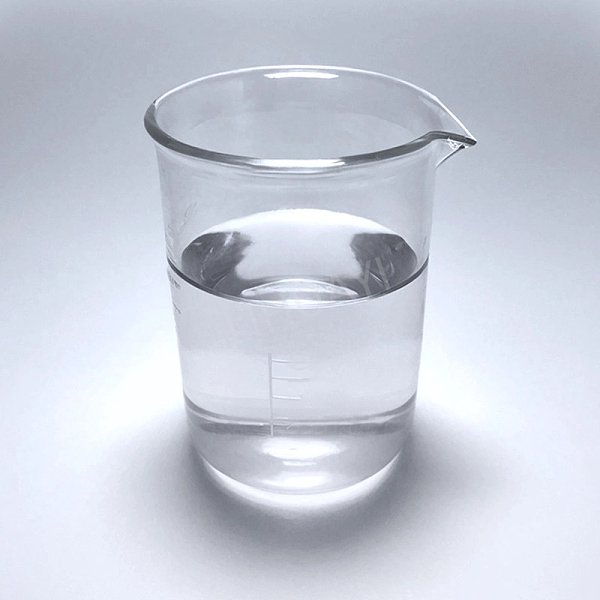
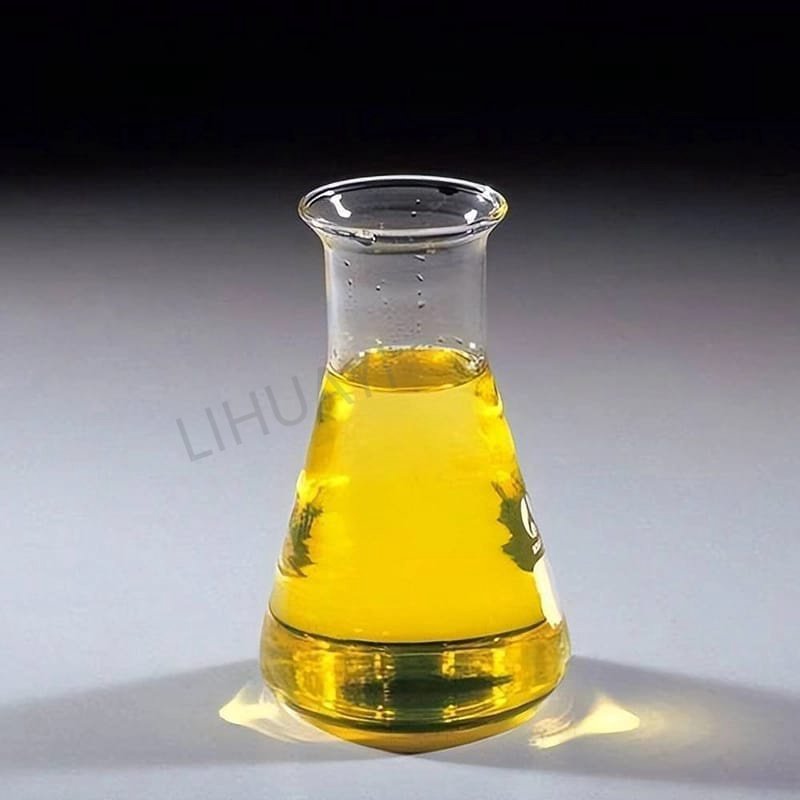
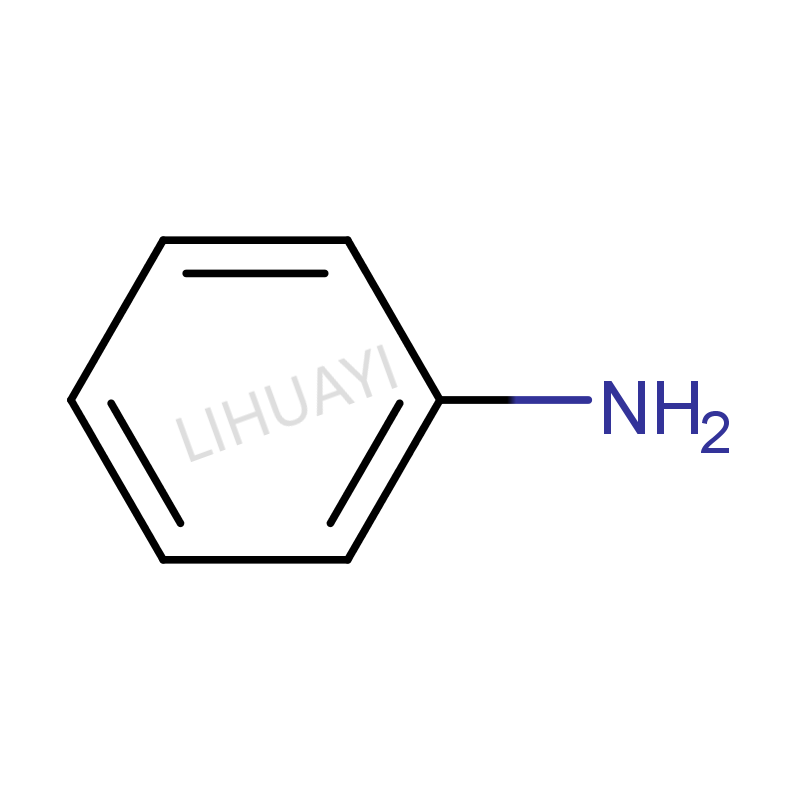
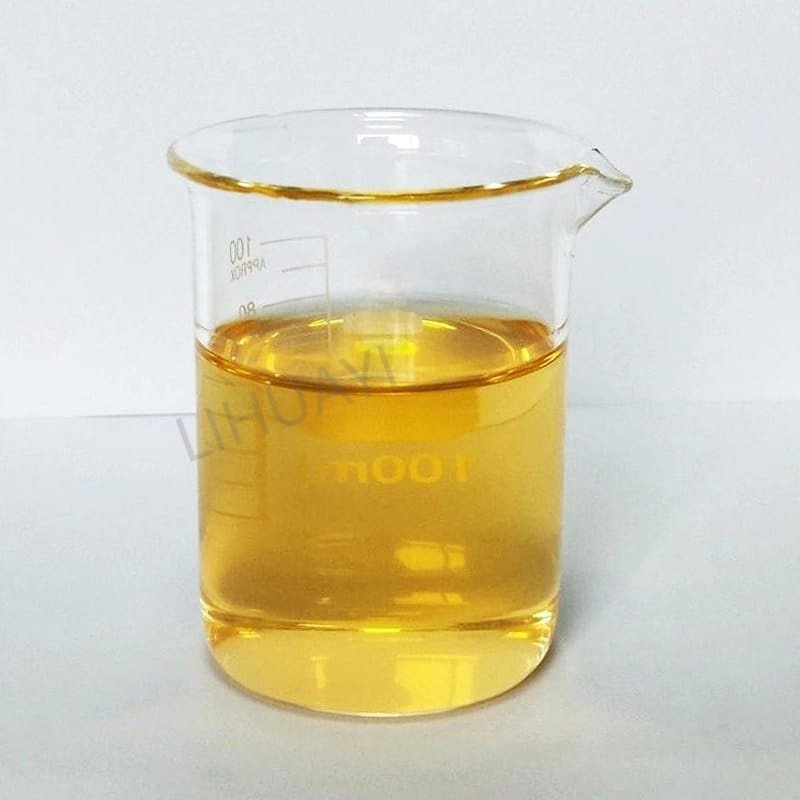
Aniline is the simplest and most important aromatic amine, formed by replacing one hydrogen atom in benzene with an amino group. It is a colorless, oily, flammable liquid with a strong odor.
Aniline is slightly soluble in water but readily dissolves in ethanol, ether, chloroform, and other organic solvents. It gradually turns brown when exposed to air or sunlight. It can be purified by steam distillation, with a small amount of zinc powder added to prevent oxidation; purified aniline may also be stabilized with 10–15 ppm NaBH₄. Its aqueous solution is alkaline.
Aniline easily reacts with acids to form salts. The hydrogen atoms on its amino group can be replaced by alkyl or acyl groups, yielding secondary/tertiary aniline derivatives and acyl anilines. Electrophilic substitution mainly produces ortho- and para-substituted products. Additionally, aniline reacts with nitrite to form diazonium salts, which are key intermediates for synthesizing various benzene derivatives and azo compounds.
Product Applications-Aniline CAS#62-53-3
Aniline has been a key industrial chemical for decades. Today, it is mainly used to produce polyurethanes and rubber products, with smaller volumes going into pesticides (herbicides, fungicides, insecticides, animal repellents), defoliants, dyes, antioxidants, antidegradants, and vulcanization accelerators. It is also found in some household products such as stove and shoe polishes, paints, varnishes, and marking inks.
ABOUT THE PRODUCT
Product Data
Chemical Properties-Aniline CAS#62-53-3
ABOUT US
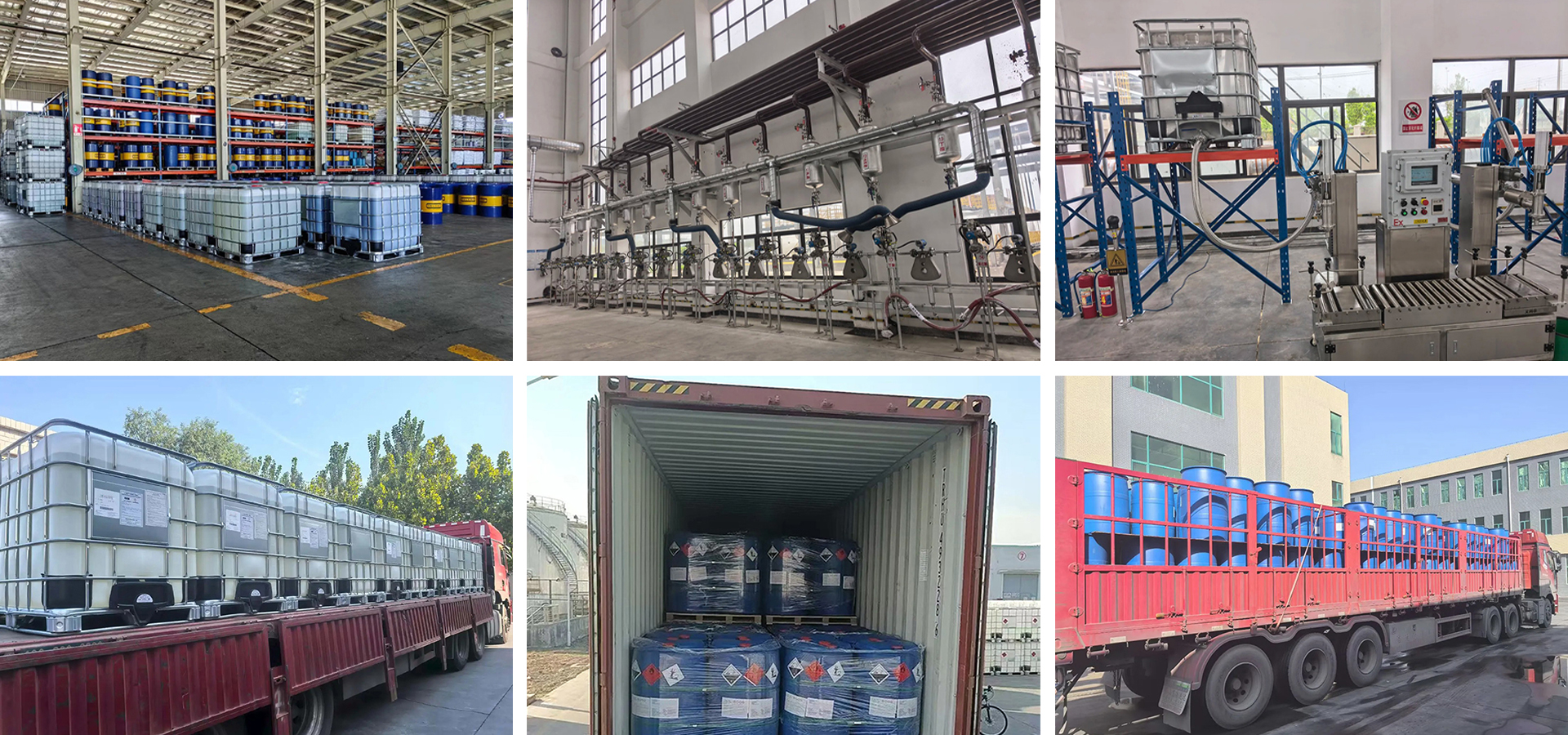
Shipped From the Factory
ABOUT THE PRODUCT
Contact Us
ABOUT US
Related Products